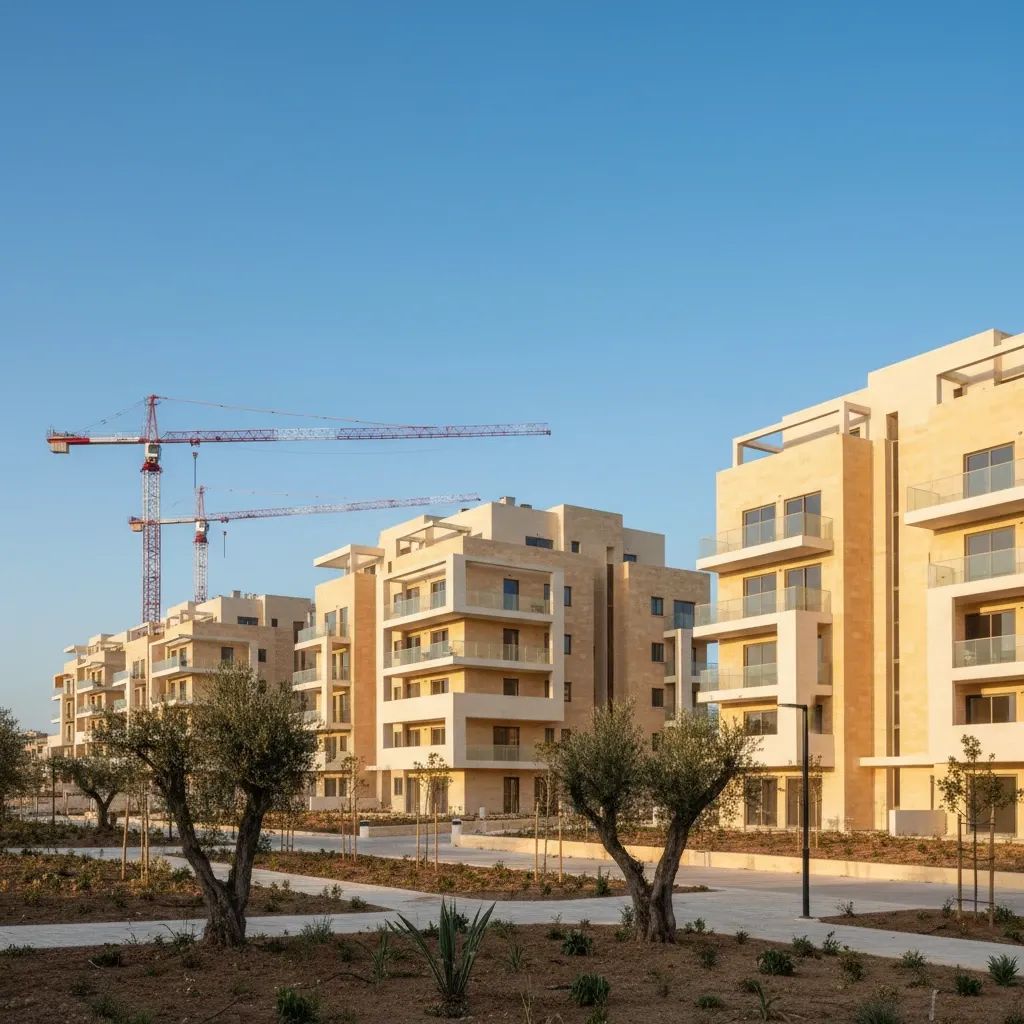
The Malta Housing Authority has widened its deposit-support scheme to cover loans of up to €250,000, a move that may help a slice of first-time buyers but leaves the underlying affordability gap largely untouched.
Why This Matters
• Price-to-income ratio keeps stretching: Property values have risen 59% since 2017, while wages climbed roughly half that pace.
• Bigger loans, same pay cheque: The typical mortgage taken out by under-35s jumped to €216,000 last year—32% higher than in 2021.
• Demand-side aid dominates: Budget 2026 extends grants and tax breaks yet offers only modest new construction aimed at affordability.
• Short-term rentals tighten supply: Thousands of flats are listed for tourists, reducing long-let options for residents.
How We Reached This Point
Malta’s growth model—built on imported labour and mass, low-cost tourism—has super-charged demand for housing. Population expanded by more than 25% in a decade, while the island’s finite land ensured supply could not keep up. Banks kept credit flowing in a low-interest era, and existing owners enjoyed paper gains. The result: today’s newcomers confront prices their salaries cannot justify.
Government’s 2026 Toolkit
The Finance Ministry insists the market is “stable”, pointing to IMF language that stops short of calling prices overvalued. Even so, fresh measures were slotted into the latest Budget:
Permanent €1,000 annual grant toward mortgage repayments for first-time buyers.
Equity-sharing scheme now open to applicants as young as 25 and separated individuals purchasing up to €350,000.
Partnership with the Archdiocese of Malta to build 260 units priced 30% below market.
Ongoing rollout of 752 social apartments by Malita Investments, partly backed by the European Investment Bank.
Critics argue that pumping more cash into buyers’ pockets in a tight market can backfire by bidding up prices further. Supply-side moves, while welcome, remain small relative to annual demand.
Voices from the Market
• The Central Bank of Malta says systemic risk is low; banks could weather a severe downturn.• Independent economists counter that the bigger threat is social: home ownership is tilting toward those with parental help, eroding social mobility.• The Malta Development Association claims robust sales prove fundamentals are sound, citing quick turnarounds on well-priced homes in Sliema, Naxxar and Żabbar.• Tenant groups point to a 7.5% jump in registered rental contracts year-on-year but complain new rules on minimum room sizes are rarely enforced.
What This Means for Residents
First-time buyers should budget for higher deposits despite state support; lenders still expect 10% equity plus fees.
Renters can expect further pressure during summer as short-let conversions peak; locking in multi-year contracts early in the year may save money.
Owners of vacant property face a potential “vacancy charge” now under study—renovate or lease it out before penalties bite.
Employees in essential services—teachers, nurses, police—are increasingly opting for Gozo or fringe villages and commuting, shaving up to 20% off monthly housing costs.
What Malta Can Learn From Similar Islands
Other small, tourist-heavy EU states are taking bolder steps:
• Croatia taxes short-term lets more aggressively and makes 80% of apartment-block residents sign off before a flat can go on Airbnb.
• Portugal offers tax breaks exclusively for owner-occupiers under 35 and caps new holiday-let licences in saturated zones.
• Cyprus doubled property tax on homes left empty for more than 18 months.
Adopting a version of these policies—especially tighter control of holiday rentals and levies on empty units—could free up hundreds of dwellings without pouring new concrete.
The Road Ahead
The IMF has warned that Malta’s labour-intensive growth model is reaching its limits. Unless productivity picks up, the island may be forced to keep importing workers, perpetuating demand that its housing stock cannot absorb. Policymakers face a choice: continue patching over symptoms with grants, or redesign the economic engine to ease the pressure at its source. For residents caught in the middle, every month of delay is another month when the dream of an affordable home drifts further out of reach.