
Why This Matters
• A suspended assistant head from a Birkirkara school faces three years' probation and mandatory treatment after admitting to theft from colleagues over five days in late November.
• Public officials convicted of misappropriation under Malta's Criminal Code face imprisonment of seven months to two years—but courts exercise discretion when remorse and mitigating factors are present.
• The incident exposes vulnerabilities in Maltese schools' internal security systems, where staff misconduct often goes undetected until a colleague physically intervenes.
The Discovery
Late November brought an unwelcome pattern to a Birkirkara school. Staff members returned to find cash missing from their handbags and wallets—repeatedly over five consecutive days. The amounts were small enough to seem accidental at first; the problem only became clear when multiple colleagues compared notes.
The Malta Police investigation began after another assistant head formally reported the incidents to Police Inspector Italo Mizzi. By November 28, the reporting assistant head had moved beyond observation into direct action, catching the colleague red-handed taking money. Within hours, the school principal had summoned the accused, though a full confession wouldn't emerge until weeks later in December.
The defendant, identified only as a Birkirkara resident under court protection orders, appeared before Magistrate Donatella Frendo Dimech on Thursday. Rather than contest the charges, she pleaded guilty immediately to aggravated theft by a public official—a critical legal distinction that elevated the offense beyond simple shoplifting into territory involving breach of institutional trust.
The Legal Framework and What It Means
Malta treats theft by public officials as categorically different from ordinary crime. The Criminal Code establishes automatic prosecution ("ex officio") under Articles 293 and 294 when someone in an official position misappropriates money or property entrusted to them. Standard punishment ranges from seven months to two years imprisonment. More serious embezzlement charges—under Article 127—carry two to six years plus perpetual general interdiction, meaning permanent disqualification from any public sector employment.
Yet the actual sentence imposed matters as much as the legal framework. Magistrate Frendo Dimech handed down a three-year probation order alongside a three-year treatment order, stopping short of custodial time. This measured response reflects judicial discretion: the defendant's immediate guilty plea, apparent remorse, and underlying circumstances warranting treatment intervention all factored into sentencing calculations.
Historical precedent shows this isn't uniform. In 2020, a former Identity Malta official convicted of misappropriation received four years' imprisonment and was ordered to repay €44,400. A 2025 corruption case resulted in a suspended sentence and five-year general interdiction for a public officer who admitted wrongdoing. The difference between imprisonment and probation often pivots on whether courts perceive genuine rehabilitation potential or ingrained corruption.
Why Personal Belongings Need Protection in Schools
The Birkirkara incident took five days to surface, and only because one colleague happened to observe the perpetrator in action. This reveals a practical security gap: most Maltese schools lack systematic mechanisms for protecting staff personal belongings.
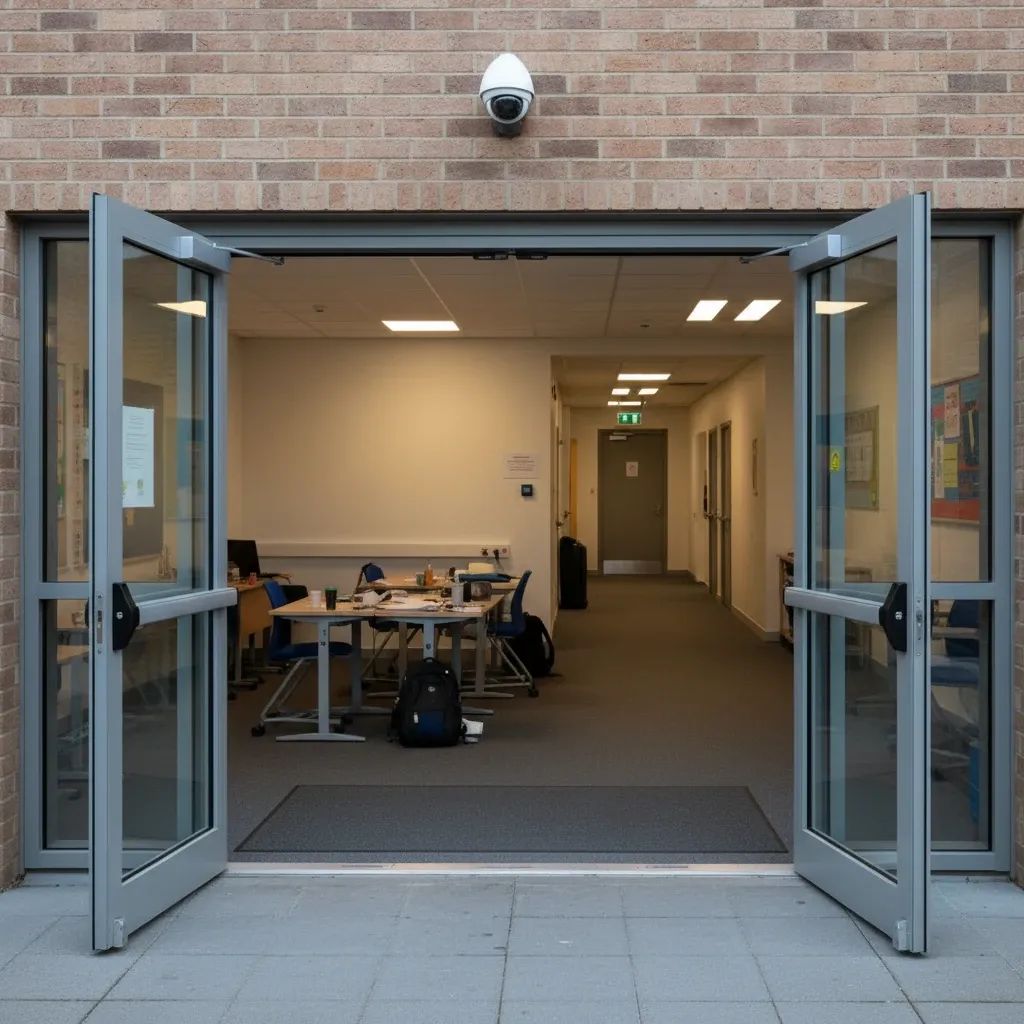
Schools across Malta typically implement basic security measures: access control via keys and visitor logs, CCTV at entrances and parking areas, motion-activated lighting, and alarm systems. Staff personal belongings, however, occupy a gray zone. Few schools maintain dedicated secure lockers or monitored areas. Most staff members leave handbags and wallets in offices, staffrooms, and desk areas where colleagues pass daily.
Best practice would mandate secure storage for staff personal items, surveillance in staff-only areas, and transparent reporting channels protecting whistleblowers. The Malta Union of Teachers secured agreement in 2024 for a comprehensive review of school security protocols—a response to decades of advocacy—yet this focus has centered on perimeter security and external threats rather than internal misconduct.
What School Professionals Need to Know
The sentence in this case carries a cautionary message. While the defendant received probation rather than imprisonment, the consequences remain severe: suspension from work, mandatory psychological treatment, three years of monitoring, and permanent criminal record in a profession where trustworthiness is foundational.
For colleagues of the accused, the case illustrates that detection often depends on vigilance and willingness to report. The assistant head who caught the perpetrator red-handed didn't ignore suspicious activity; she reported it formally, triggering the investigation that led to confession and prosecution.
For school administrators, the case should prompt practical action: implement secure storage for staff personal belongings, install surveillance systems in non-classroom staff areas, and establish anonymous reporting mechanisms that protect workers who voice concerns. The €300 stolen pales beside the institutional demoralization caused by betrayal from within leadership structures.
For policymakers, the precedent suggests that while the Criminal Code provides teeth for prosecution, preventative infrastructure remains underdeveloped. Schools operate complex financial systems—petty cash for events, charitable collections, lunch money, equipment purchases—yet most lack the internal controls that private sector best practice demands. Upgrading institutional capacity to detect and deter internal theft would require investment in systems and training, but the reputational and financial costs of continued vulnerability justify the expense.
Malta's education system employs thousands of professionals who honor their positions daily. The absence of robust prevention frameworks, however, creates unnecessary vulnerability that contradicts the professional workplace security every educator deserves.


