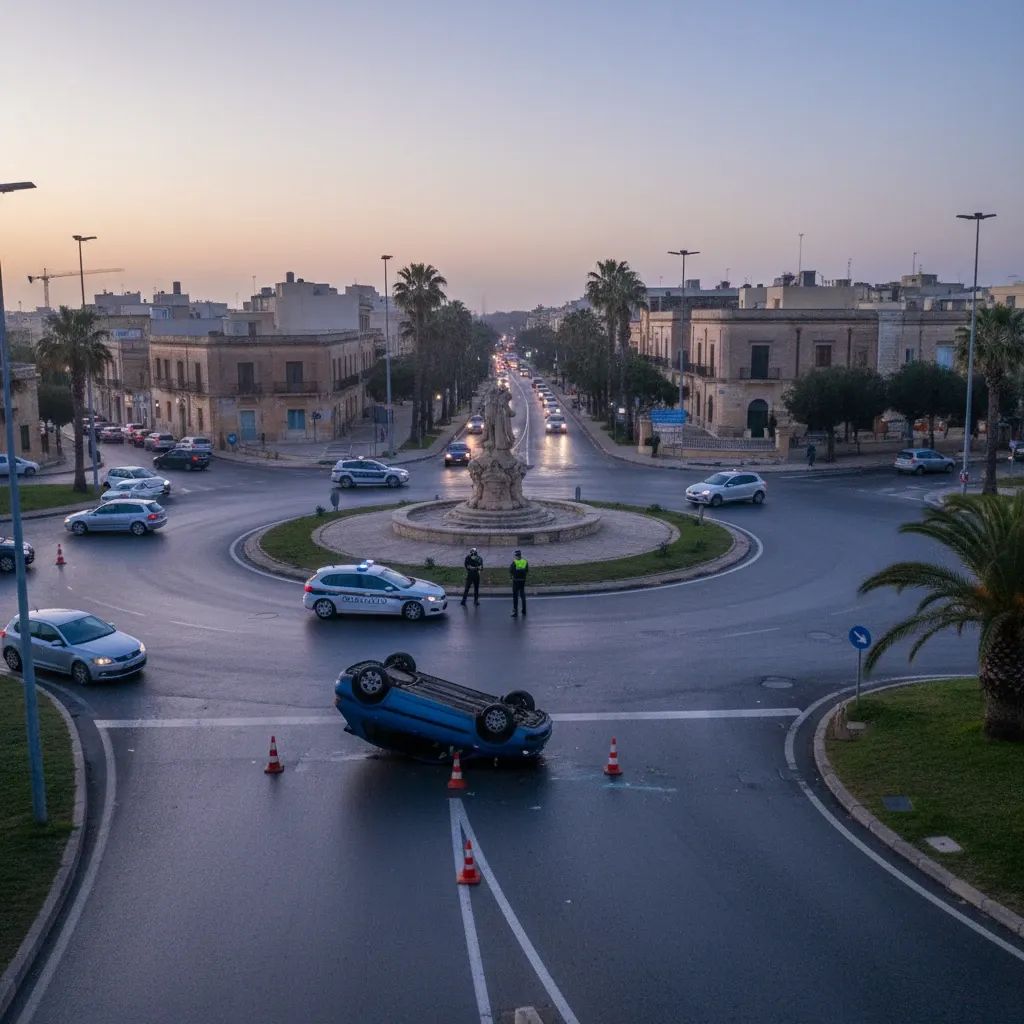
The Malta Police Traffic Division has confirmed that an early-morning crash on Triq l-Mdina left a 35-year-old Rabat woman with grievous injuries, a development that is likely to intensify pressure on authorities to reassess the Central Link roundabout designs.
Why This Matters
• Morning commuters on the Attard–Rabat corridor should expect intermittent lane closures while investigators map skid marks and inspect guard-rails.
• Insurance claims for single-vehicle rollovers now routinely attract a 10–15% surcharge; drivers using the route may want to review their policies.
• Cyclists and pedestrians could see temporary diversions as Transport Malta evaluates whether additional bollards or painted buffer zones are needed.
• Policy review window: Infrastructure Malta is already due to publish its next road-safety audit in April; Monday’s crash gives citizen groups new leverage to demand design tweaks.
How the Crash Unfolded
Witness statements collected just after 5 a.m. indicate the driver’s Ford Fiesta overturned while navigating the three-lane roundabout that funnels traffic toward Attard. First responders from the Rapid Intervention Unit administered on-site triage before transferring the woman to Mater Dei Hospital. Doctors later classified her condition as grievous, specifying multiple fractures but no life-threatening head trauma.
Police & Forensic Follow-Up
Investigators are running a full mechanical inspection on the vehicle’s steering and suspension systems. Dash-cam footage from a trailing delivery van is also being analysed to establish whether excess speed or lane confusion played a decisive role. The final accident report—usually published within 30 days—will feed into Transport Malta’s national collision database, which guides funding for remedial works.
Why Central Link Roundabouts Keep Drawing Criticism
The Central Link Project was sold as a congestion-buster, yet every serious incident sparks familiar questions about its multi-lane roundabouts. Cycling advocates argue that the outer-rim bike lanes force riders into motorists’ blind spots, violating the spirit of the Valletta Declaration on road safety. Meanwhile, the Road Safety Council counters that the geometry meets international norms and that what Malta really lacks is "driver courtesy at merge points." Monday’s rollover adds anecdotal fuel to both sides.
What This Means for Residents
• Drivers: Expect stepped-up traffic-branch patrols and possible spot checks on tyre tread depth—an item frequently blamed for losing grip on the polished asphalt used in the new junctions.
• Homeowners along Triq l-Mdina: Noise barriers could arrive sooner than budgeted if Infrastructure Malta decides to fast-track mitigation works in response to community pressure.
• Cyclists: Temporary signage may divert you onto side roads while any kerb realignments or line repainting takes place. Factor an extra 5–10 minutes into your commute.
• Investors in roadside retail: A safer, smoother flow typically boosts foot traffic. However, prolonged investigative closures could dampen sales in the short term.
Looking Ahead: Fixes on the Table
Re-striping inner lanes to narrow the car track and psychologically slow drivers entering the roundabouts.
Installing rumble strips before each splitter island to alert inattentive motorists.
Piloting a Dutch-style "protected intersection" layout for cyclists—already endorsed by the Bicycle Advocacy Group but yet to be tested on a primary artery in Malta.
Infrastructure Malta says its April audit will determine which of these ideas, if any, are feasible without ripping up recently laid asphalt. For now, commuters are asked to keep speeds down, follow temporary detours, and watch for vulnerable road users while the crash investigation and design debate play out.