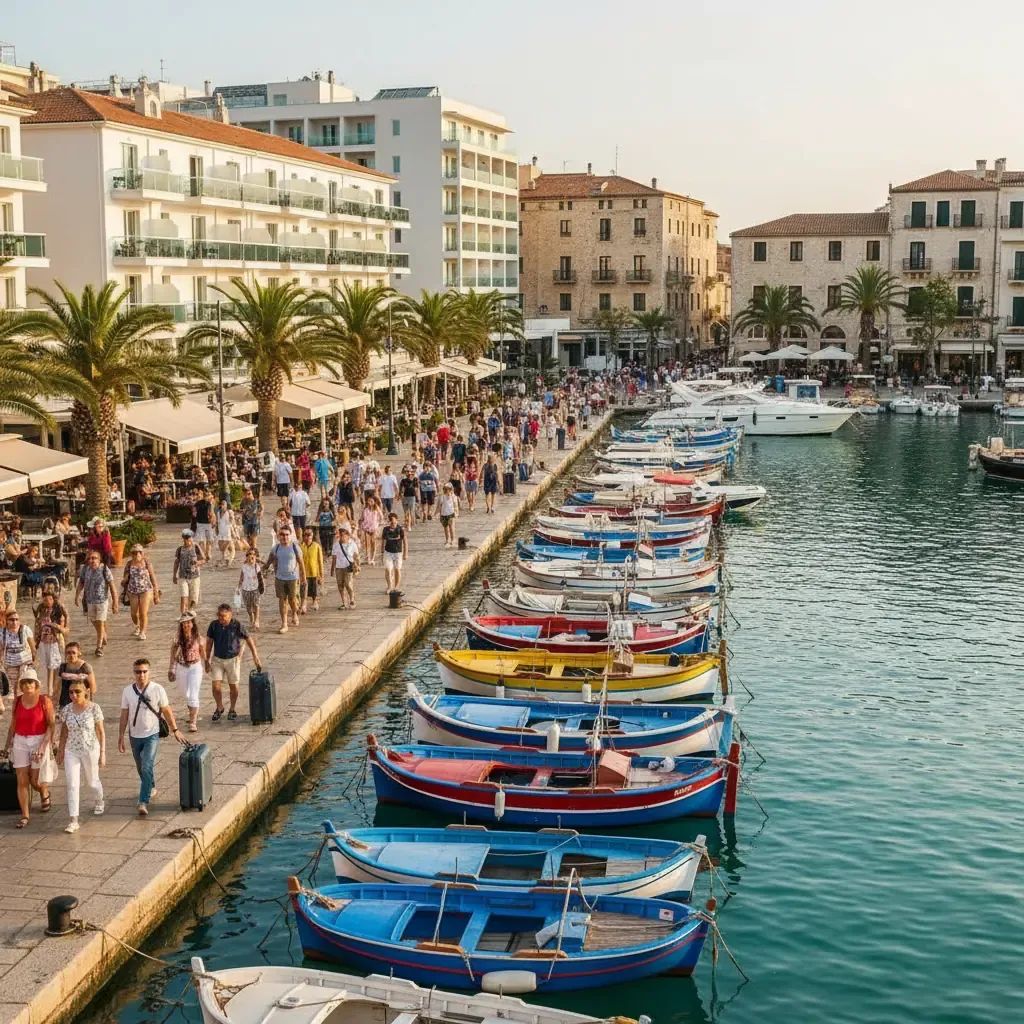
The Commissioner for Animal Welfare in Malta has ruled out the presence of a roaming big cat in Cottonera, a decision that calms neighbourhood fears but puts the spotlight back on the island’s booming—and sometimes illicit—exotic pet trade.
Why This Matters
• No confirmed danger: Police logged zero official sightings, easing immediate safety concerns for families in Cospicua, Senglea and Birgu.
• Enforcement spotlight: The episode revives debate over Malta’s loose monitoring of dangerous animals, just one year after an amnesty revealed nearly 100 unregistered big cats.
• Legal fines are steep: Keeping an unregistered leopard or puma can cost owners €8,000–€15,000 per animal, plus jail time on repeat offences.
• What to do next: Residents who spot an unusual animal should call Animal Welfare (1717) or the Environment & Resources Authority (2292 3500)—not post unverified photos online.
Where the Rumour Began
A single Facebook post last weekend claimed that a “black panther” leapt from a rooftop in Cospicua and vanished into the night. Within hours, screenshots ricocheted across local WhatsApp groups, prompting parents to keep children indoors and pet owners to cut evening walks short. By Monday morning, Cottonera was bracing for a predator that, it now appears, never existed.
How Authorities Responded
Malta Police Headquarters confirmed to Times of Malta that no formal reports or CCTV evidence back the social-media chatter. The Commissioner’s office separately phoned the individuals behind the viral claims and found “inconsistent details,” according to an internal note seen by this newsroom. The information was nonetheless passed to the Directorate of Animal Welfare for a precautionary sweep of the area. No pawprints, shed fur, or eyewitness accounts surfaced.
Exotic Pets: A Growing, Quiet Problem
Social-media panic may feel outlandish, but it emerges against a credible backdrop. Last year’s 90-day registration amnesty uncovered 13 tigers, 10 lions and 5 leopards living in private Maltese hands. One contractor alone admitted to housing two black leopards in a Gozo farmhouse after a dog-bite incident exposed his menagerie. Activists fear many more animals slipped through the net because owners did not volunteer information.
Veterinarian Dr Andrew Agius notes that Malta’s mild climate, seafaring links and patchy inspections make it “Europe’s soft underbelly for traders looking to park big cats.” The smaller the island, he argues, the bigger the public-safety stakes: an escaped jaguar could cross three localities in the time it takes police to confirm a call.
The Regulatory Gap—and What Might Change
Malta banned private ownership of dangerous species in 2016 unless the animals sit inside a licensed zoo, yet enforcement remained complaint-driven until recently. Under the 2025 reforms:
Owners had 90 days to declare and microchip dangerous animals.
Declared animals must be neutered within 6 months unless exempted.
A certificate of competence is now mandatory.
Fines jump to €15,000 and possible imprisonment for second-time offenders.
Environmental NGOs are lobbying for a “positive list”—spelling out which species are explicitly allowed—arguing that a clear white list is simpler to police than banning species piecemeal.
What This Means for Residents
• Lower immediate risk: Cottonera parents can safely resume outdoor routines; schools have not upgraded security.
• Stay alert, not alarmist: Post only verifiable photos or video and call emergency lines first. False alarms stretch the already thin resources of the Animal Welfare Directorate.
• Keep records: If you rent property with roof access, consider installing a motion-sensor camera; footage expedites any real investigation and helps insurers decide claims.
• Know the law: Anyone harbouring an unregistered exotic animal in a basement or back yard faces seizure, fines and a criminal record. Neighbours can file anonymous tips via the Commissioner’s portal.
Expert View: How to Tell House Cat from Big Cat
Wildlife rehabilitator Maria Debono offers three quick visual cues:
• Tail thickness: Big cats sport a thick, cylindrical tail; feral domestic cats do not.
• Shoulder height: Anything higher than a mid-calf on an adult human is suspect.
• Walking style: Large felines move with a low, deliberate shoulder roll; domestic cats bounce lightly. When in doubt, keep distance and call 1717.
The Bottom Line
Cottonera’s “panther scare” fizzled, but the real takeaway is less about one phantom feline and more about Malta’s uneasy coexistence with an underground zoo culture. Until stronger licensing and routine inspections take hold, every unverified Facebook post will keep testing the nation’s fragile trust in its animal-welfare system—and in the laws designed to protect both residents and wildlife.