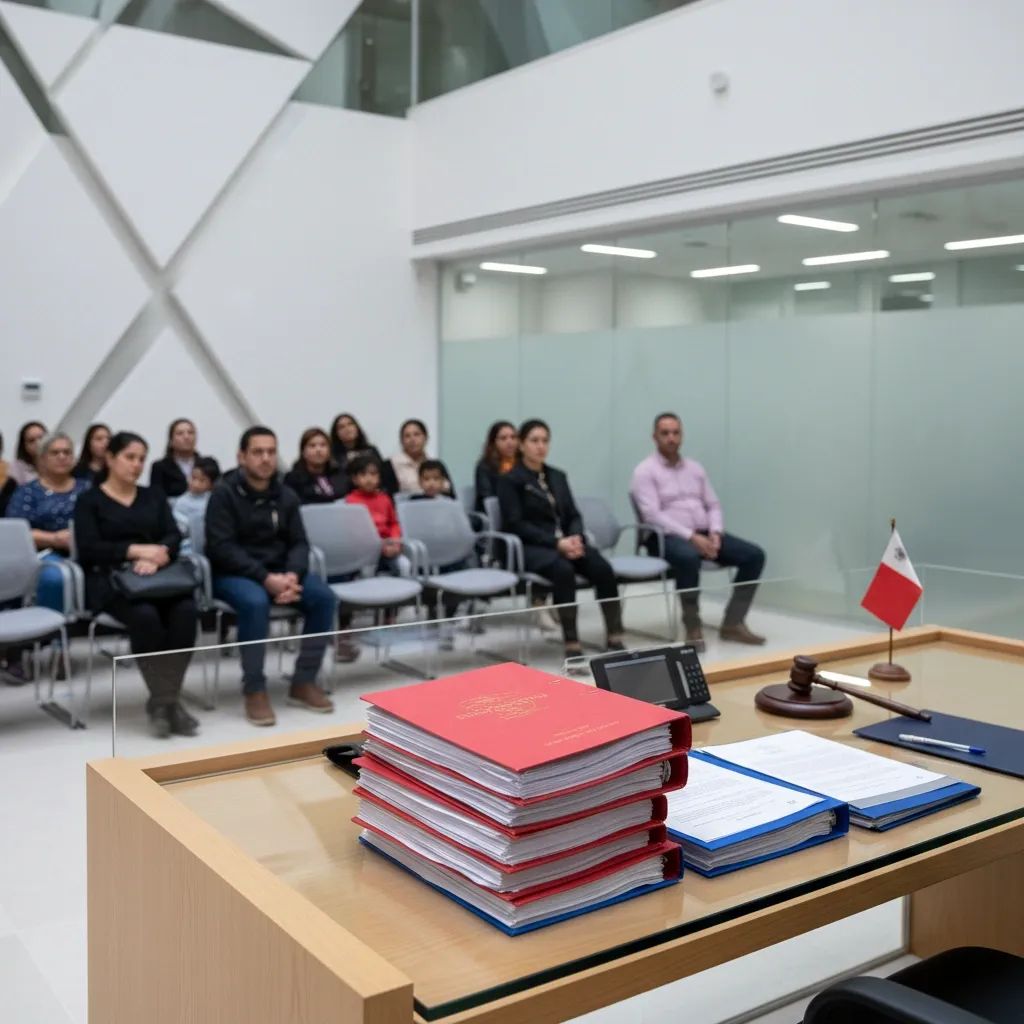
The Malta Magistrates’ Court has ordered a 25-year-old Fgura man into psychiatric detention after police said he assaulted his mother, a move likely to shape how judges balance victims’ safety with the accused’s mental-health rights.
Why This Matters
• Immediate psychiatric remand signals courts are leaning on Mount Carmel Hospital’s forensic ward rather than bail when the alleged abuser still lives with the victim.
• Publication ban protects the family’s identity, but also means neighbours may not realise why police are present – a reminder to report noise or violence even without names.
• Parents aged 50+ now comprise 1 in 4 domestic-violence service users, according to 2024 NSO data, putting elder-care and safety back on the policy agenda.
• Court decisions today inform future emergency barring orders being discussed by the Home Affairs Ministry; residents should watch for law changes that could see police removing suspects from shared homes within hours.
How the Case Unfolded
Police from the Malta Police Force Domestic Violence Unit responded to an early-morning call in Fgura after neighbours heard shouting. Investigators told Duty Magistrate Ann Marie Thake the mother required hospital treatment for grievous facial injuries and the loss of a tooth.
In court, the unemployed defendant pleaded not guilty to charges of causing grievous bodily harm and placing the victim in fear of further violence. Because he still resides at the family address and lacks an alternative home, neither the Attorney General’s Office nor defence lawyer Mark Mifsud Cutajar pursued bail.
Why the Court Chose the Forensic Unit
Both sides recommended the accused be held at the Forensic Unit of Mount Carmel Hospital rather than at Kordin Correctional Facility. The unit, which can house up to 32 inmates judged to need psychiatric observation, has become the go-to placement when judges fear that prison may aggravate mental-health issues or escalate risks to family members.
Under Chapter 581 – the Gender-Based Violence and Domestic Violence Act – magistrates must weigh victim protection, mental fitness for trial, and the community’s safety. The court therefore asked the Director of the Kordin Correctional Facility to confirm whether space at the forensic wing is available before transfer.
Domestic Violence by Adult Children: A Growing Concern
While spousal abuse dominates headlines, parent-targeted attacks are quietly rising. Social-work agency Aġenzija Appoġġ recorded 31 child-on-parent cases in 2022, a figure activists believe is under-reported because victims feel shame.
Economic stress plays a role. International studies in 2023 linked joblessness to a 30% jump in domestic-violence risk. Malta’s current unemployment corridor—at 2.6% overall but higher among under-30s—creates pressure points inside multigenerational households common in towns like Fgura, Birkirkara and Għaxaq.
What This Means for Residents
• Stronger pre-trial measures: Expect more accused persons to be remanded to psychiatric care when bail cannot guarantee victim safety.• Potential law tweaks: The Justice Ministry is drafting rules to let police issue same-day emergency barring orders, which would remove suspects from the family home for up to 30 days.• Insurance & property impact: Landlords or parents who co-own property with adult children may see insurers asking for new domestic-violence disclosures when renewing household policies.• Community duty: With names shielded, residents should phone 179 (Victim Support Unit) or the police if they hear ongoing violence, even if they are unsure who lives next door.
Where to Find Help
Victims—or relatives worried about escalating tension—can contact:
• 179 – free national helpline, 24/7, multilingual.
• Appoġġ Domestic Violence Service – counselling, shelter referrals, safety planning.
• Gender-Based Violence Unit, Malta Police Force – specialised officers who can guide you through reporting and protective-order applications.
Professionals note that early intervention—before injuries like a lost tooth signal extreme force—can prevent tragedies and lengthy court battles. Malta’s legal tools exist; the challenge is getting families to use them before violence peaks.