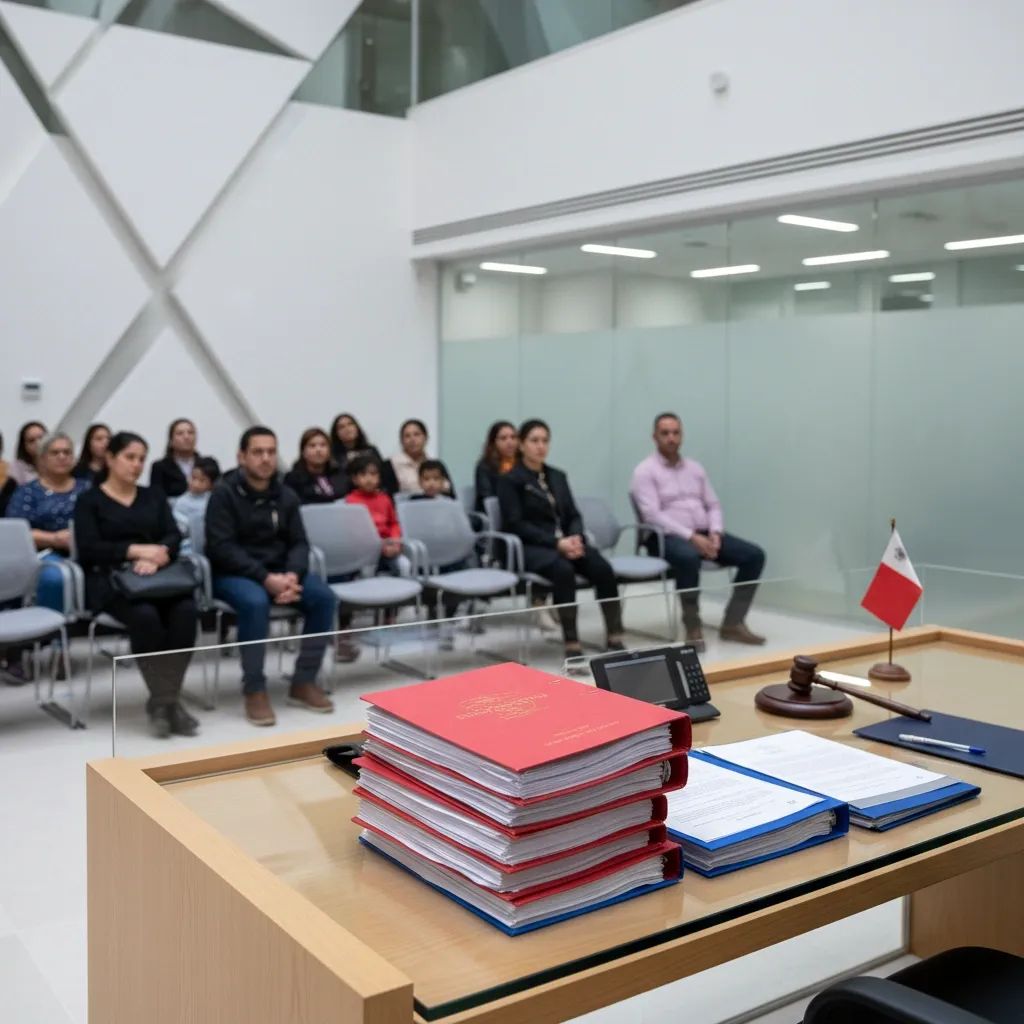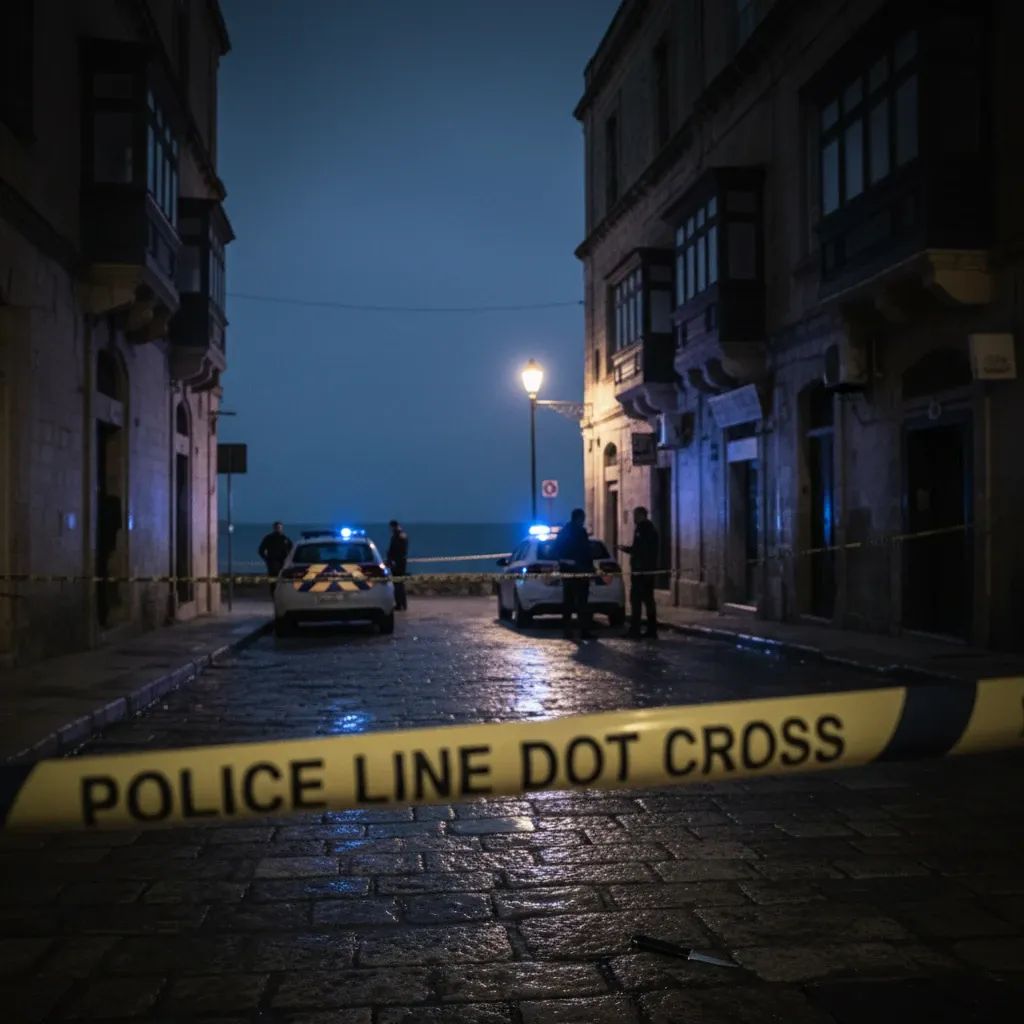
The Malta Criminal Court has handed a pair of foreign nationals identical two-year prison sentences after a knife-point holdup in Gżira, a judgment meant to send a clear message that late-night street violence will not earn leniency.
Why This Matters
• Real jail time, not suspended – the court opted for an effective term, signalling tougher treatment of violent theft.
• Mandatory refund – the €510 taken at knifepoint must be repaid in full, illustrating that victims can pursue both justice and compensation.
• Three-year restraining order – victims now have a legal buffer that police can enforce immediately if the offenders re-enter Malta.
• Short-let trail helped police – investigators traced the duo through a string of Airbnb bookings, underscoring how digital guest logs aid modern policing.
How Police Closed In
Witness accounts, neighbourhood CCTV and the electronic paper trail of three sequential short-let bookings in Gżira, Ta’ Xbiex and Sliema enabled the Malta Police Cyber & Intelligence Unit to pinpoint the suspects within 36 hours. Officers recovered the victim’s wallet, documents and mobile phone during the Sliema arrest. Taxi records corroborated the route taken after the 01:30 mugging on St Albert Street.
Inside the Courtroom
Magistrate Leonard Caruana weighed two competing factors: the violent nature of the crime and the pair’s immediate cooperation once caught. Under Article 263 of Malta’s Criminal Code, aggravated theft involving a weapon carries between 3 and 9 years; however, early guilty pleas and a clean local record allowed the sentence to settle at the statutory minimum of 2 years. The magistrate stressed that “fear inflicted with a blade on a residential street” could not be forgiven with a fine or suspended term alone. A joint restitution order obliges the offenders to reimburse the €510 within the first year of release.
What This Means for Residents
Malta’s densely populated Gżira–Sliema nightlife belt sees an annual influx of seasonal workers and tourists, and street robberies can spike in the winter shoulder months when fewer bystanders are around. Friday’s ruling offers several practical takeaways:
Expect firmer sentencing: Courts are increasingly choosing incarceration over suspended terms in crimes involving weapons, even when no physical injuries occur.
Digital breadcrumbs matter: Airbnb hosts must legally submit guest IDs to Malta’s Accommodations Register. Those records now prove pivotal for police, so residents and landlords alike should keep compliance tight.
Victim support is expanding: The compulsory refund order and restraining order were processed automatically—something crime-survivor NGOs have been lobbying for to reduce paperwork for victims.
Community Safety Moves Underway
The Gżira Local Council is finalising a lighting-upgrade project for side streets feeding the Strand promenade. Separately, Transport Malta is piloting late-night bus routes that loop through St Albert Street, hoping that visible public transport deters would-be offenders. Residents can also expect fresh patrols: the Police Rapid Intervention Unit has reassigned two units to the coastal district for the first quarter of 2026.
The Bigger Picture on Sentencing
Legal scholars note that Malta’s lower courts have imposed at least five prison terms for street robberies involving blades in the past 18 months—double the figure recorded in 2023. While no legislative amendment is on the table yet, the Attorney General’s Office is said to be studying whether current guidelines sufficiently address crimes where violence is threatened but not carried out.
For now, the court’s decision offers a measure of reassurance to anyone who walks home after a late drink in Gżira: brandishing a knife for €500 will, at minimum, cost a perpetrator two years of freedom and a record that makes future entry into Malta improbable.