The Malta Development Bank has emerged as a critical financial architect for the island's long-term economic stability, steering capital toward projects that commercial lenders routinely sidestep. With direct access to EU funding mechanisms secured in early 2026 and a portfolio deliberately calibrated to Malta's 2050 strategic vision, the institution is now positioned to accelerate investments across infrastructure, green energy, and the cultural economy—sectors where private capital often hesitates despite their societal value.
Why This Matters
• Expanded financing capacity: The MDB's accreditation as an InvestEU implementing partner (a formal designation allowing the bank to directly access EU financial guarantees) unlocks access to EU guarantees, allowing it to mobilize approximately €44M in fresh investment for Maltese SMEs and sustainability projects.
• Targeted sector support: New financing schemes launched in July 2025 prioritize environmental goals and cultural enterprises, sectors historically underserved by traditional banks.
• Crisis-tested model: During the COVID-19 pandemic, the MDB coordinated with nine local banks to deploy nearly €500M in emergency liquidity, demonstrating its capacity to stabilize the economy under stress.
• GDP alignment: With Malta's real GDP growth projected at 4.1% for 2026, the bank's strategic investments are designed to sustain momentum in innovation, digitalization, and renewable energy.
The Financing Gap Strategy
The MDB's core operational logic revolves around addressing market failures—situations where profitable projects with clear public benefit fail to secure private funding because traditional banks consider them too risky or unprofitable. This occurs frequently in Malta's small economy, where commercial banks assess risk conservatively and rarely extend capital to ventures with long payback periods or limited collateral.
Through its SME Guarantee Scheme and Guaranteed Co-Lending Scheme, the MDB partners with institutions like APS Bank, Bank of Valletta, and HSBC Malta to offer reduced collateral requirements, lower interest rates, and extended repayment timelines. The bank does not compete with private lenders; instead, it de-risks projects by providing partial guarantees, enabling commercial banks to participate in deals they would otherwise decline.
This model proved essential during the pandemic, when the MDB swiftly pivoted to deploy working capital loans across the business community. The institution's ability to act as a catalyst for private capital rather than a substitute has become central to its identity.
Infrastructure and Social Investment
Malta's physical and social infrastructure needs often exceed the appetite of private investors. Projects in healthcare facilities, long-term care centers, affordable housing, and educational infrastructure typically generate significant societal returns but modest financial yields—making them unattractive to profit-driven capital.
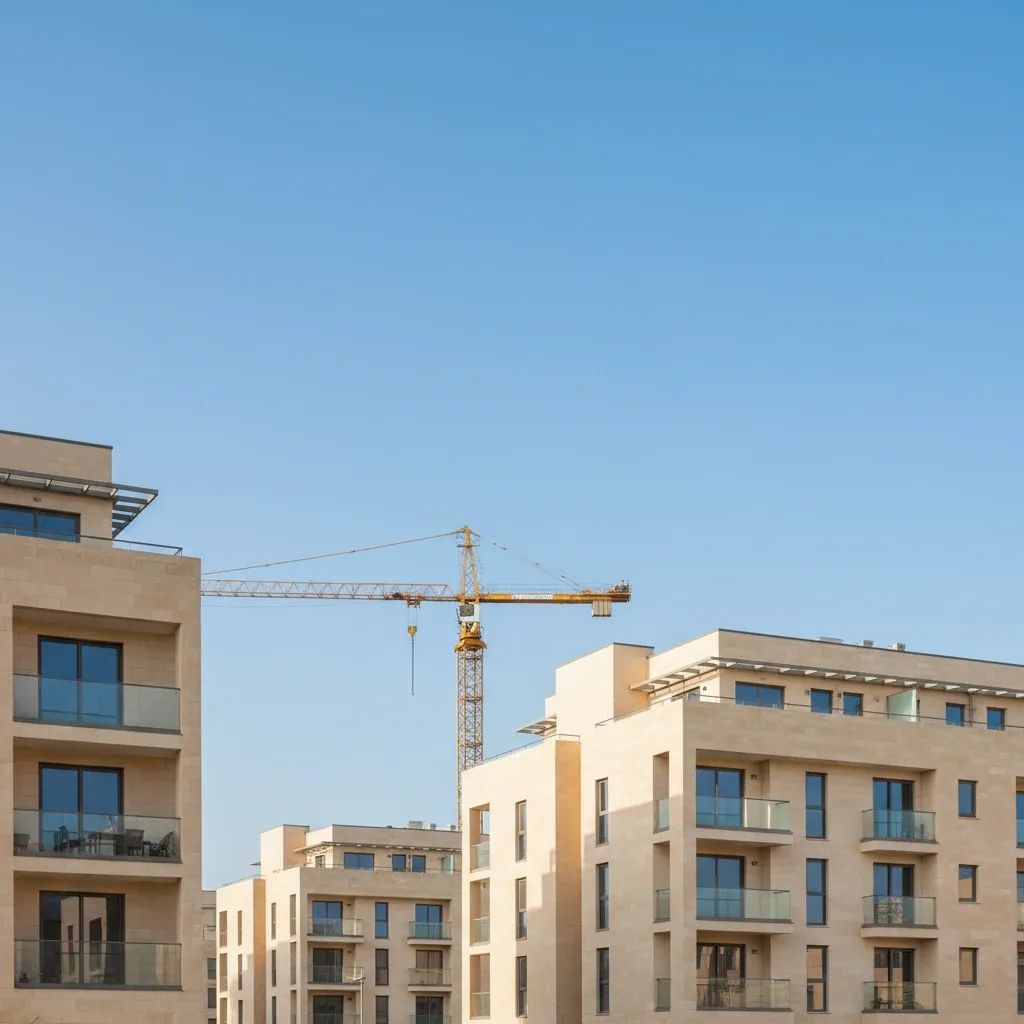
The MDB fills this void by directly financing or co-financing initiatives that align with Malta Vision 2050, the government's long-term development blueprint. Recent examples include support for battery storage projects at solar installations across the island to maximize renewable energy utilization and involvement in proposed housing schemes designed to improve affordability for first-time buyers and families. The bank is also exploring financing for a potential second interconnector cable, which would enhance Malta's energy security and reduce reliance on imported fossil fuels.
These capital-intensive projects require patient capital—financing structured to accept lower returns over extended periods in exchange for long-term strategic value. For Maltese residents and businesses, this means more stable, affordable access to essential services and infrastructure improvements.
European Partnerships and Funding Pipelines
The European Investment Bank Group has become the MDB's most significant institutional partner. In November 2023, the EIB extended a €30M loan to the MDB specifically for small-scale green investments, including sustainable mobility, renewable energy production, energy efficiency retrofits, and waste recycling. The EIB also provides advisory services to strengthen the MDB's capacity to identify and structure eligible green projects.
In June 2024, the European Investment Fund partnered with the MDB under the InvestEU program, providing €20M in guarantees designed to unlock investments in sustainable and creative sectors. This arrangement allows the MDB to offer more favorable terms to Maltese SMEs navigating the green and digital transitions—two of the most challenging structural shifts facing small businesses.
The MDB's accreditation as an official InvestEU implementing partner in early 2026 marked a turning point. It granted the institution direct access to EU financial guarantees, bypassing intermediary structures and allowing faster deployment of capital to Maltese businesses. This places the MDB within the same tier of European financial institutions as larger national promotional banks across Europe, but with a crucial advantage: the ability to respond quickly to local business needs.
Sectoral Focus and Economic Impact
The bank's 2026–2028 business plan explicitly prioritizes economic resilience, energy resilience, and inclusive growth. This translates into targeted financing schemes for several key areas:
Environmental Sustainability: The MDB's "Sustainability Schemes" support projects that contribute to Malta's climate targets, including renewable energy installations, circular economy ventures, and sustainable mobility solutions. These schemes embed ESG principles (environmental, social, and governance standards that reward responsible business practices) into Malta's financial system, creating a framework that encourages companies to adopt sustainable practices.
Cultural and Creative Industries: The "Cultural & Creative Sector Scheme" launched in mid-2025 addresses chronic underfunding in this sector. Cultural enterprises often struggle to secure financing because their assets are intangible and their revenue streams unpredictable. The MDB's intervention recognizes the economic multiplier effect—the principle that money spent in one sector generates additional spending and jobs across related industries—making cultural investments valuable for overall economic growth and tourism.
Innovation and Digitalization: The bank actively finances startups and SMEs working in fintech, blockchain, and digital services—sectors where Malta has cultivated a competitive edge. By extending capital to early-stage ventures, the MDB reduces the likelihood that promising companies will relocate to better-capitalized ecosystems in continental Europe.
What This Means for Residents
For Maltese citizens and residents, the MDB's activities translate into tangible outcomes: more affordable housing projects, improved healthcare facilities, expanded public transport options, and greater job security as SMEs gain access to growth capital. The bank's support for energy resilience also has direct implications for household utility costs, as investments in battery storage and renewable capacity reduce Malta's dependence on expensive imported fuel.
Businesses—particularly small and medium-sized enterprises—benefit from longer repayment periods and lower borrowing costs than they could secure from commercial banks alone. This is especially relevant for companies investing in sustainability retrofits or digital infrastructure, which require upfront capital but deliver cost savings over time.
The MDB's role in crisis response also provides a measure of economic security. During periods of external shock, the institution can rapidly coordinate with commercial banks to deploy emergency liquidity, as it did during the pandemic. This capacity for countercyclical intervention (providing credit when private lenders retreat) stabilizes employment and prevents cascading business failures.
How to Access MDB Financing
For Maltese SME owners and entrepreneurs, accessing MDB financing schemes involves working through the bank's network of partner institutions. Here's how:
• Contact participating banks: Maltese businesses interested in MDB financing schemes can approach APS Bank, Bank of Valletta, or HSBC Malta, which partner directly with the MDB to administer guarantee schemes and co-lending programs.
• Explore available schemes: Businesses can inquire about the SME Guarantee Scheme (for reducing collateral requirements), the Guaranteed Co-Lending Scheme (for co-financed projects), or sector-specific programs such as the Cultural & Creative Sector Scheme or Sustainability Schemes.
• Get more information: For detailed information on current programs, eligibility criteria, and application procedures, residents and businesses can visit the MDB's official website or contact the bank directly through its main office in Valletta.
• Seek advisory support: The MDB often provides advisory services to help entrepreneurs structure projects that meet EU funding criteria, ensuring applications align with sustainability and innovation objectives.
The Road Ahead
The MDB's strategy through 2028 emphasizes sustainable, inclusive, and resilient growth, with particular attention to projects that reduce poverty, encourage innovation, and strengthen national competitiveness. The bank's evolving role as a direct conduit for EU funds positions it to play an outsized role in Malta's economic transformation over the next decade.
By bridging the gap between public policy objectives and private capital constraints, the institution has become indispensable to Malta's development architecture. Its partnerships with European financial institutions provide access to capital at scales and terms unavailable domestically, while its local expertise ensures that financing flows to projects with genuine strategic value.
For a small island economy navigating global volatility, the MDB represents a stabilizing force—one that channels patient capital toward resilience rather than short-term returns. Whether you're a business owner seeking growth capital, a cultural entrepreneur looking for support, or a resident benefiting from improved infrastructure and affordable housing, the MDB's expanded EU access means more opportunities and greater economic security for Malta.