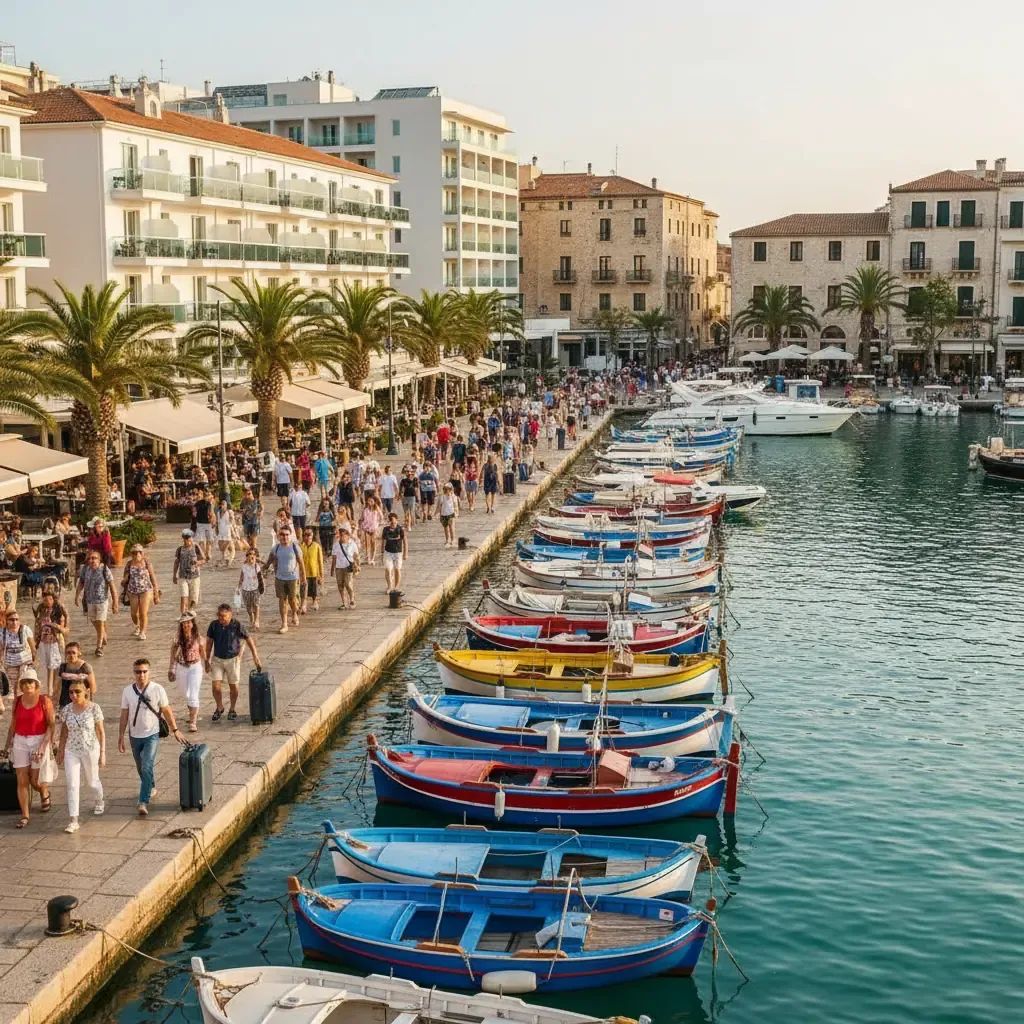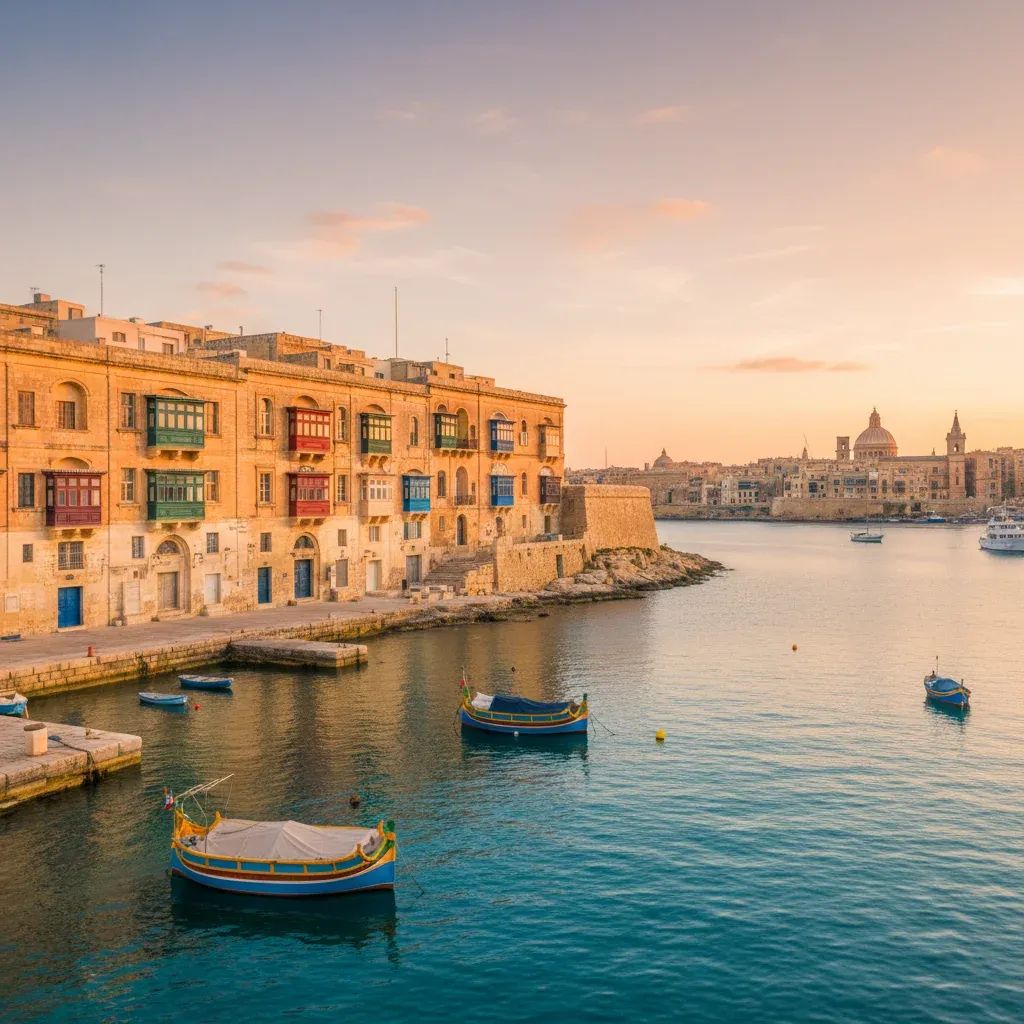
The Malta Tourism Authority (MTA) has confirmed that inbound arrivals crossed the 4 million threshold in 2025, a surge that is fast-tracking the country toward the 4.5 million visitors originally pencilled in for 2035. The sudden acceleration is already forcing policymakers to rethink how many tourists the islands can realistically host—and at what quality.
Why This Matters
• Shoulder-month boom: September–November is now Malta’s second peak, easing summer crowding but stretching services year-round.
• Money, not just numbers: Average spend per traveller rose to €971 in 2025, yet that is still 43 % short of the €220-€230 a-night goal set for 2035.
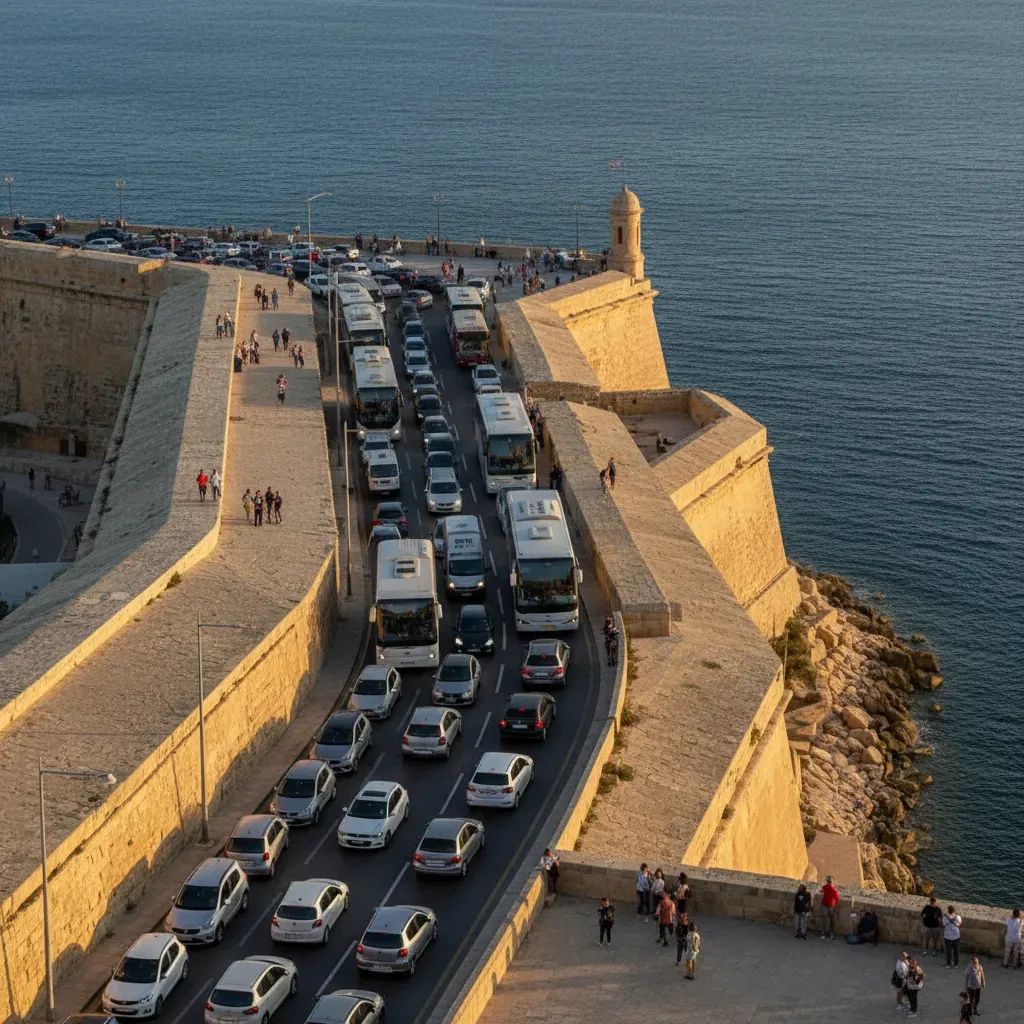
• Infrastructure alert: Traffic, waste and water networks are close to capacity; new rules for hotels and rentals will start biting in 2026.
• Opportunity window: A pipeline of luxury hotels, direct NYC flights and generous MICE subsidies could lift wages and reduce seasonality—if managed well.
More Visitors, New Timing
The headline figure—4 million tourists—masks a subtler shift. Compared with 2019, the largest gains came in October (+28 %) and September (+22 %), not July or August. This calendar reshuffle owes much to targeted airline incentives and the rebound of the meetings, incentives, conferences and exhibitions (MICE) sector, which deliberately books outside the beach rush. Source-market dynamics are changing too: Poland has elbowed Spain out of the top five, while the UK still commands the lion’s share with 841,000 arrivals.
Spending Is Edging Up, but Not Fast Enough
On paper, 2025 looked lucrative: tourist outlays hit €3.9 billion, an 18.6 % jump year-on-year. Yet once inflation is stripped out, the average nightly spend remains €153.48, barely above the 2019 level when measured in real terms. Where growth is evident is in the delegate economy: a typical MICE visitor spends around €300 per day, more than double a beach-goer’s €132. The challenge is clear—Malta must tilt further toward higher-value experiences if it wants to close the 43 % gap to the Vision 2050 revenue target.
Pressure Points: Roads, Rents and Resources
Record arrivals are already colliding with resident life. Malta International Airport handled over 1 million passengers in July 2025, nearly maxing out its current capacity. Solid waste volumes spiked in the same month, while intermittent water and power cuts drew public ire. On the housing front, relentless accommodation demand has pushed rental prices to levels many locals now describe as “London lite.” The government is therefore weighing visitor caps at hotspots like Comino’s Blue Lagoon and exploring tourist taxes calibrated to season and spend.
Luxury Wave on the Horizon
Industry players are betting on quality. Among the openings slated for 2026 are Casa Bonavita in Attard, the NH Collection Sliema urban resort, and Romègas in Valletta, each promising spa suites, rooftop pools and curated gastronomy. Minor Hotels and Meliá together plan more than a dozen up-market properties across Malta and Gozo by 2028. Parallel to bricks-and-mortar upgrades, operators are rolling out private yacht charters, Caravaggio-themed art tours, and high-adrenaline watersport packages aimed at travellers who measure value in moments, not margins.
Government’s 2026 Playbook
Facing capacity warnings, the Tourism Ministry has shifted emphasis from raw head-count to “lower-impact, higher-value” targets. Key planks include:
Year-round promotion: Cash rebates for conferences held between January and May or October and December.
Connectivity diversification: The first direct flights to New York launch in June 2026, reducing dependence on a single low-cost carrier.
Regulation reboot: New hotel and short-let rules will impose minimum service standards and sustainability benchmarks.
Digital oversight: AI-driven dashboards will monitor footfall in Valletta and Mdina, triggering real-time crowd management alerts.
What This Means for Residents
• Commuting: Expect prolonged traffic peaks as shoulder months grow; public transport upgrades are in the 2026 budget but not yet delivered.• Utilities: Higher tourist density equals higher water-and-power usage; authorities are fast-tracking desalination upgrades and grid reinforcement.• Jobs & Wages: Hospitality vacancies remain high; Maltese speakers with service qualifications stand to command premium pay in boutique hotels and MICE logistics.• Cost of Living: Short-let regulation may ease upward pressure on rents, but only if enforcement is strict—watch this space.
Outlook for Business & Investors
Entrepreneurs eyeing the sector should pivot to experiential add-ons—think vineyard tours, wellness retreats, culinary masterclasses—that command €200-plus ticket prices. Meanwhile, property investors may find better yields in up-market serviced apartments tailored to business delegates rather than budget holiday lets. The bottom line: the growth ceiling is no longer passengers through the airport but euros spent per head per night.
Malta’s tourism boom is at a crossroads. The islands can keep chasing arrival records—or they can extract more value from each guest while giving residents breathing room. 2026 will reveal which path wins out.