The Malta Housing Authority has quietly doubled the cash it is willing to hand over to anyone ready to revive an empty dwelling, a shift that could pull hundreds of shuttered properties back onto the market as long-term, rent-controlled social homes.
Why This Matters
• €50,000 cap now: Owners can claim up to €50,000 per unit—twice the previous ceiling—covering most heavy repairs.
• Younger buildings qualify: Houses or flats 20 years old (not 30) are now eligible, widening the pool of potential applicants overnight.
• Ten-year guaranteed lease: The state signs a tax-free contract and pays rent six months in advance, reducing landlord risk.
• Pressure valve on rents: Every property diverted into social housing eases demand in the private market, which has pushed average rents up by nearly 40 % in five years.
How the Overhaul Works
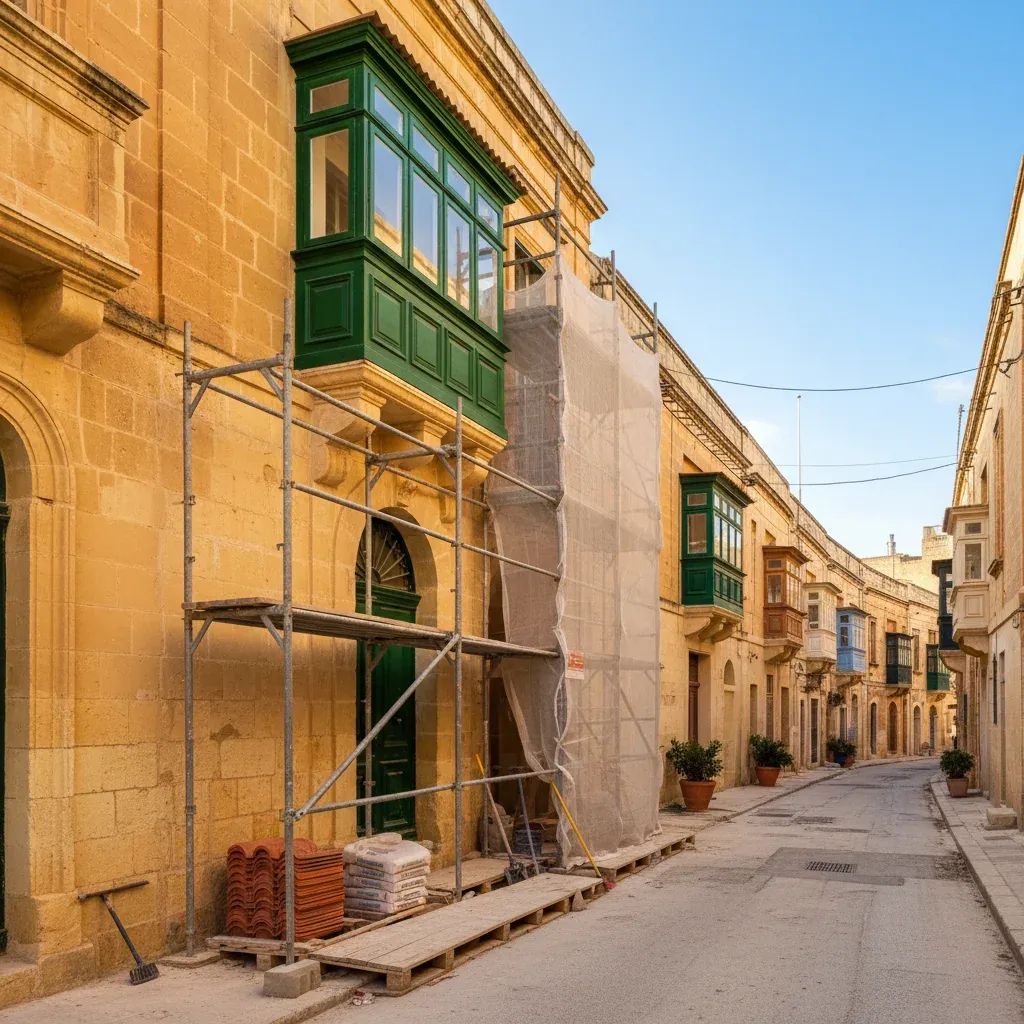
Under the refreshed Rehabilitation of Vacant Dwellings programme, owners of empty units can seek reimbursement for structural fixes, rewiring, plumbing, roof resealing, windows, and door replacements. Once works pass inspection, the apartment is enrolled in the Authority’s Nikru biex Nassistu portfolio and leased back to the state for 10 years. Rent is set below market value but rises by 2 % per annum, cushioning owners against inflation while remaining affordable for tenants.
Financial Upside for Landlords
For many small Maltese families, a vacant inheritance is more burden than asset—maintenance bills, squatter risk, and a steep tax hit if sold. The tweaked scheme offers:
• Zero VAT on the grant, because funds are disbursed directly to contractors.
• No income tax on the rent for the whole decade.
• Up-front payments every six months, a perk few private tenants can match.
• A contractual clause requiring the Authority to return the flat in comparable condition, normal wear accepted, sparing owners the headache of eviction or legal wrangling.
Safeguards for Tenants & State
The new framework insists on meeting minimum habitability standards before any lease begins—electric certificates, damp-proofing, accessible entrances where possible. Because the Authority becomes the legal tenant, residents enjoy security of tenure without the fear of abrupt eviction, while the state centralises rent collection and maintenance oversight.
What This Means for Residents
Waiting-list families could see keys sooner; every refurbished unit chips away at Malta’s social-housing backlog.
Private renters benefit indirectly: pulling vacant homes into the regulated sector increases supply and tamps down bidding wars.
Neighbourhoods dotted with derelict houses regain life, lifting property values and street safety.
Tradespeople—electricians, masons, plumbers—gain steady work as grant-funded renovations roll out island-wide.
Next Steps & Deadlines
The Authority begins accepting applications under the revised rules on 1 March via its online portal or at regional offices in Valletta, Gozo, and Paola. Owners must submit:
• Proof the dwelling has been unoccupied for at least 12 months.
• A licensed architect’s bill of quantities.
• Title deeds and energy-performance certificate.
Grants are awarded on a first-come, first-served basis until the annual budget—rumoured to top €15 M—is exhausted. Officials hinted more tweaks may follow, including higher caps for multi-unit blocks, as part of a broader housing-affordability package due later this year.
The Bigger Picture
Census data show more than 19,000 empty homes across Malta and Gozo. Even if a fraction enter the scheme, policymakers argue, the impact could rival building an entirely new estate—but without eating into the island’s scarce open land. As CEO Matthew Zerafa put it, “The greenest building is the one already standing.”
For landlords sitting on idle bricks and mortar, this may be the most lucrative—and socially useful—moment to call the Authority before the money runs out.