The Malta Ministry for Education has set in motion an ambitious digital-literacy overhaul, a move that will redefine what pupils learn in school today and what adults will need to know to stay employable tomorrow.
Why This Matters
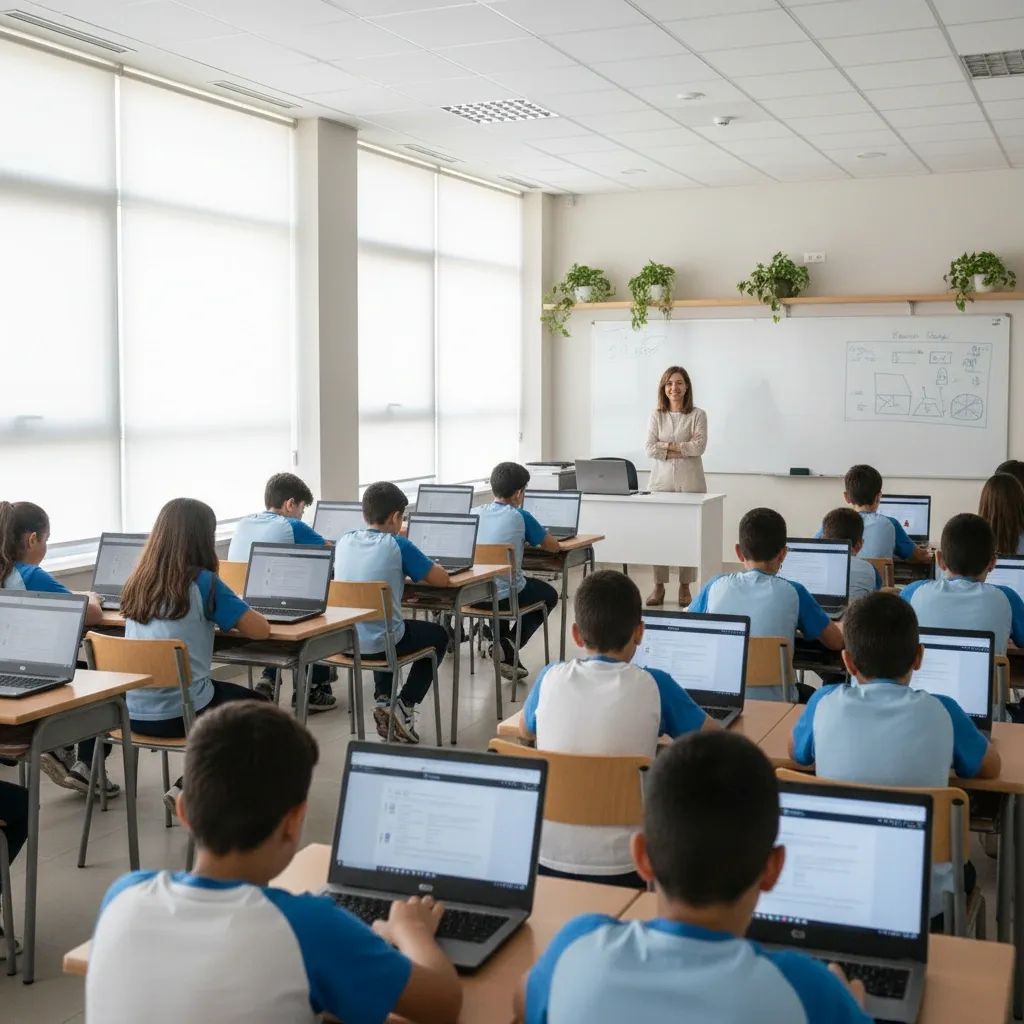
• New laptops land in classrooms as part of the €54 M “One Device Per Child” rollout starting in the 2025/26 year.
• AI training goes free for everyone in early 2026, with national certificates and complimentary access to leading tools.
• Curriculum updates kick in next autumn, hard-wiring coding, cyber-safety and critical thinking into every subject.
• 50 % of Year-9 students currently struggle with basic computer tasks—so the reforms arrive not a moment too soon.
From Classroom to Living Room: Malta’s Digital Playbook
Walk into a state secondary next year and you will notice fewer paper notebooks and a sea of identical grey laptops. That is phase one of the “One Device Per Child” scheme, co-financed by EU funds, which will place up to 20,000 devices in the hands of learners aged 11-13. Each gadget ships with endpoint protection, Maltese-language content and a cloud-based classroom-management tool that lets teachers freeze screens or push resources instantly.For parents, the biggest change will be homework that assumes permanent connectivity—and fewer excuses about “forgotten” worksheets.
The Numbers: How Prepared Are We?
A recent International Computer & Information Literacy Study found that 1 in 5 Maltese 14-year-olds sits in the lowest band for computational thinking. Contrast that with national statistics showing 96 % of 16-24-year-olds claiming advanced digital skills. The gap is not a paradox; it simply means young adults learn informally—mostly on TikTok, YouTube or gaming platforms—while formal schooling lags.The new Digital Education Strategy 2024-2030 aims to lift overall digital literacy to 80 % by 2030 and cut under-achievement in half within five years.
Closing the Skills Gap: What Other Countries Do Differently
Finland threads digital competence through every subject, Estonia assigns a full-time technologist to most schools, and Singapore hands each secondary student a Personal Learning Device by age 13. The University of Malta task-force that drafted the new curriculum borrowed liberally from these playbooks:
• Cross-curricular coding like Finland’s model
• In-school tech mentors inspired by Estonia
• Structured device ownership à la SingaporeThe difference is cultural scale—Malta can pilot nationwide in a single term, something larger nations cannot match.
What This Means for Residents
• Parents: Expect information sessions on e-safety and AI ethics at every college. Schools will invite guardians to log into the same learning portals pupils use.• Students: Laptops remain property of the state until Year 11; treat them like library books or face repair fees roughly €150—about a month’s phone bill.• Teachers: Mandatory CPD credits in digital pedagogy kick in January; refusal could stall promotions.• Employers: National certificates in AI basics will appear on CVs by mid-2026, raising the bar for entry-level roles.• Taxpayers: EU funding covers 65 % of hardware costs; the remaining outlay is already in the 2026 budget, so no surprise levies are expected.
Beyond the School Gate: Lifelong Upskilling
The Education Ministry is partnering with Jobsplus to offer evening courses on data analytics, cloud fundamentals and low-code app building. Graduates earn micro-credentials recorded on a blockchain ledger overseen by the Malta Digital Innovation Authority—a first for the island. Older residents, often wary of online banking or MyHealth portal log-ins, will be targeted through community-centre workshops co-run with local councils.
The Road Ahead
If timelines hold, every secondary learner will sit an AI-assisted maths exam by 2028, and employers will interview a generation that regards prompt engineering as basic literacy. The government’s wager is clear: invest €54 M today, avoid a productivity cliff tomorrow. Whether the plan delivers hinges on one crucial detail—turning shiny devices and upbeat policies into habitual, critical, and ethical tech use. The next two school years will tell.