The Żurrieq Local Council has quietly renewed calls for a permanent heritage trail linking Malta’s major post-war air-crash sites, a move that could finally turn forgotten runways and impact craters into historical stops, educational plaques and tourism revenue.
Why This Matters
• Malta’s worst aviation disasters still lack signage. Only the 1956 Avro York site has a public garden; four other tragedies remain unmarked.
• Heritage funding is on the table. €1.5 M from the EU’s NEXTGEN culture pot is earmarked for micro-memorials if councils submit plans by June.
• Property owners can benefit. Streets rebranded around historical themes typically see a 3-5 % bump in short-let demand, according to the Malta Tourism Authority.
• Schools want new content. The Education Ministry has ordered fresh local-history modules for Year 9; on-site learning spaces would satisfy that syllabus.
From Crash Sites to Classroom Material
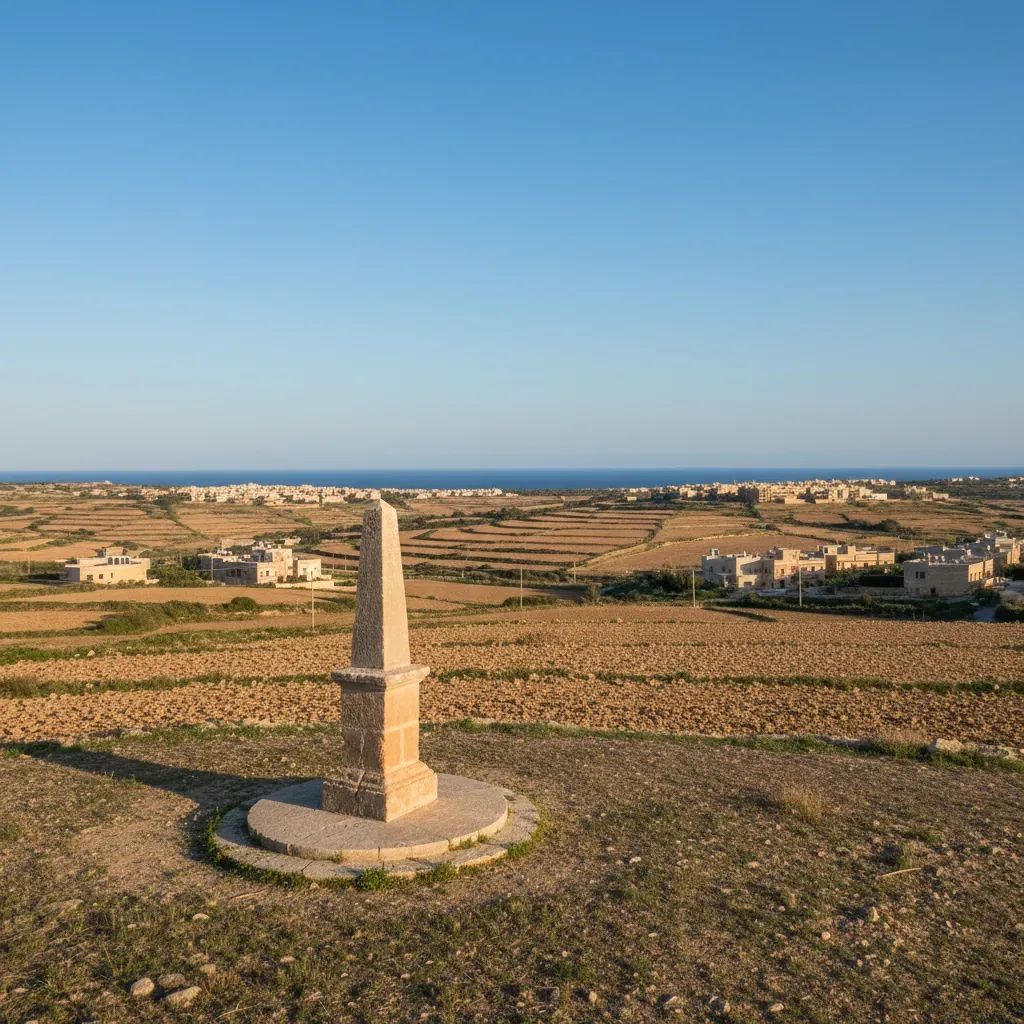
Seven decades have passed since an overloaded Avro York ploughed into scrubland at Il-Ġibjun, killing all 50 on board. That mound of earth near Żurrieq’s water reservoir now carries a tasteful stone obelisk—but it is the exception, not the rule. Luqa, Safi, Marsa and Żabbar still hide the scars of 6 other lethal incidents between 1952 and 1975, each one etched in military logbooks yet invisible to residents rushing past on their morning commute.
"We teach the Siege of Malta meticulously, but skip the Cold-War years when the island was effectively an unsinkable aircraft carrier," remarks Prof. Denise Grech, aviation historian at the University of Malta. She notes that RAF payrolls peaked at 12 000 in 1960, making airfields the country’s second-largest employer after the dockyard. "These crashes are social history—missing that story is missing half of post-Independence Malta."
A Compressed Timeline of Turbulence
• Rabat, 1946 – Vickers Wellington: Hydraulic fumes likely knocked out the crew; 16 civilians on the ground also perished.
• Luqa, 1952 – Avro Lancaster: Engine fire on take-off. Three crew killed, 14 homes damaged—one of Malta’s first modern compensation claims.
• Żurrieq, 1956 – Avro York: Engine No. 1 failure plus pilot misjudgment. Worst toll at 50 dead.
• El Adem, Libya, 1961 – Hastings Transport: Among the 17 fatalities were 15 Maltese sappers flying home; bodies buried at Pembroke Military Cemetery.
• Grand Harbour & Safi, 1969 – Two Canberra jet recon flights: Both rolled inverted on approach; four airmen lost, debris scattered near Addolorata Cemetery.
• Żabbar, 1975 – Avro Vulcan: Hard landing, undercarriage collapse, mid-air breakup; five crew and one passer-by killed, ejector-seat malfunction recorded.
Each episode generated an internal Board of Inquiry report, but only brief digests ever surfaced publicly. The Malta National Archives confirms 2 000 pages remain classified—largely for privacy, not security—yet relatives say they want closure more than blame.
Voices That Still Echo
Survivor testimonies form a living archive that is thinning by the year.
• Carmelo Borg of Fgura, now 88, remembers heat "like a blast furnace" inside the ruptured Hastings fuselage. He pulled a trapped colleague free. "Commemorations aren’t for sentiment; they remind recruits that metal fails."
• Żabbar resident Charlie Seychell was 10 when the Lancaster’s wing sheared his family’s basement ceiling. "People think of wartime bombs, not peacetime crashes, but aviation fuel can torch a street just the same," he tells us.
What This Means for Residents
Local councils could unlock EU money. The Culture Ministry confirms that up to €200 000 per council is available for "micro-memorial" trails—bronze QR-coded markers, audio guides, small landscaping works.
Traffic calming by design. Streets that gain heritage status typically secure lower speed limits; residents in Luqa’s St George’s Street, where the 1952 aircraft skidded, have lobbied for this for years.
Short-let diversification. Airbnb data shared with the Malta Tourism Authority shows niche military-heritage tours add 5 nights per year to occupancy in comparable sites in Crete and Cyprus.
Educational spin-offs. The Education Ministry’s new Year 9 curriculum mandates at least one field trip rooted in Maltese post-war history; having designated crash landmarks makes planning easier and cheaper for state schools.
Current State of Memorialisation
• Żurrieq boasts a landscaped garden with interpretive panel—the gold standard so far.
• Żabbar maintains a modest museum corner and a street plaque financed by parishioners, but lacks outdoor way-finding signage from the main road.
• Luqa, Safi and Marsa—nothing beyond sporadic wreath-laying by retired RAF personnel.
• The Malta Aviation Museum at Ta’ Qali focuses on WWII; its curator says post-war additions would require €600 000 for climate-controlled storage, money not yet budgeted.
Policy Ideas Now Circulating
Street-name updates. A Transport Malta directive allows renaming only if 70 % of residents consent. Żabbar council is gauging support for "Triq il-Vulcan 1975." Similar petitions could follow.
Digital twin mapping. MITA (Malta Information Technology Agency) proposes an augmented-reality overlay for tourist apps, pinging users when they are near an unmarked crash site.
Shared maintenance. Insurance-sector NGO Fondazzjoni Għada suggests insurers co-fund plaques, arguing the initiatives underline public safety and reduce vandalism claims.
Partial declassification. The Home Affairs Ministry is studying a UK-style 60-year disclosure rule, which would open inquiry files on incidents up to 1966 by next year.
The Economics of Memory
Heritage economists at Bank of Valletta estimate that even a modest trail could attract 15 000 niche visitors annually, worth roughly €1.2 M in off-peak spending—useful in winter when seat capacity sits at 62 % of summer levels. "You don’t need to build another museum," says analyst Karl Debono. "A few well-placed panels and good storytelling turn a liability into footfall."
Next Steps
The Żurrieq Local Council will table a motion later this month asking the Culture Ministry to front-load feasibility studies so councils can file a joint EU funding application by the June deadline. Luqa and Żabbar have signalled support; Safi remains undecided.
Residents wishing to contribute eyewitness accounts or memorabilia can email heritage@gov.mt. Those stories—not just hardware—will decide whether Malta’s post-war skies remain a footnote or become a recognised chapter in the island’s collective memory.