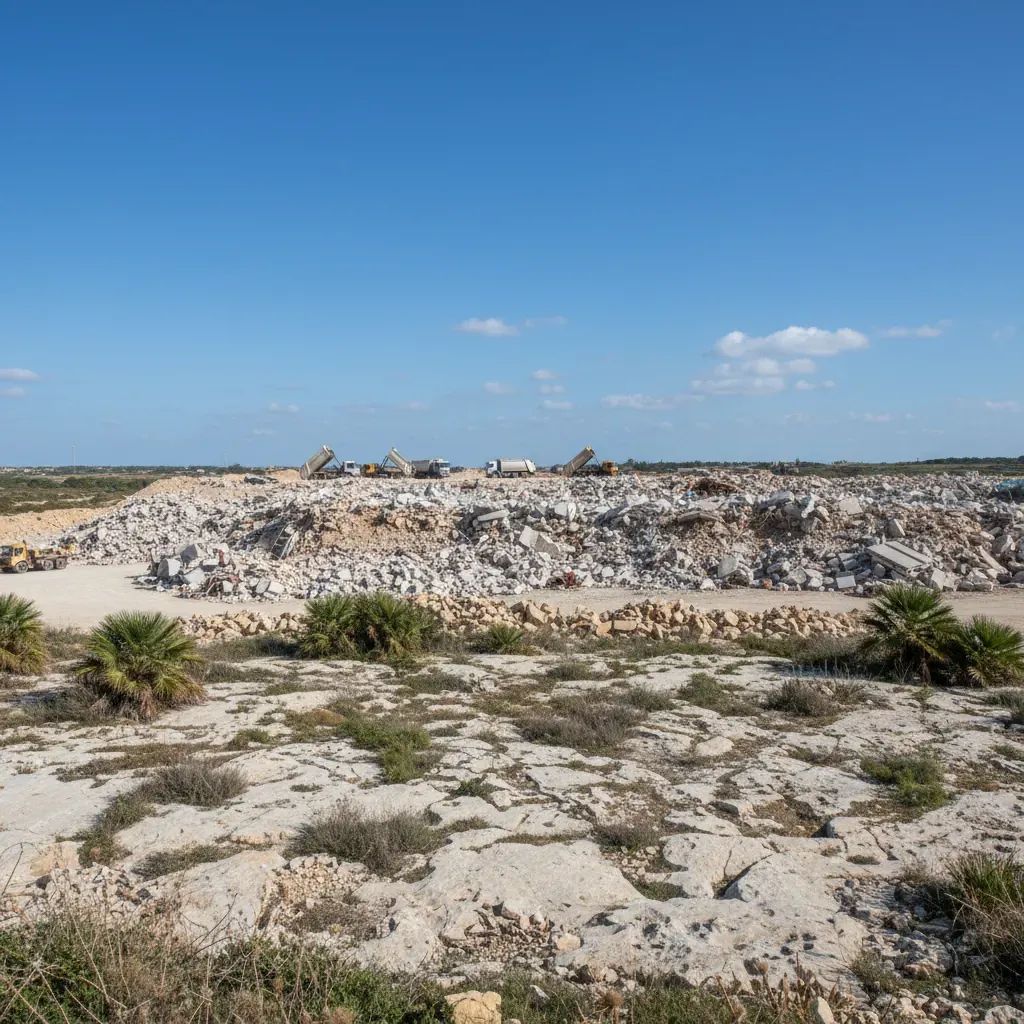
Malta National Statistics Office has revealed that solid waste output jumped to 3.5 million tonnes in 2024, a surge that will prompt stricter waste levies and reshape construction and household expenses in the coming years.
Key Takeaways
• 3.5 million tonnes of solid waste generated in 2024, up 17.6% from 2023
• 58% surge in backfilling of mineral waste while recycling for that fraction slipped 13.6%
• 2,444 tonnes more organic refuse and 887 tonnes extra beverage containers collected curbside
• Growing EU pressure over low recycling rates may trigger new penalties or funding cuts
Drivers Behind the 2024 Waste Increase
Malta’s construction sector continues to drive mineral waste volumes upward, with non-hazardous debris from demolition and excavation swelling by over 323,000 tonnes in a single year. Dredging operations added nearly 132,000 tonnes of spoils, stretching the capacity of quarries and prompting operators to intensify backfilling to manage the overflow. Despite the surge in total output, non-mineral refuse such as household and commercial waste climbed a modest 2.2%, signalling that the building boom remains the primary catalyst.
Shifting Patterns in Waste Treatment
The Malta Environment and Resources Authority reports a clear tilt towards disposal methods over material recovery. Backfilling of mineral waste jumped 58%, while recycling of the same category dropped by 13.6%. Energy recovery also fell by roughly 1,700 tonnes, reflecting delays at the ECOHIVE waste-to-energy facility. This trend forces builders to source more virgin limestone, increasing pressure on the islands’ natural quarries and potentially driving up aggregate costs.
EU Directives and National Responses
Brussels has launched infringement proceedings against Malta for its lagging recycling performance, currently at about 16% of municipal waste against the 55% EU target for 2025. The Ministry for the Environment, Energy and Enterprise is updating the Construction and Demolition Waste Framework Regulations (S.L. 549.161) and preparing mandatory Pre-Demolition Audits for major projects from January 2026. Failure to meet material reuse quotas could result in surcharges up to €18 per tonne, exposing developers – and ultimately homeowners – to higher construction bills.
What This Means for Residents
Households should brace for new costs and stricter enforcement in the coming months:
• A potential pay-as-you-throw levy tied to bin weight could be introduced as early as 2026
• Curbside collection improvements mean more organic and glass bins appear on doorsteps, rewarding compliant users
• Draft by-laws propose a flat €40 fine for grey bag contamination, aiming to boost separation rates
• Property renovations over 16 units must submit a Pre-Demolition Audit, or face possible permit delays and extra fees
Looking Ahead: Infrastructure and Incentives
Malta’s €600 M ECOHIVE project is slated to process up to 192,000 tonnes of residual waste annually, aiming to cut landfill reliance to 35% by 2030. A new multi-material recovery plant at Ħal Far will sort mixed demolition rubble into saleable aggregates and steel, feeding the circular economy blueprint of the Long-Term Waste Management Plan 2021–2030. While these investments promise relief, their success hinges on improved source separation and stricter compliance oversight.
Residents and businesses alike must adapt to a shifting waste landscape, where diligent sorting not only safeguards the environment but also protects wallets from escalating disposal charges.