The Malta Magistrates’ Court has secured a guilty plea from 31-year-old Mohamed Hussein Abdi for possessing dozens of sachets of synthetic cannabis, a case that underlines Malta’s sharpened crackdown on lab-made cannabinoids and the difficult crossroads where homelessness, addiction and criminal liability meet.
Why This Matters
• Synthetic cannabis now carries trafficking-level penalties after a 2024 ban; convictions can lead to multi-year prison terms and asset seizures.
• Courts are testing a “rehabilitation-first” approach for vulnerable offenders, but repeat violations can still trigger mandatory jail time.
• Marsа remains a policing hotspot; routine patrols there have already yielded 3 arrests and 67 sachets in the past 48 hours alone.
• Residents in surrounding localities report a spike in street dealing; today’s case signals that enforcement will intensify through spring.
A Rapid Guilty Plea, Yet Sentence Pending
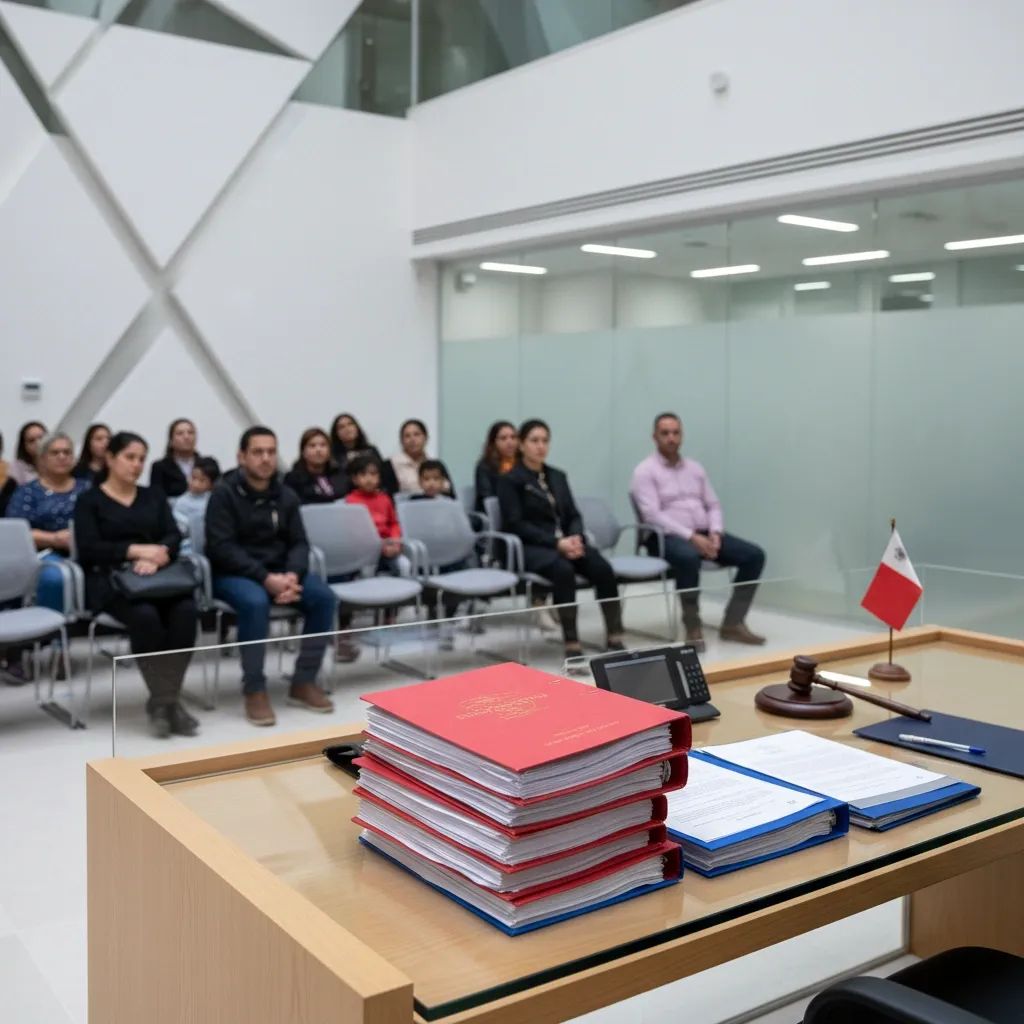
Abdi, a Somali national with no fixed address, was arraigned at 8 a.m. before Magistrate Lara Lanfranco. Prosecutor Valentina Cassar from the Office of the Attorney General cited “circumstances indicating trafficking intent” and tabled prior convictions to sustain the recidivism charge. Defence counsel Yanika Bugeja conferred privately with the bench; the hearing ended with the magistrate asking the prosecution to file certified copies of previous judgments before handing down a sentence in March. Until then, Abdi will remain under court-imposed reporting conditions at the Floriana lock-up.
A Pattern of Street-Level Busts in 2026
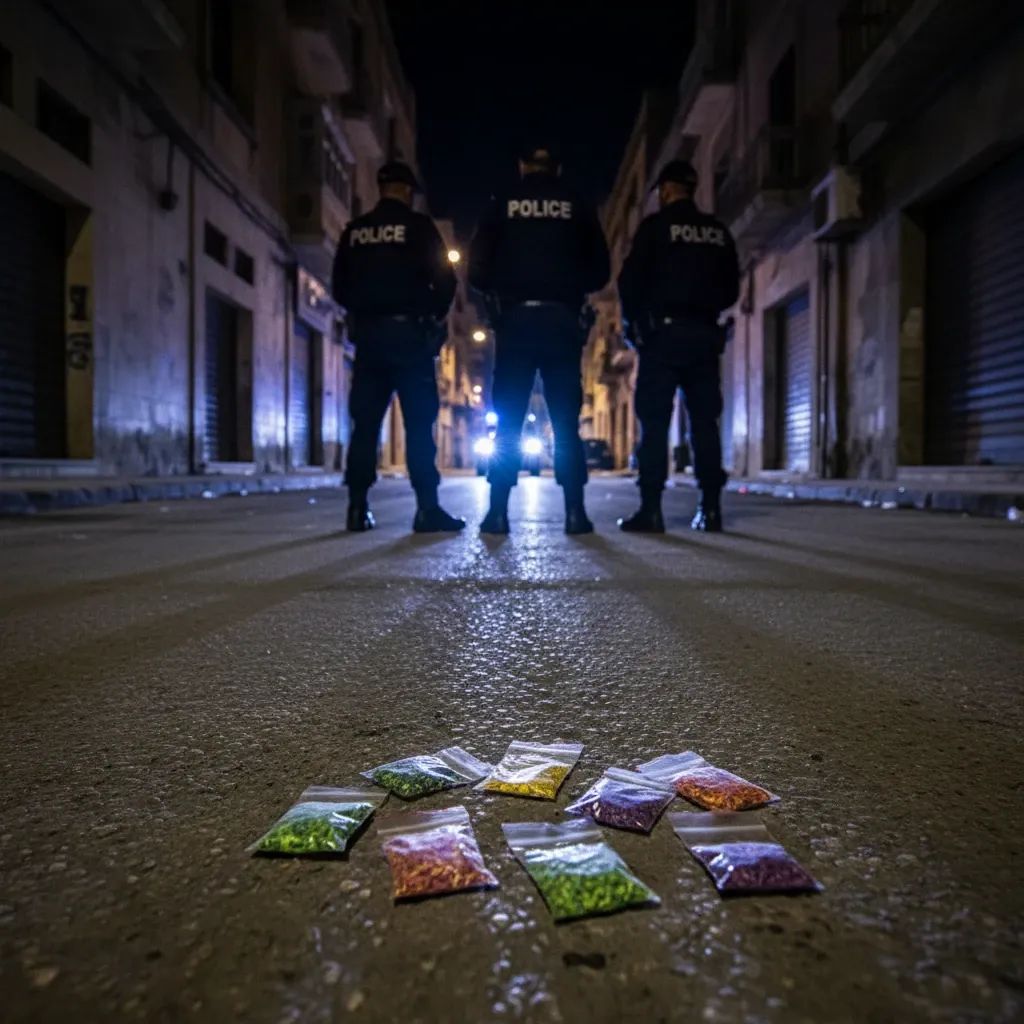
Just 24 hours earlier, the Drug Squad stopped two other Somali men in Marsa, confiscating 67 sachets and an undisclosed stack of € notes. Police analysts say the locality sits on a key distribution corridor that links the Grand Harbour, casual labour hostels and the Valletta bus interchange. January’s statistics already show five synthetic-cannabis investigations in the first six weeks of the year, compared with two during the same period in 2025.
Synthetic Cannabinoids: Small Package, Big Risk
Health specialists from the Medical Association of Malta warn that today’s lab-made cannabinoids—marketed as Spice, HHC-C9 or THCJD—can be 50 times more potent than natural THC. Reported Maltese cases include liver failure, heart attacks, psychosis and aggressive outbursts lasting hours. Because the chemicals bind more tightly to CB1 receptors, an ordinary-looking sachet can trigger symptoms closer to hard-drug overdose than to a mild cannabis high. The EU Drugs Agency lists at least 30 synthetic formulas currently circulating in the bloc; Malta has black-listed 15 of them since 2024.
Enforcement Strategy: Zero-Tolerance Meets Rehabilitation
The Authority for the Responsible Use of Cannabis (ARUC) adopted a “no loopholes” policy last spring, classifying every lab-made derivative as a Schedule I narcotic. That move armed the Malta Police Anti-Drug Squad with wider search powers and pushed simple possession files toward the Drugs Court, where judges balance incarceration with treatment orders. Repeat offenders such as Abdi, however, face a minimum €750 fine and up to 7 years in jail, especially when the court rules the intent was trafficking rather than personal use. ARUC’s CEO has signalled another legal notice will follow this quarter to outlaw newly detected compounds.
What This Means for Residents
• Heightened street patrols in Marsa, Floriana and St Paul’s Bay will likely remain visible through Easter; expect more identity spot-checks around bus hubs after dark.• Retailers caught selling herbal mixes or vaporiser liquids that test positive for banned cannabinoids risk immediate closure and licence revocation by ARUC inspectors.• If you use cannabis associations (CHRAs), verify that products bear the ARUC traceability QR code; synthetic contaminants void liability coverage and could expose members to arrest.• Witnessed dealing in your neighbourhood? Dial 119-DrugSquad—anonymous tips have already driven two arrests this month.
Support vs Punishment: A Fork in the Road
Charities such as Caritas Malta, Sedqa and YMCA Homeless argue that episodic jail spells rarely solve underlying issues of addiction, mental health and destitution. Their shelters in Żebbuġ and Msida now run harm-reduction dormitories where residents can access detox beds, counselling and job-placement coaching. Budget proposals for 2026 include a pilot “low-threshold clinic”—an outreach van bringing medical staff directly to Marsa’s informal housing blocks. Lawmakers are also weighing an expansion of the Drug Dependency (Treatment not Imprisonment) Act so that first-time synthetic-cannabis users qualify for community rehabilitation instead of prosecution.
The Road Ahead
The magistrate’s March ruling will be watched closely by lawyers and NGO case-workers alike; it could clarify whether courts intend to escalate penalties for repeat synthetic-cannabinoid offenders or steer them toward structured therapy. Meanwhile, ARUC’s forthcoming amendments promise to keep Malta’s policy armoury one step ahead of clandestine chemists. For residents, the take-away is simple: legal cannabis is tightly regulated, and anything else—especially colourful sachets sold under the counter—invites both health dangers and legal jeopardy.