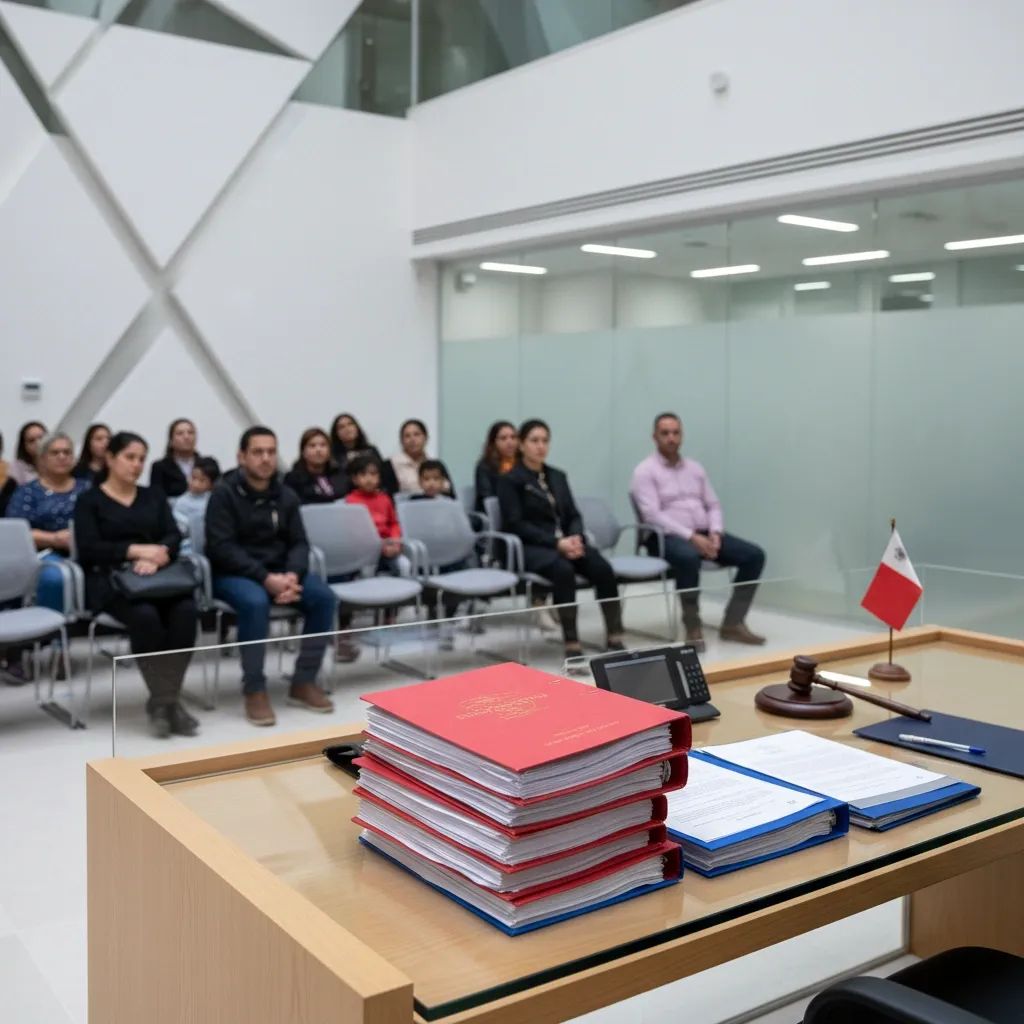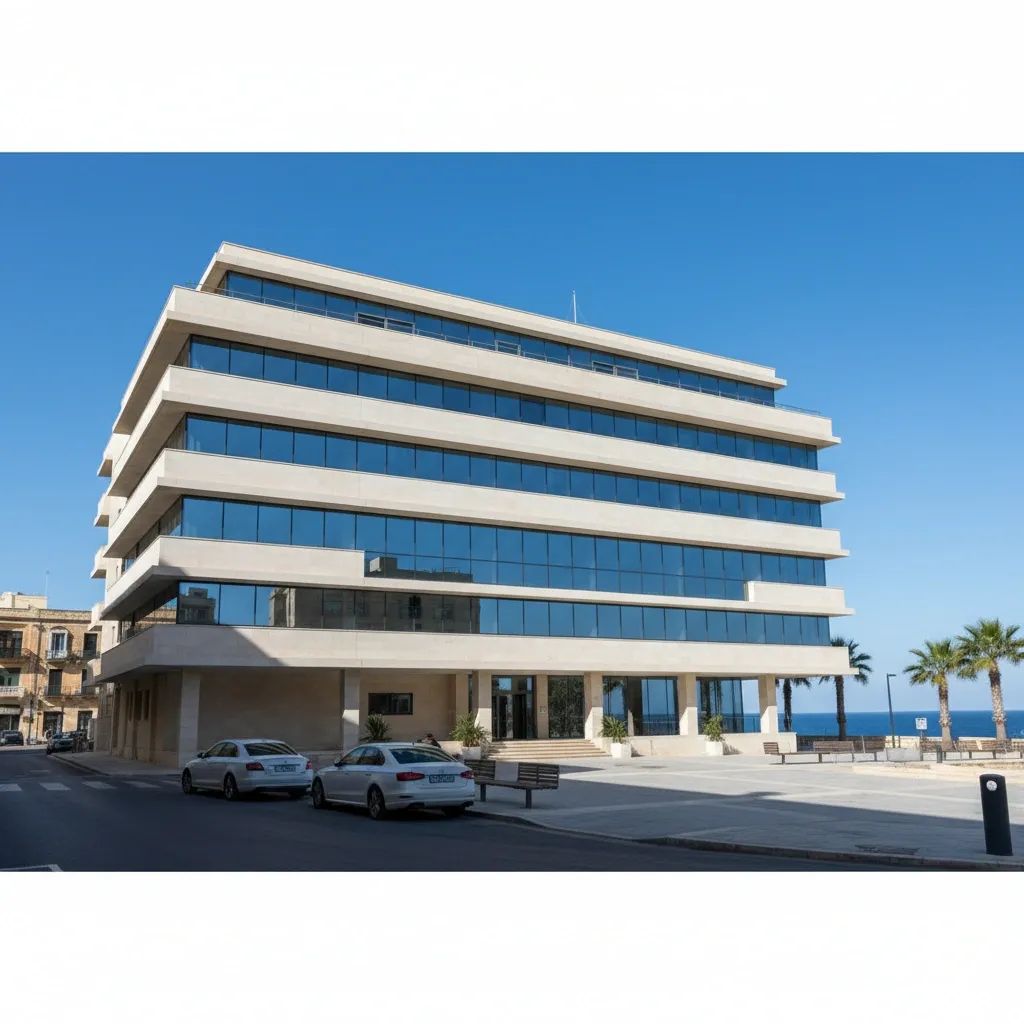
The St Paul’s Bay Local Council has filed the long-awaited full application for a seven-storey civic hub, a move that could finally deliver under one roof the social, health and administrative services that Malta’s most populous town has lacked for two decades.
Why This Matters
• Centralised public services – elderly day care, homeless shelter, council offices and a library in one walk-in building.
• Parking relief – two underground levels aim to remove roughly 80 cars from street level in a zone notorious for gridlock.
• Property values & business footfall – better amenities often translate into higher rent yields and new cafés or shops around the site.
• Still awaiting final Planning Authority sign-off – residents can object or support before the decision window closes.
From Vacant Plot to Community Anchor
The project targets a 1,200 m² parcel at the junction of Triq San Ġorġ and Triq Emanuele Pinto, a dusty lot transferred to the council in 2024 via a devolution deal. For years the space has been little more than an informal car park bordered by takeaways and holiday flats. St Paul’s Bay, now topping 32,000 registered residents and many more seasonal workers, has repeatedly scored lowest in regional audits for accessible civic space. A 2006 council paper first floated the idea of a “one-stop centre,” but funding, land ownership and design disagreements stalled progress until Mayor Vincent Galea restarted talks during the last legislature.
Planners say multi-storey public buildings are now the norm in Malta’s dense coastal towns. Land scarcity and the push to create walkable neighbourhood nodes make vertical design the fastest route to social infrastructure without sacrificing what little open space remains.
Inside the Proposed Building
Architectural drawings attached to application PA/08362/25 map out a stack of purpose-built floors:• Ground & 1st floors – a community policing desk, regional council offices and a small clinic intended for flu shots and basic screenings.• 2nd floor – a public library with study pods, replacing the cramped room currently shoe-horned into the parish centre.• 3rd floor – an elderly day centre offering hot meals, physiotherapy corners and respite activities.• 4th & 5th floors – a night shelter for eight homeless people, each level containing four bedrooms, shared kitchen-living area and disability-friendly bathrooms.• 6th floor rooftop – a solar-panel array and a modest terrace earmarked for community gardening workshops.
Below grade, two basement levels accommodate roughly 80 parking spaces, charging points for electric vehicles and secure bike racks – a small but symbolic gesture toward greener mobility in a town flooded by rental scooters and ride-hailing vans.
Lessons from Recent Maltese Builds
Officials insist they are applying insights from projects such as Valletta’s intergenerational housing block and Dar Tereża in Bormla. Key takeaways include energy-efficient systems, wheelchair accessibility, on-site social workers, and – crucially – early public consultation to avoid the backlash that haunted the planned Pembroke Civic Centre.
Post-occupancy studies presented by the Housing Authority show that shared terraces, natural light, mixed-age programming and NGO partnerships significantly improve user satisfaction and cut long-term maintenance costs. Planners for St Paul’s Bay say the design has already pencilled in photovoltaic panels, grey-water recycling, and lift dimensions suitable for stretchers, ticking several of those boxes.
What This Means for Residents
• Shorter queues – council paperwork, minor medical checks and police reports handled in one building could save a morning’s worth of bus hops.• Safer streets after dark – a supervised shelter dissuades rough sleeping in shop doorways, boosting the sense of security for restaurant staff ending late shifts.• Elderly independence – families juggling work can drop relatives at the day centre, reducing dependence on costly private carers.• Possible construction disruption – if approved, excavation for the two parking levels will likely trigger noise and dust for at least 18 months; nearby residents should watch for mitigation guarantees in the permit conditions.• Job openings – the hub is projected to create dozens of posts, from librarians to social workers and maintenance crews, all within commuting distance.
Next Steps and How to Have Your Say
The Planning Authority portal lists the file under “Full – processing complete” status. That means the case officer’s report is drafted, and a board hearing could be scheduled within weeks.
Residents can still submit representations via pa.org.mt or inspect physical plans at the St Paul’s Bay council offices. Expect questions on traffic impact, building height relative to neighbouring blocks, and the visual treatment of the façade.
Should the board grant approval, tendering for construction would follow, with insiders suggesting a 2027 opening if procurement runs smoothly. Any appeals – from neighbours or environmental NGOs – could stretch that timeline. For now, the council is urging locals to “claim ownership” of the scheme, arguing that continuous feedback is the best insurance policy against another decade of delay.