The Malta Public Works Department has fielded 92 formal damage reports from 24 local councils in the wake of Storm Harry, accelerating a nationwide clean-up that will tap into €1 million in emergency funds and could reshape beloved coastal spots such as Għar Lapsi.
Why This Matters
• Grant applications close 24 March – households and small firms have a month to file for up to €5,000 in uninsured damage relief.
• Public safety first – several promenades and country roads remain partially closed while crews shore up rubble walls and remove unstable trees.
• Have your say on Għar Lapsi – the government’s online portal is open until 24 February for anyone wishing to propose how the bay should be rebuilt.
• Future-proof repairs – geologists insist that any coastal works factor in the Magħlaq Fault; shortcuts today could mean repeat closures tomorrow.
From Wind Damage to Paperwork: Where Repairs Stand
For 48 furious hours between 19 and 21 January, Storm Harry whipped Malta with gusts topping 100 km/h. The fallout ranged from toppled tamarisk along the Sliema front to smashed fishing gear in Marsaxlokk. By mid-February, every council on the island had been instructed to log issues that either endanger residents or block access. The running tally: 92 entries, most concerning collapsed garden walls, blocked rural lanes, and shattered street furniture.
Teams from the Roads & Infrastructure Directorate are triaging jobs. Priority Level 1 sites—where rock overhangs or dangling balconies pose a threat—are being fenced off and fast-tracked for repairs within two weeks. Lower-risk clean-ups, such as clearing seaweed from St Thomas Bay car park, are pencilled in for early March.
Funding the Fix: What Money Is on the Table?
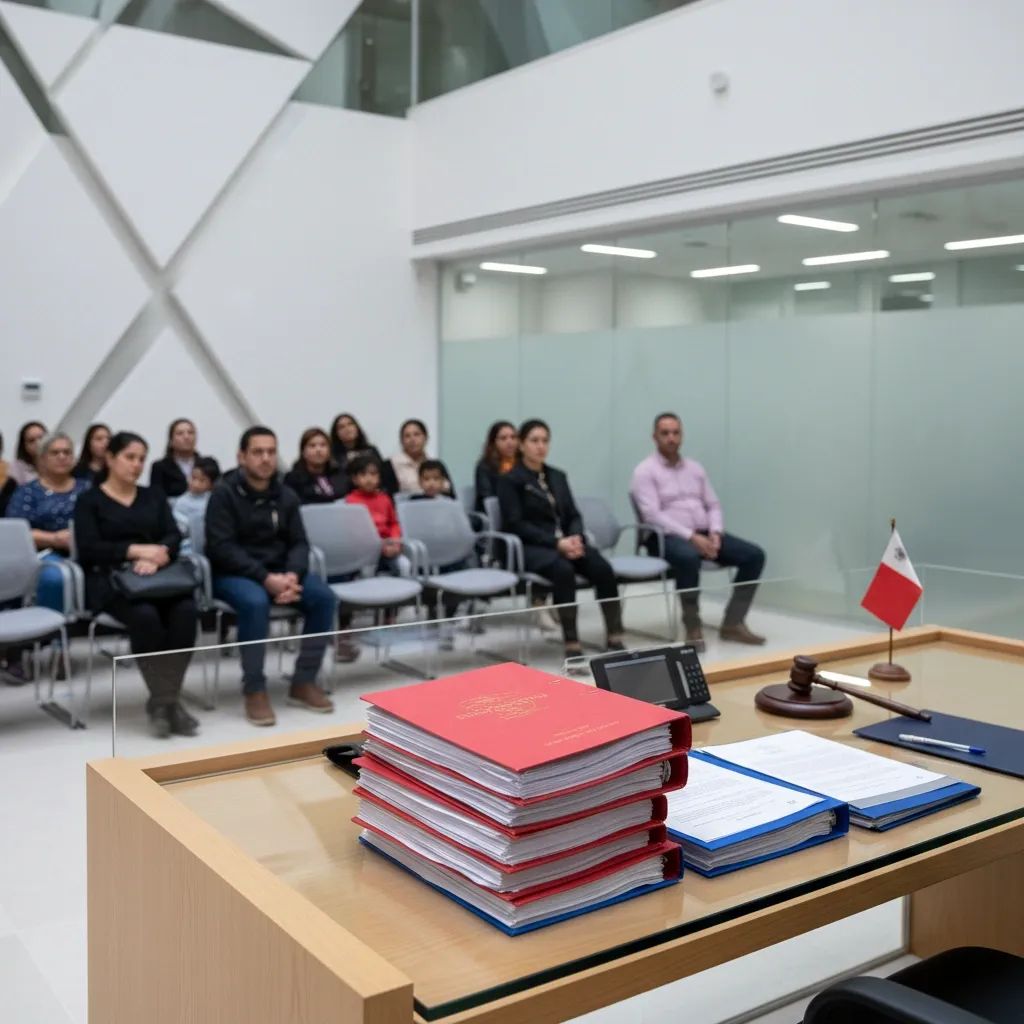
To cushion private losses, Transport Malta carved out a €1 million storm-relief pot from its fines-funded CSR account. Residents, micro-businesses, and NGOs may claim up to €5,000 each for uninsured outlays—think garage doors, shopfront glass, or damaged delivery vans. Paperwork must include photos, two repair quotations, and a sworn declaration that no insurance payout is pending.
Parallel schemes will channel aid to larger employers through MicroInvest rebates and the Business Development Scheme. Farmers nursing battered greenhouses can meanwhile expect a bespoke package from the Agriculture Ministry once field surveys wrap up in March.
Companies operating from irregular structures face a caveat: compensation covers only the portions already sanctioned by the Planning Authority, unless owners commit to full regularisation within a year.
Għar Lapsi’s Future: Ideas on the Table
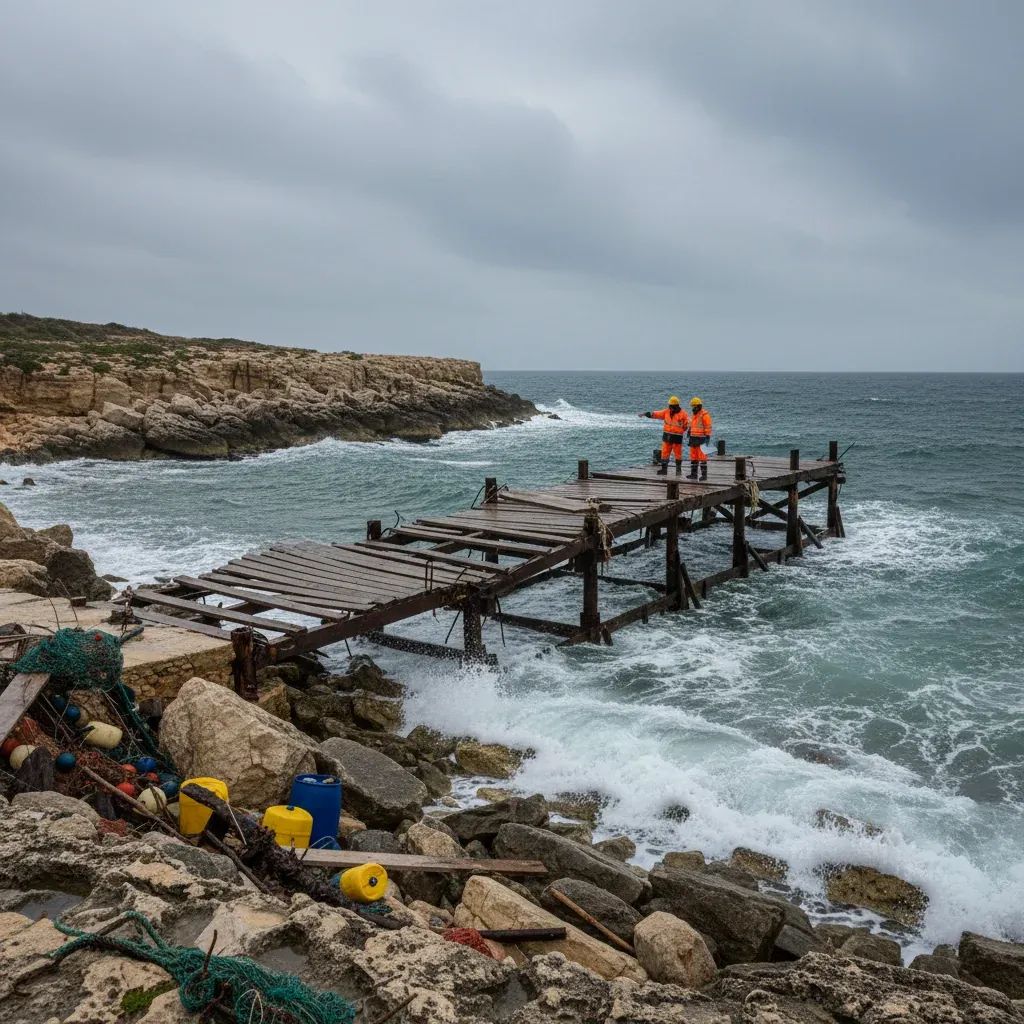
Few places illustrate the storm’s brute force like Għar Lapsi in Siġġiewi, where waves punched holes in slipways, mangled a long-standing seafood eatery, and scattered boat debris across the cove. The ministry’s consultation, “Għar Lapsi – Back to the People,” has attracted around 170 submissions so far. Popular suggestions include:
• replacing the lost jetty with a floating pontoon to absorb future swells;
• carving out step-down rocky terraces for sunbathers rather than pouring new concrete;
• installing a tidal pool that doubles as a fish nursery.
Council officials say every proposal will be published online after 24 February, with concept designs expected by early summer. Any final blueprint must still clear an Environmental Impact Assessment and a fresh geological sign-off.
Science First: The Geological Question
Geologists warn that quick cosmetic repairs could crumble if the underlying rock—mostly Globigerina Limestone flanked by the Magħlaq Fault—isn’t stabilised. The Coastal & Flooding Unit has already closed cliff-edge paths and commissioned a drone-based survey. Preliminary lidar scans show fresh fissures extending several metres inland. Experts from the Chamber of Geologists advocate for a National Geological Service to become the statutory gatekeeper for any coastal reinforcement, arguing that “piecemeal fixes” will be money down the drain.
What This Means for Residents
Check eligibility now – If your insurance refused pay-out, download the Storm Harry Relief Form from Transport Malta’s website. Keep receipts; digital copies are acceptable.
Expect detours – Sections of the Marsascala promenade and the Żebbuġ-Mdina rural road will stay closed through March. Factor extra travel time.
Voice your vision – To influence Għar Lapsi’s redesign, submit feedback via the Servizz Pubbliku portal before midnight 24 February.
Safety over selfies – Disregarding barriers around cliff areas could void insurance should an accident occur. Authorities are monitoring with drones and patrols.
Storm Harry may have been brief, but the recovery will stretch for months. With funding streams unlocked and scientific studies underway, Malta’s challenge is to rebuild stronger—before the next winter gale tests the islands again.