The Vatican has stripped St Peter’s Monastery in Mdina of its canonical status, clearing the way for a new administrator to decide the fate of one of the walled city’s most coveted properties.
Why This Matters
• Heritage landmark in limbo – The monastery is a scheduled national monument; any change of use will require Planning Authority consent.
• Invalidated 50-year rental contracts – Two private tenants who thought they had a bargain lease at <€2,000 a month now face eviction or renegotiation.
• €4,000 monthly subsidy ends – Public funds routed through the Archdiocese will stop, shifting maintenance costs to the new Benedictine administrator.
• Potential tourism & housing ripple – The 3,000 m² complex sits at Mdina’s main gate; redevelopment could alter visitor flows and local property prices.
How We Got Here
For decades St Peter’s Monastery functioned under a special arrangement forged in the 1980s, when Archbishop Joseph Mercieca centralised several cloistered orders and promised a €4,000 monthly stipend to keep the ageing buildings habitable. By 2025 only one Benedictine nun, Mother Abbess Maria Adeodata Testaferrata De Noto, remained. In 2024 she quietly signed two 50-year leases with private individuals, each at a rent lower than many two-bedroom flats in Rabat. Church law requires Vatican sign-off for such deals; none was sought.
The Disputed Leases
Canon lawyers in Valletta say the contracts are now "null and void" because they bypassed the mandatory approval of the religious order’s superior and the Holy See. Tenants who have already invested in refurbishments could sue for damages, but Maltese civil courts normally uphold the Vatican’s internal governance on ecclesiastical property. Legal observers expect a negotiated buy-out rather than a public courtroom battle, mainly to avoid prolonged vacancy of a heritage site prone to damp and structural decay.
What Happens to the Building
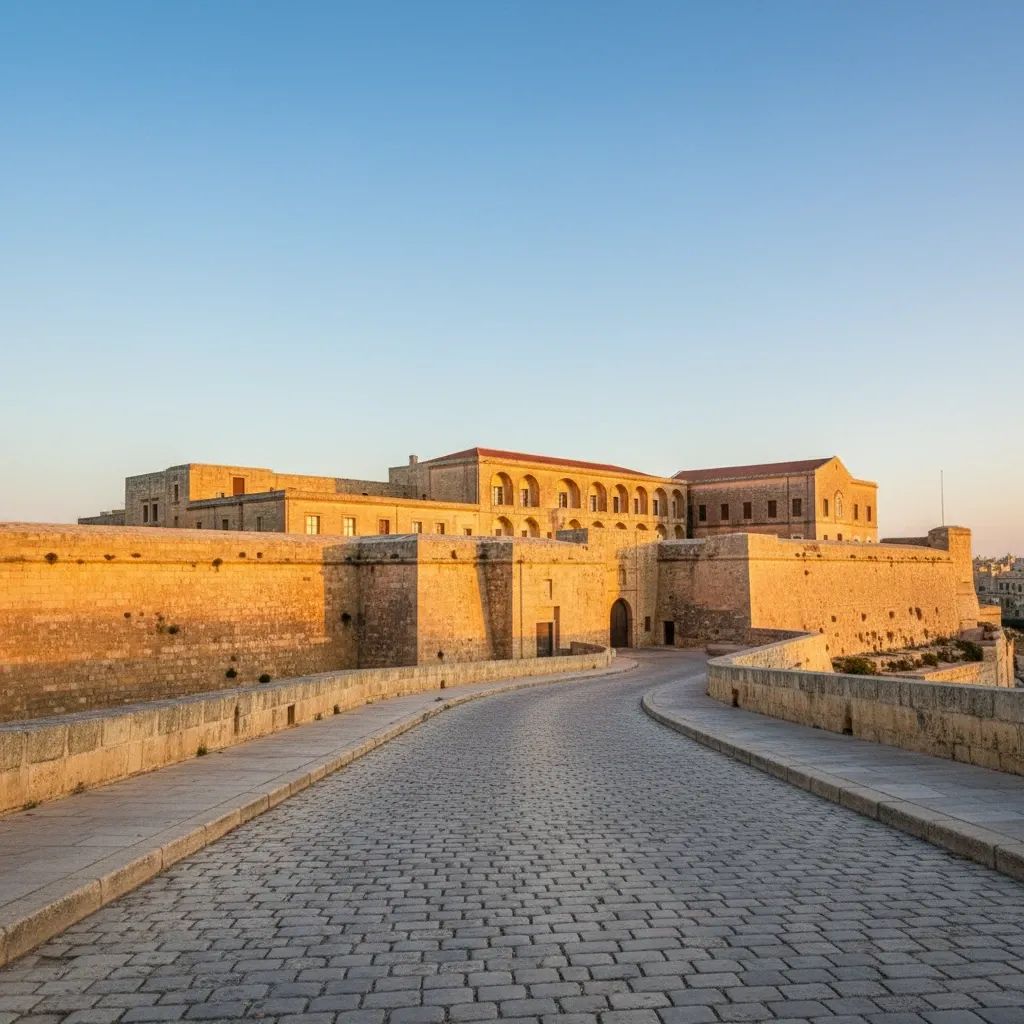
St Peter’s occupies roughly one-quarter of Mdina’s frontage opposite the Greek Gate, including a 16th-century church, cloister garden and multiple outbuildings. Under Maltese law it enjoys Grade 1 protection, meaning no external alteration is allowed without Cultural Heritage Advisory Committee consent. The newly appointed overseer, Abbot Primate Fr Jeremias Schröder OSB, must now choose between three broad options:
Restore the cloister for a fresh community of Benedictine sisters.
Partner with Heritage Malta to create a museum or cultural centre.
Seek a commercial long-lease for boutique accommodation, subject to tight planning rules.
Local estate agents whisper the site could generate €20,000-€25,000 in monthly revenue if converted into high-end hospitality – ten times the nun’s controversial contracts – but any commercial scheme would face intense scrutiny from residents wary of over-tourism.
What This Means for Residents
• Short-term quiet – Daily monastic bells have ceased; Mdina’s soundscape may change subtly, but large-scale construction noise is unlikely before 2027.
• Traffic management – Should redevelopment proceed, the Local Council is expected to demand strict limits on delivery trucks entering the Silent City, similar to Palazzo Vilhena’s restoration permit.
• Property ripple effect – A premium project could lift surrounding house prices; conversely, a non-profit cultural venue would stabilise, not inflate, the market.
• Public access window – While the site changes hands, the Planning Authority often mandates temporary open days. Residents may soon get a rare look inside the cloister garden that has been sealed for centuries.
Next Steps & Timeline
Abbot Schröder is due in Malta next month for a site survey. The Archdiocese’s legal office will simultaneously notify the two private tenants that their leases are invalid. If they vacate promptly, a formal handover to the Benedictines could finish by early summer. The earliest any new use-change application could reach the Planning Authority docket is Q4 2026, meaning no cranes or jack-hammers are expected before 2027.
For now, St Peter’s Monastery stands empty – a silent prize at the gate of Mdina, awaiting its next chapter amid Malta’s ever-tight real-estate chessboard.