
Europe's Energy Challenge: What It Could Mean for Malta
At the European Council summit held in Brussels on March 19-20, 2026, Roberta Metsola, President of the European Parliament and Malta's most visible representative in top-tier EU decision-making, addressed continental leaders about a pressing concern: rising energy prices linked to geopolitical instability in the Middle East. While Metsola stopped short of declaring an immediate crisis, her message was clear—energy affordability will require decisive policy action across Europe, with implications for households and businesses in Malta as well.
The Core Issue: Middle East Disruptions and Energy Markets
The Strait of Hormuz, a narrow waterway between Iran and Oman, ordinarily carries roughly 20% of the world's crude oil and a substantial portion of global liquefied natural gas destined for international buyers. Military activity in the region has disrupted commercial tanker traffic through this passage, forcing energy traders to reroute shipments via longer, costlier routes. For energy-dependent economies like those across Europe, this distant maritime disruption creates real pressure on fuel and electricity costs.
European power generation relies substantially on imported fossil fuels. When global energy markets tighten due to supply disruptions, prices climb. For Malta—an island with zero domestic fossil fuel reserves—rising global energy costs are ultimately reflected in household electricity bills and business operating expenses through the state-owned electricity utility Enemalta, which purchases fuel on international markets at prevailing rates.
What Metsola Told EU Leaders (And Why It Matters for Malta)
Metsola's intervention at the European Council focused on three interconnected themes with relevance to Malta's economic situation.
First, she acknowledged that Europe's energy diversification efforts—investing in renewable energy, building LNG storage capacity, and securing new supply contracts—have improved the continent's resilience. However, she cautioned that this progress remains incomplete. For Malta specifically, projects like the planned electricity interconnector to Italy and expanded LNG terminal capacity represent ongoing efforts to reduce vulnerability to price volatility, though they are not yet fully operational.
Second, Metsola linked energy affordability directly to European economic competitiveness. A continent struggling with elevated energy costs faces difficulty maintaining industrial output and competing globally. This framing moves beyond technical energy debates into strategic territory: for smaller economies like Malta dependent on international trade and tourism, European-level energy stability is not a luxury but a prerequisite for economic performance.
Third, she advocated for streamlined regulation. European firms navigate dense compliance requirements across environmental standards, labor directives, and technical regulations. While these rules serve legitimate purposes, their cumulative weight can increase operational costs—a particular challenge for smaller markets with fewer resources to absorb regulatory overhead. Metsola called for "targeted legislation with clear deadlines," a deliberate push back against regulatory complexity that disproportionately burdens smaller economies and enterprises.
Potential Policy Responses: What Could Help
The European Commission has outlined various measures that member states can consider implementing to address energy price pressures. While the source material does not detail specific Malta government announcements, European guidance suggests several potential approaches:
Tax and levy adjustments represent one avenue. Many member states structure electricity taxes and related levies as part of consumer bills. EU rules permit member states to adjust or temporarily reduce excise duties on electricity without regulatory breach. Other member states have explored this option as a means of providing immediate household relief.
Supporting supplier competition offers another potential approach. The EU's "Citizens' Energy Package" encourages member states to simplify switching processes for energy suppliers, with the logic that increased competition could encourage price pressures among suppliers.
Targeted support for vulnerable households is a third consideration. Member states are developing protections to prevent disconnection of households unable to meet rising bills, with EU guidelines expected in mid-2026.
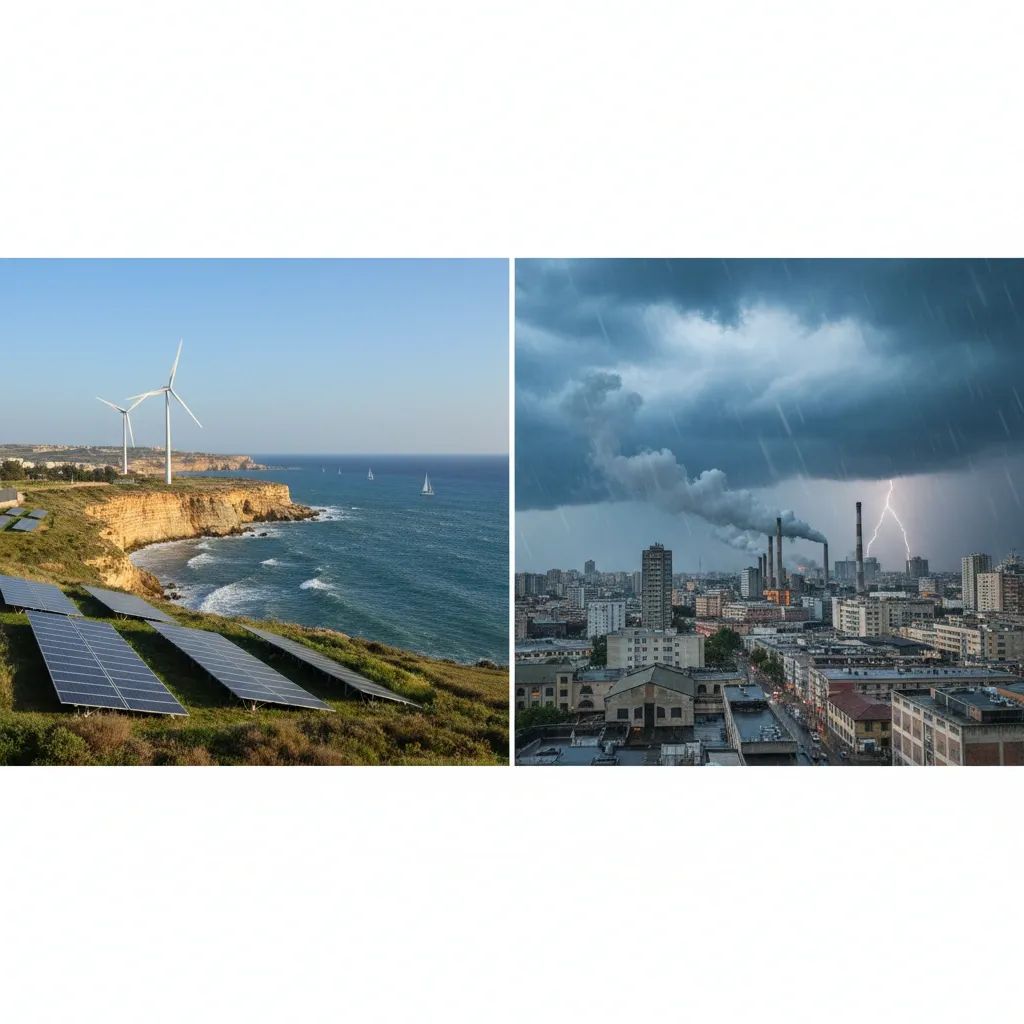
Longer-term renewable energy investment represents the foundational economic strategy. Rather than managing perpetual exposure to volatile fossil fuel markets, Europe's path to sustainable energy affordability runs through renewable electricity generation. For a sunny island like Malta, solar energy capacity expansion offers potential to gradually reduce reliance on imported fossil fuels and lock in lower long-term electricity costs.
The Bigger Picture: Competitiveness and Geopolitics
Beneath the immediate energy price discussion lies a broader concern: Europe's economic competitiveness relative to the United States and China. Manufacturing is relocating to lower-cost regions due to factors including energy costs, tax incentives, and labor expenses. For Malta—whose economy depends heavily on tourism, shipping services, and financial intermediation—European economic stability matters directly. Rising energy costs that dampen tourism demand or increase operating expenses for hotels and shipping facilities have real consequences for local employment and growth.
The Timeline and Stakes
While the European Council summit clarified that policy tools exist to address energy pressures, the urgency of implementation remains a question for individual member states. For Malta's residents and businesses, the difference between effective action and delayed response is measured in the cost of household energy bills and the operational expenses facing tourism and maritime sectors.
The challenge now lies with national governments to determine which combination of immediate relief measures and longer-term structural reforms best serves their citizens' interests.


