Gozo's Operatic Gamble Paid Off: A Decade of World-Class Productions on a Small Island
The Gaulitanus Choir turned Gozo into a serious operatic destination, and nobody expected it to work. Twelve years ago, mounting full-scale opera productions on an island of 37,000 people with a single 400-seat theater seemed wildly ambitious. Yet after a decade of performances, the festival has not only survived but earned the same international credibility afforded to Europe's established opera venues. The 2026 production of Verdi's Il Trovatore exemplifies how a small Mediterranean island managed to punch above its weight in the classical music world.
Why This Matters:
• Verdi's Il Trovatore on April 25 marks the composer's 125th death anniversary and closes the OPERA+ Weekend, three days of linked cultural programming
• The 19th edition runs March 28 to April 26, with most events free; only the main opera requires paid entry
• The Malta Philharmonic Orchestra and international conductors ensure productions rival major European festivals
• The festival now qualifies for the EFFE label, placing it alongside Vienna and Edinburgh—a remarkable achievement for a 67-square-kilometer island
How Opera Found Its Footing in an Unlikely Setting
When the Gaulitana: A Festival of Music first attempted a complete opera in 2014, skeptics outnumbered believers. The venture required securing international artists willing to travel to Gozo, convincing local audiences to engage with Italian libretti, and building production infrastructure on an island where classical music infrastructure barely existed. The calculus seemed unfavorable.
Instead, the gamble revealed untapped demand. Over twelve years, the festival has staged works by Puccini, Verdi, and Rossini, many returning to Gozo after decades of absence. Norma reappeared after a 40-year gap. Manon Lescaut hadn't been performed locally in two decades. Nabucco hadn't graced a Gozitan stage in ten years. These were not obscure historical curiosities—they were beloved masterworks that residents had only encountered through recordings or rare video screenings.
The festival's breakthrough lay partly in technical innovation. By introducing surtitles to the island, organizers made Italian and French opera accessible to audiences without formal training in these languages. This single decision democratized an art form traditionally guarded by elites, allowing someone attending their first opera to follow the plot without embarrassment or prior study.
Visual storytelling became equally important. Productions featured elaborate set designs tailored to specific works: scaffolding and Renaissance architecture for Tosca, Ġgantija-inspired stone structures for Norma, camellia flowers adorning scenes from La Traviata. These weren't generic backdrops but conceptual choices that deepened engagement with the material. For residents of Gozo, opera became not a distant European institution but a living, locally-adapted art form.
The Choir That Performed Abroad First
The Gaulitanus Choir, the organizational spine of the festival, achieved something unprecedented for a Maltese ensemble in 2017: they became the first local choir to mount a fully staged opera production outside the islands. Taking La Bohème to Sicily's Teatro Antico di Taormina—an ancient Greek theater with 10,000 seats—represented a symbolic crossing of a threshold. The ensemble wasn't importing performances; they were exporting them.
By 2024, the choir had performed Manon Lescaut at the same Sicilian venue, and this production was filmed and distributed globally. Digital streaming expanded reach exponentially: conversations about the festival no longer occurred only in coffee shops in Victoria or church halls across the archdiocese. The choir's profile expanded significantly within international opera circles, establishing Gozo as a recognized player in Europe's classical music landscape.
The pandemic, briefly, threatened this momentum. Instead of canceling, the festival pivoted to digital formats. A virtual series called "Viva Verdi" amassed over 210,000 online views, proving that cultural institutions on small islands could adapt to disruption without sacrificing artistic standards. When in-person performances resumed, audiences returned—and they brought friends.
What Visitors Will Encounter in 2026
This year's festival emphasizes choral programming, reflecting organizational roots. The opening event pairs the Gaulitanus Choir & String Ensemble with the Silesian Chamber Choir Ad Libitum, a Polish ensemble, presenting British-American repertoire alongside Fauré's Requiem. On Palm Sunday, the Silesian choir animates Mass with Mozart's Coronation Mass, blending liturgical tradition with concert-hall ambition.
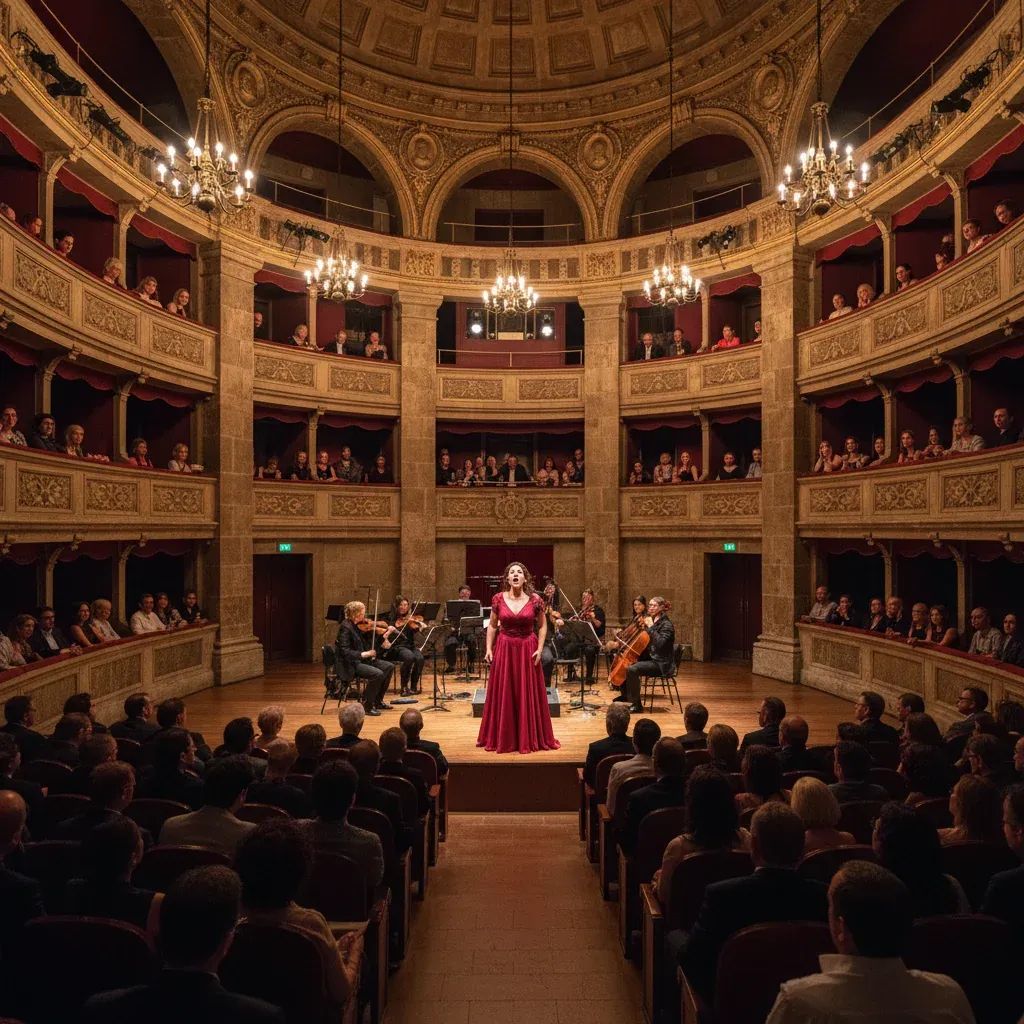
The centerpiece remains Verdi's Il Trovatore on April 25, conducted by Colin Attard with direction by Enrico Castiglione. Attard has become synonymous with the festival's musical direction, his work with orchestral ensembles providing consistency across a decade of productions. Castiglione, an Italian director, brings theatrical sophistication—his stage directions are never merely decorative but serve the emotional core of each work.
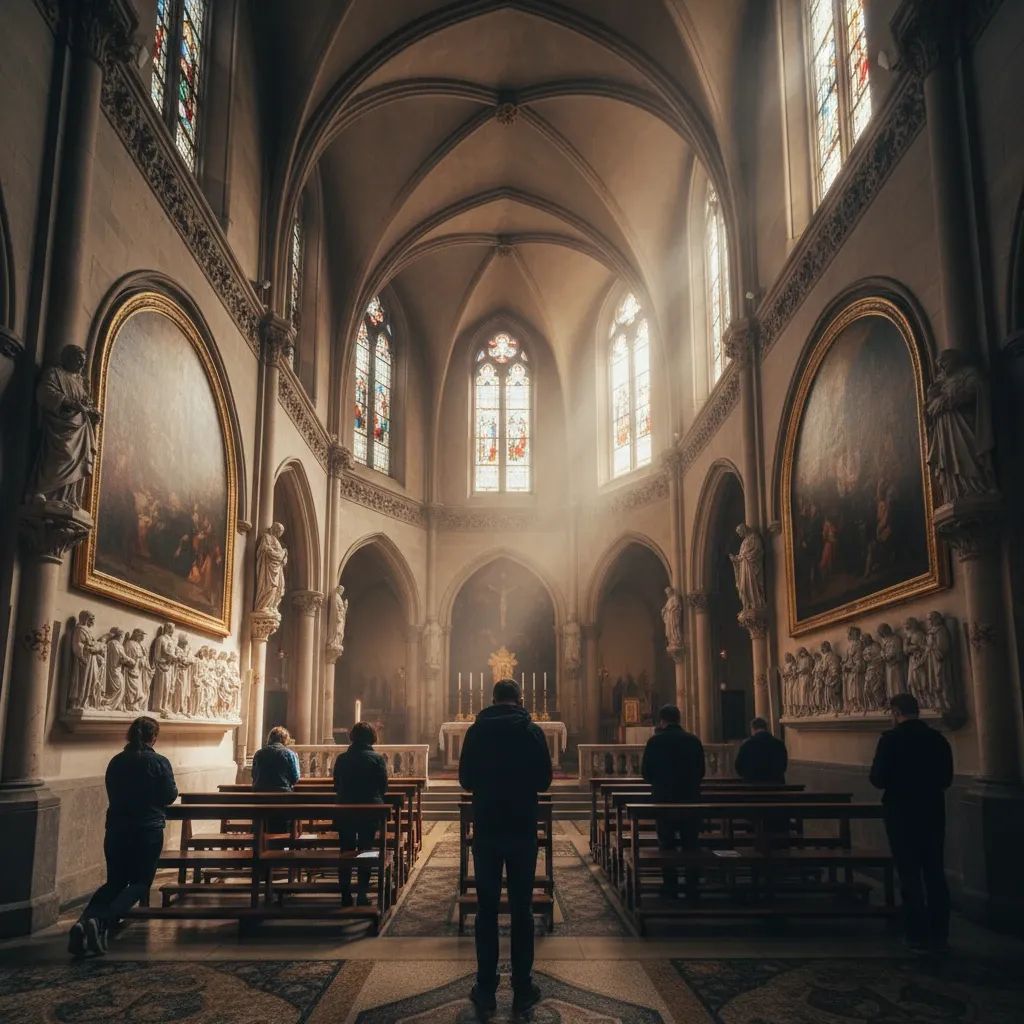
Surrounding the main opera, the festival scatters chamber concerts across Gozo's heritage sites. Maria Conrad, a violinist based in Malta, teams with musicians from Spain's Adda Simfònica Alicante for "Trío de España." Cellists Daniel Xuereb and Hungarian musician Ákos Kertész present "Tones of Reflection," a Baroque-inspired program. These smaller events, often held in baroque churches or open-air piazzas, serve a specific function: they allow residents and travelers to experience live classical music without the formal atmosphere or ticket price of the main opera.
The GAULearn educational program runs parallel to all performances. This initiative targets school-aged children through workshops introducing orchestral instruments, vocal techniques, and stagecraft fundamentals. Earlier iterations included "#Opera4me," which brought groups of students backstage, demystifying the technical machinery beneath operatic spectacle. The underlying premise is straightforward: expose young audiences to live performance early, and a fraction will develop lifelong engagement with classical music.
Why a Small Island Can Compete With Established European Festivals
Gaulitana's positioning among Europe's major festivals seems incongruous until you examine its competitive advantages. Major festivals in Verona, Aix-en-Provence, and Vienna operate within centuries-old operatic traditions and budgets exceeding several million euros annually. They inherit infrastructure, wealthy donor bases, and audiences with inherited cultural capital.
Gaulitana functions differently. It operates as both curator and evangelist, introducing works to audiences encountering them for the first time. When a Verona audience attends La Traviata for the fifteenth time, they arrive with fixed expectations. When a Gozitan attends the same work, they experience discovery. This psychological advantage—the novelty of serious operatic production on their own island—generates enthusiasm that established markets with repeat audiences experience differently.
The island's geography reinforces this advantage. Venues cluster within a 20-minute drive: the Teatru tal-Opra Aurora in Victoria, baroque chapels in Għarb and San Lawrenz, outdoor piazzas in Fontana. Attendees can experience multiple performances daily without exhausting transportation logistics. This density of programming, combined with Gozo's UNESCO World Heritage sites and Mediterranean culinary reputation, positions the festival within a broader cultural tourism package. Visitors arrive for archaeology and cuisine, remain for opera.
Institutional recognition validated this trajectory. The festival earned the EFFE label (Europe for Festivals, Festivals for Europe) from the European Festivals Association, a certification granted to events demonstrating artistic excellence and community engagement. This places Gaulitana alongside established European institutions—not as a provincial imitation but as a proven competitor.
Economic Realities and Accessibility Trade-offs
Precise economic impact studies specific to the festival remain unpublished, but tourism data suggests meaningful activity. Festival events average between 2,000 and 10,000 daily attendees across multiple venues during the April window, a significant number for an island with limited accommodation capacity. Hotel occupancy during the festival period typically exceeds baseline figures, indicating visitor attraction outside regular tourism cycles.
The Malta Ministry for Gozo, Arts Council Malta, and the Gozo Cultural Support Programme provide institutional funding, signaling governmental recognition of cultural value. Corporate sponsorships supplement public money. Yet organizers deliberately maintain accessibility as a organizing principle: most events excluding the main opera production remain free or require minimal donations. This two-tiered model—revenue from the flagship production, accessibility for ancillary programming—balances financial sustainability with cultural democracy.
The trade-off is intentional. Charging admission to every event would optimize revenue but would shrink audiences. By making peripheral programming free, organizers capture residents unlikely to purchase opera tickets but receptive to chamber concerts or educational workshops. This broadens the festival's cultural footprint beyond traditional opera enthusiasts.
Sustaining Momentum Into a New Decade
The festival's second decade raises practical questions. Can Gozo consistently attract international singers willing to perform in a 400-seat theater rather than Milan's La Scala? Will educational programs successfully cultivate younger audiences, or will opera remain a taste inherited from older generations?
Early indicators suggest cautious optimism. Ticket sales for Il Trovatore began in February 2026 and progressed steadily through March, indicating sustained public interest. The Malta Philharmonic Orchestra's continued involvement ensures orchestral standards remain competitive with established venues. Castiglione's continued directing suggests artistic continuity without creative stagnation.
For residents and visitors planning attendance, the logistics are straightforward. The April 25 Il Trovatore production requires purchased tickets, available online or via dedicated helpline. Surrounding events—pre-performance lectures, post-show discussions, chamber concerts, educational sessions—remain free and open to the public. This accessibility allows participation across economic lines, reinforcing the festival's commitment to cultural inclusion alongside artistic excellence.
What began as an unlikely experiment on a small island has become a sustainable institution. The question now is whether the festival will continue to maintain its quality and reputation in the years ahead.