Residents can attend a special fashion heritage talk at Palazzo Falson in Mdina on May 12 — an intimate evening that brings together a dress historian and a veteran seamstress to explore how Malta's textile traditions are disappearing. The event is designed to document at-risk garment-making skills before they fade entirely.
The Speakers and What They'll Share
Caroline Tonna, a dress historian and multidisciplinary artist, is building a digital archive of historic Maltese garments held in private collections—a first for the islands. She'll discuss how to photograph, measure, and document clothing for preservation: button placement, seam allowances, fabric patterns. Her work focuses on garments stored in family homes and attics, pieces that have never been cataloged by museums.
Maria Muscat, a skilled seamstress, brings expertise in traditional crafts now increasingly rare: hand embroidery, pattern cutting from scratch, shoe-making, hat-making, and fabric repurposing. These are analog skills that require spatial reasoning and hands-on knowledge—disciplines that have largely moved to software in commercial fashion.
Why This Matters for Malta
Traditional garment-making methods—pattern cutting, hand embroidery, fabric repurposing—are losing practitioners as mass production dominates. Unlike museum collections, which are already cataloged, these skills live with aging craftspeople. As they retire or pass away, the knowledge disappears entirely.
Malta's textile heritage is inseparable from its history. Garments made here in the early 20th century often blended Sicilian lace, English wool, and locally woven cotton—a hybrid tradition that reflected Mediterranean trade networks and British colonial influence. As the generation remembering these practices ages, the risk is losing not just skills but the cultural memory of how Malta adapted global influences into something distinctly local.
This preservation challenge is not unique to Malta. Across Europe and beyond, traditional textile techniques face extinction. In the UK, the Heritage Crafts organization lists endangered practices including quilting in a frame and fabric pleating. In India, techniques like Mashru weaving and Rogan art are maintained by only a handful of families. The pattern is universal: industrialization undercuts hand labor on price, and younger generations pursue more lucrative careers. What makes textiles particularly vulnerable is that garments are functional items meant to be worn and eventually discarded—by the time they're recognized as historically significant, they're often too damaged to study.
European institutions have responded with digitalization, workshops, and collaborative research. The Europeana Fashion initiative creates online databases of textile collections across Europe. In Romania, the ASTRA National Museum runs handicraft workshops teaching traditional weaving and sheepskin coat construction. In Ankara, weaving workshops are reviving fabrics that had disappeared for generations. Malta's participation in this global preservation effort signals that textile crafts are now viewed as a heritage priority alongside architecture and archaeology.
What Attendees Will Learn
The May 12 conversation—structured as an intimate discussion rather than a formal lecture—will cover both how to preserve garments and why it matters. Tonna will explain documentation standards: specific lighting, backdrop materials, and measurement techniques for archival work. Muscat will likely discuss hand-finishing techniques like blind hemming and whipstitching, as well as the craft of repurposing vintage textiles—cutting down oversized garments, replacing damaged sections with period-appropriate materials, or transforming curtains into wearable pieces.
A key focus will be the challenges of private collection documentation. Many families hesitate to loan garments to museums due to concerns about insurance, conservation costs, or losing family heirlooms. A digital archive offers a practical middle ground: the garment stays with the family, but its existence and characteristics are recorded for researchers and designers.
Attendees will also gain practical insight into how garments function as historical records—what they reveal about social class, trade routes, gender norms, and even climate adaptation. A well-preserved garment, when carefully studied, is an archive in itself.
About the Venue and Series
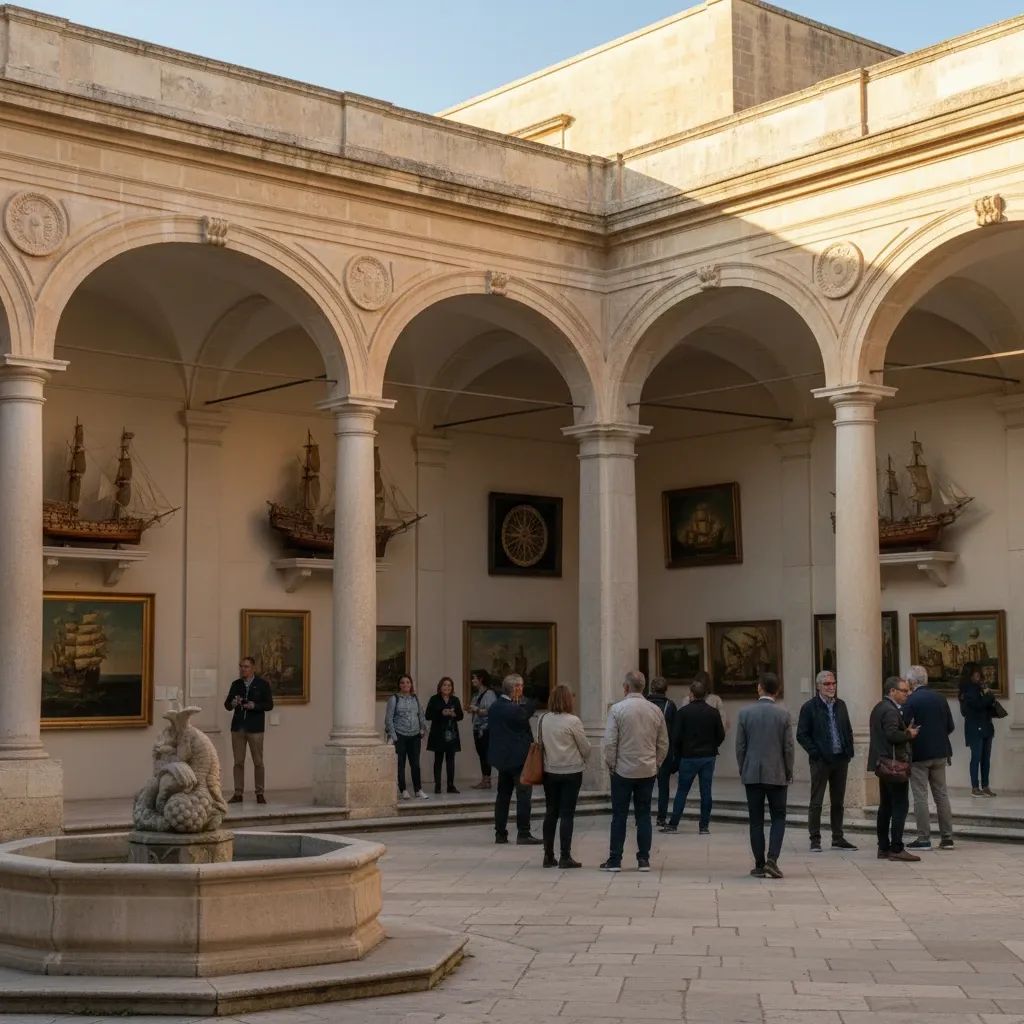
Palazzo Falson is a medieval townhouse-turned-museum in Mdina, Malta's fortified old capital. Its collection spans centuries of Maltese material culture—furniture, paintings, silverware, books—creating the ideal setting for discussing how fashion fits into everyday life across generations.
The "Dusk Dialogues" series at Palazzo Falson brings together heritage professionals, artists, students, and curious residents for intimate conversations connecting Malta's material past with its present identity. Previous events have covered architectural conservation, folk music, and other threads in Malta's cultural heritage preservation.
How to Attend
Spaces are limited and advance booking is required. Interested residents should email bookings@palazzofalson.com to reserve a spot. Doors open at 6 PM, allowing time to explore Palazzo Falson's collection before the 6:30 PM discussion begins.
The event is supported by Fondazzjoni Patrimonju Malti (Malta Heritage Foundation) and Marsovin, reflecting growing institutional commitment to textile preservation as a cultural priority for Malta.