
A parent physically attacked two senior staff members at Kalkara Primary School on Monday morning, leaving one requiring medical treatment and reigniting debates about security in Malta's schools.
The incident unfolded around 7:30am outside the primary school campus, when the headmaster and an assistant head teacher encountered a parent. The situation deteriorated into physical contact. One female staff member required medical attention at the Paola health hub for minor injuries—minor enough to avoid hospitalization but significant enough to warrant professional assessment.
The Malta Union of Teachers (MUT) clarified an important distinction: the clash had no connection to school operations. This wasn't a parent furious about a child's suspension or a grading dispute. Instead, a personal grievance spilled onto school grounds. The Education Ministry and Malta Police both launched investigations, with interviews ongoing as of publication.
What Residents Need to Know
For parents navigating Malta's state-school ecosystem, the lesson is straightforward: formal channels exist precisely to prevent escalation. Disagreements about homework, discipline decisions, or resource allocation should flow through scheduled parent-teacher conferences or written complaints to school administration. Confronting staff outside these frameworks—whether on campus or elsewhere—exposes individuals to criminal liability, including fines, suspended sentences, and restraining orders.
If you have a dispute with school staff, contact the school administration in writing or schedule a formal meeting. The Education Ministry's Directorate for Educational Services handles formal complaints. Teachers can report aggression incidents through an online reporting portal launched by the Ministry in 2019.
The Legal Framework
Malta has constructed legal protections designed to deter such assaults. Attacks on public employees, a category that explicitly includes educators in state-funded schools, now trigger elevated sentencing guidelines and mandatory financial penalties.
Recent comparable incidents reveal how the system operates. In November 2017, a parent convicted of slapping a teacher at a Cospicua primary school received a €2,500 fine, a five-month suspended sentence, and a two-year restraining order. A year earlier, a grandmother prosecuted for attacking a headmaster in Vittoriosa faced a €4,000 fine, a six-month suspended jail term, and a permanent ban from campus.
What emerges is a consistent judicial approach: financial punishment coupled with community separation through exclusion orders. Whether such measures deter future incidents remains debatable. What's clear is that prosecution depends entirely on victims electing to pursue formal charges—a burden that places emotional and logistical weight on already-stressed educators.
The Broader Context
Between 2012 and 2025, roughly 1,017 documented cases of aggression against teachers have accumulated across Malta—an average of 78 incidents yearly. Parent-initiated aggression represents approximately 29% of these incidents, according to MUT research.
Union officials maintain that official statistics systematically undercount reality. School administrators sometimes minimize or suppress incident reports to protect institutional reputation—a perverse incentive that leaves assault victims without formal recourse.
The Ministry of Education has responded with visible measures: an online reporting portal allows teachers to flag aggression directly to the Directorate for Educational Services, creating a formal trail. The Ministry has pledged to publish aggregated data annually.
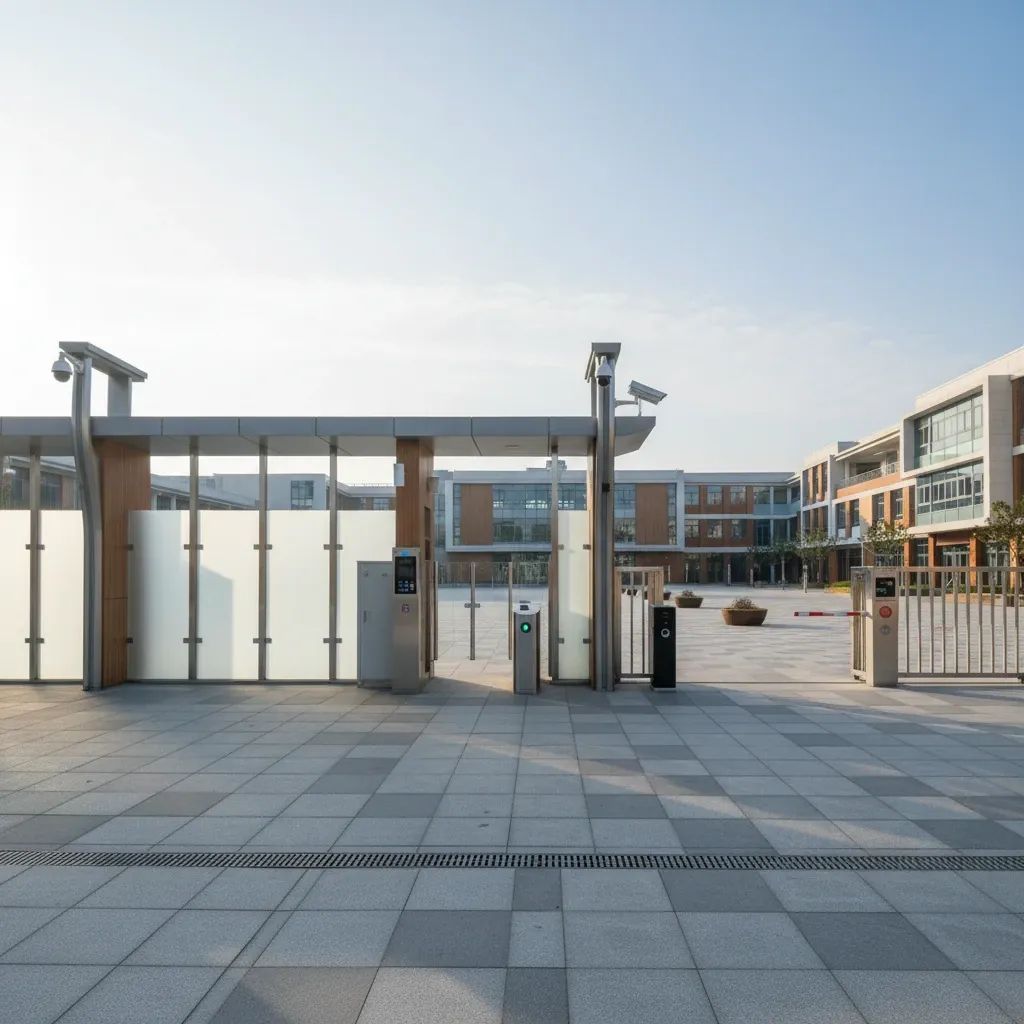
A €280,000 security investment has prioritized technological solutions: upgraded CCTV networks, controlled-access gates, alarm systems. Yet the MUT consistently advocates for what technology cannot provide: dedicated security personnel stationed during arrival and dismissal windows, when parent-staff interactions peak and supervision is most diffuse.
Why Prevention Matters
The MUT has long argued that Malta's emphasis on punishment after incidents occur sidesteps the harder work of prevention beforehand. The Ministry's official position—that security staffing should remain "proportionate"—frustrates union leadership, who interpret this language as code for perpetual understaffing.
The immediate question now centers on prosecutorial decisions. Malta Police will assess whether charges warrant filing, and if charges proceed, the case will move through the Magistrates' Court. Based on precedent, fines and suspended sentences are likely outcomes for first-time offenders.
The Systemic Reality
Kalkara Primary School will resume normal operations. The headmaster and deputy head have union support and Ministry legal assistance. The parent faces potential criminal liability. Yet the underlying vulnerability persists.
Malta remains a jurisdiction where personal rage can physically breach workplace boundaries, where institutional accountability depends on victims' willingness to absorb the emotional cost of prosecution, and where preventive infrastructure lags behind the demonstrated need.
The €280,000 investment in security upgrades represents genuine commitment to improvement. The online reporting system signals institutional acknowledgment. Yet neither measure addresses what union advocates see as the core gap: the absence of visible, trained security presence during the moments of maximum exposure. Whether this incident catalyzes meaningful staffing additions—or fades into the annual statistical tally of aggression reports—will reveal whether Malta's education system is prepared to move from response to prevention.


