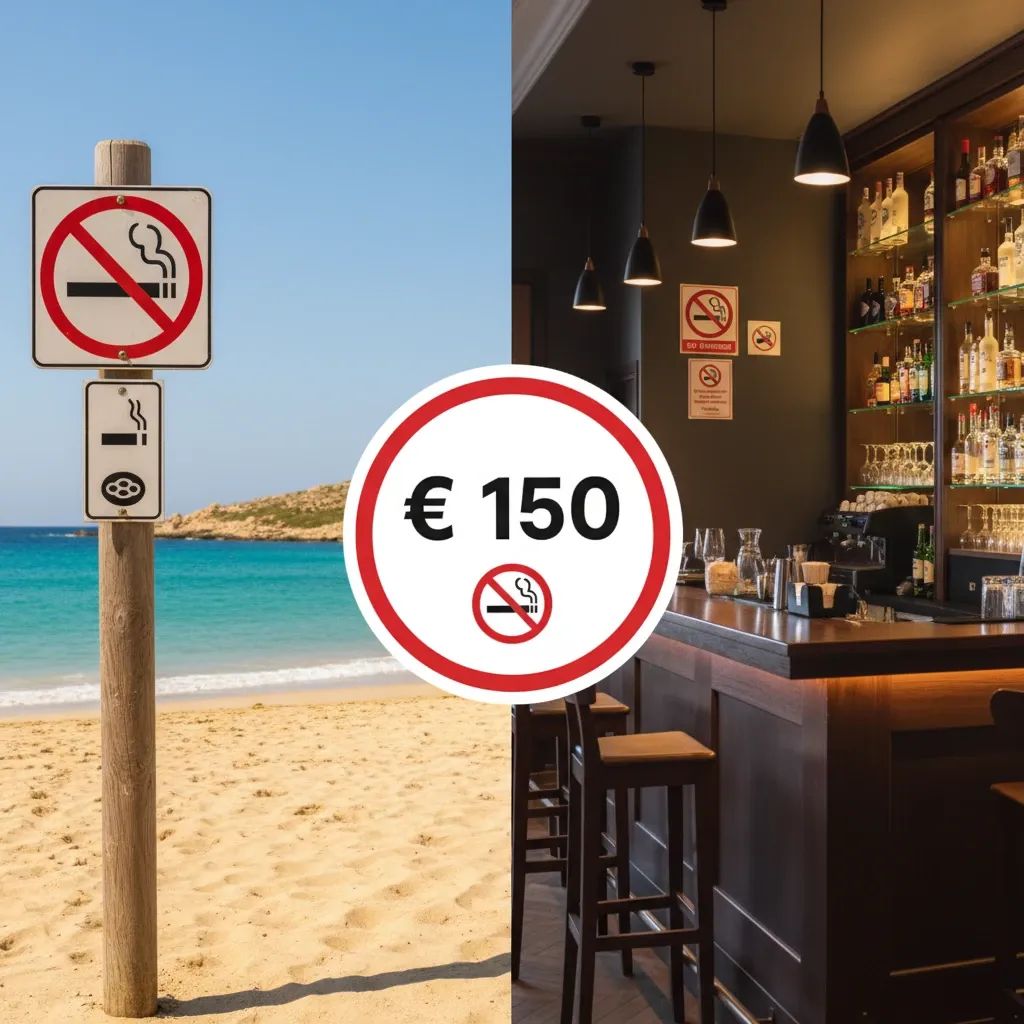
Malta will ban smoking on two popular beaches starting January 1, 2026, marking the first major expansion of smoke-free zones into outdoor public spaces since the comprehensive indoor ban took effect in 2013.
Golden Bay and Ramla l-Ħamra will become smoke-free zones with designated smoking areas, backed by €150 instant fines with no warnings. Five enforcement agencies—the Environment and Resources Authority (ERA), Malta Tourism Authority (MTA), Local Enforcement System Agency (LESA), the Malta Ministry for Health and Active Ageing, and the Executive Police—will coordinate oversight in what officials describe as a pilot project.
The beach initiative comes as new enforcement data reveals ongoing challenges with the existing indoor smoking ban. In 2025, authorities prosecuted 413 individuals and 38 venue operators for violations in bars and restaurants, despite the policy being 12 years old.
What Residents Need to Know: Current Rules and Changes
Currently banned (since 2013): Smoking is prohibited in indoor public spaces including hospitality venues (bars, restaurants, cafés), public transport, schools, playgrounds, public gardens with children's play equipment, and indoor workplaces.
Penalties for indoor violations: First-time offenders face fines ranging from €230 to €1,165. Repeat violators face escalating daily fines and potential detention in rare cases.
Starting January 1, 2026: Smoking bans will extend to Golden Bay and Ramla l-Ħamra beaches with designated smoking zones and immediate €150 fines—no prior warnings.
Free cessation support: The Health Promotion and Disease Prevention Directorate (HPDP) operates free services including one-to-one counselling at health centres in Floriana, Gzira, Paola, Mosta, and Gozo; a free Quitline (8007 3333); and structured six-week tobacco dependence classes.
Why This Matters for Malta
• Secondhand smoke exposure crisis: 92% of Maltese encounter secondhand smoke in outdoor settings versus 69% EU-wide, yet 73% of residents back outdoor smoking bans.
• Persistent indoor violations: Over 400 individuals prosecuted annually for smoking indoors despite a 12-year-old ban, indicating either deliberate flouting or inadequate awareness.
• Economic toll: Smoking costs approximately €200M annually—nearly 1% of GDP—through healthcare, lost productivity, and premature death.
• Health burden: In 2023, tobacco use accounted for 9.24% of all Maltese deaths and over 347 deaths (2021 figure).
The Compliance Challenge
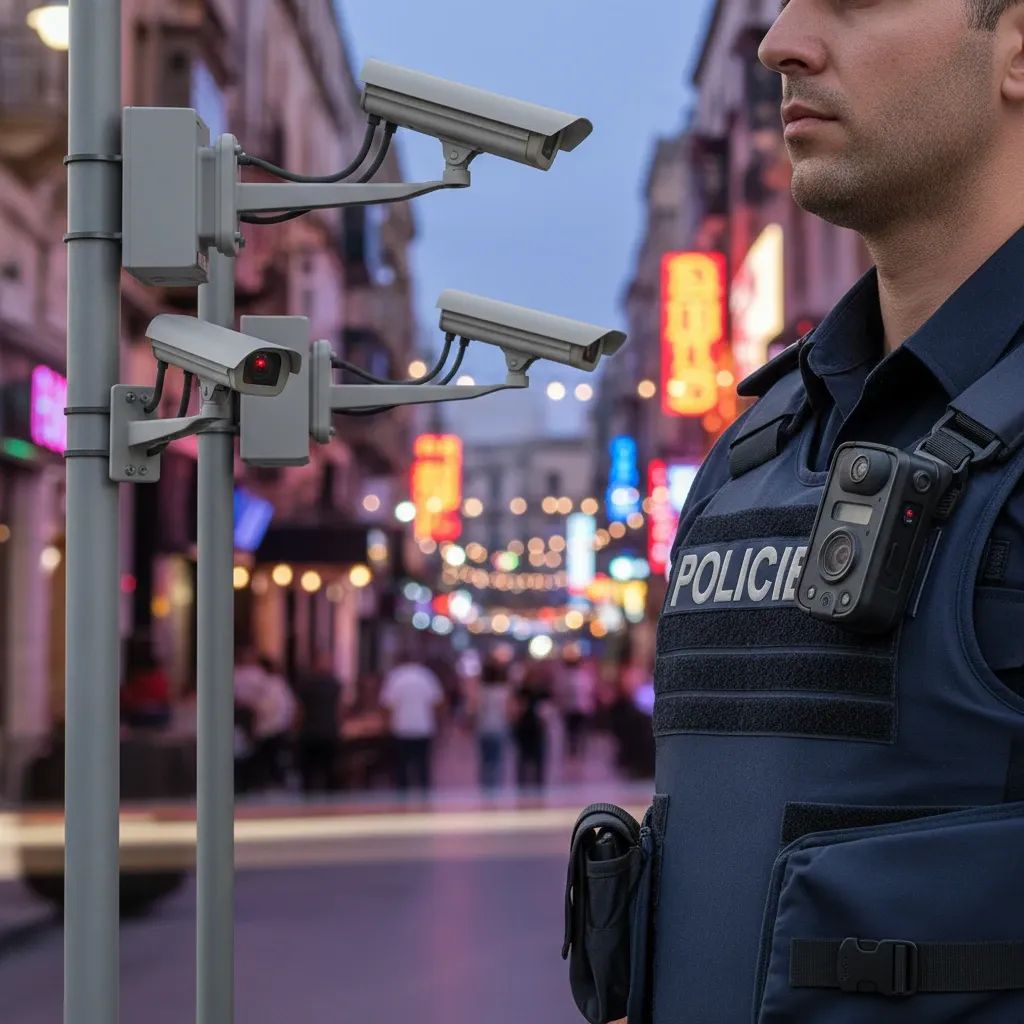
Home Affairs Minister Byron Camilleri disclosed 2025 enforcement figures to parliament, revealing a troubling picture. Authorities charged 413 individuals for violating smoke-free rules in hospitality venues, while simultaneously issuing 38 contraventions to bar and restaurant owners for permitting the prohibited conduct.
Over a decade after Malta's smoking ban took force in 2013, enforcement remains reactive rather than preventive. The fact that more than 400 smokers annually light up indoors despite legal prohibition and explicit signage indicates either deliberate flouting, persistent ignorance of the law, or calculations that fines remain acceptable as a cost of business.
Venue compliance presents a separate puzzle. Thirty-eight establishments cited for enabling indoor smoking represents a fraction of Malta's thousands of bars and restaurants, yet even this minority presence suggests gaps in either police oversight or management willingness to enforce house rules during peak service hours.
Between 2022 and 2023, smoking prevalence increased by 2 percentage points to 22% of the adult population, according to Eurostat. This reversal contradicts expectations under active prosecution and suggests that penalties alone—without sustained public messaging, cessation support, and consistent police presence—cannot reverse entrenched smoking habits.
Gender disparities persist: 26% of men identify as smokers compared to 18% of women. More striking is smoking intensity. A 2021 European Commission survey found that 97% of Maltese smokers light up daily—the second-highest rate in the EU, far exceeding the 67% union average. The typical Maltese smoker consumes 14 cigarettes per day.
Outdoor Spaces: From Regulation to Pilot
The gap between public support for outdoor bans and regulatory reality reflects both political hesitation and enforcement obstacles. Malta briefly prohibited smoking on restaurant and café terraces, but hospitality sector pushback combined with enforcement challenges during peak service times led lawmakers to repeal the measure in July 2020.
The beach pilot represents a fresh attempt to bridge this gap. The regulatory framework for Golden Bay and Ramla l-Ħamra includes designated smoking areas with waste bins to reduce tobacco litter. Multi-agency coordination aims to remedy the fragmented enforcement that previously allowed outdoor venues to operate without accountability.
Success hinges on visible, consistent enforcement during peak summer months when compliance becomes hardest. If authorities sustain the pilot through 2026, the model could expand to additional beaches and public gardens.
The Economic Burden of Smoking
Smoking's toll on Malta's economy and public health rivals many chronic diseases. The annual cost attributable to smoking reached €200.3 million in 2023—approximately 0.97% of GDP—encompassing direct healthcare expenditures (hospitalizations, ambulatory care, pharmaceuticals) and indirect costs from lost productivity, disability, and premature death.
Specific burden areas illustrate the impact. In 2015, lung cancer treatment alone cost the health service €11.5 million annually. By 2019, smoking-related daycare services for those with chronic tobacco-attributable conditions cost €3 million.
Support and Strategy Moving Forward
Recognition that enforcement alone cannot reverse smoking trends has prompted investment in cessation infrastructure. The HPDP operates free services including one-to-one counselling, a free Quitline (8007 3333) offering telephone advice, and six-week tobacco dependence classes combining behavioural therapy with peer support.
Workplace programs provide five-week educational initiatives enabling employees to set quit dates within a supportive occupational environment. Regional Health Authority clinics deliver comprehensive services including counselling, behavioural therapy, dependency assessments, and pharmacotherapy guidance.
In February 2024, the Malta Ministry of Health articulated the country's first dedicated tobacco control strategy, addressing affordability, availability, advertising restrictions, illicit trade suppression, public awareness, cessation expansion, and surveillance strengthening. The strategy aligns with Malta's WHO Framework Convention on Tobacco Control, ratified in 2005.
What Comes Next
Malta's tobacco control architecture already includes comprehensive advertising bans, mandatory pictorial health warnings occupying 65% of cigarette pack surfaces, and a legal purchasing age of 18. The January 2026 beach ban will provide the first genuine test of whether Malta can extend smoke-free governance into dispersed outdoor spaces where compliance historically fragmented.
For residents, the immediate implication is clear: indoor hospitality venues will remain smoke-free with ongoing police presence, while outdoor beaches enter a transitional regulatory phase. Whether the beach pilot succeeds may determine whether outdoor smoking restrictions expand to public gardens, promenades, and other recreational spaces in the years ahead.