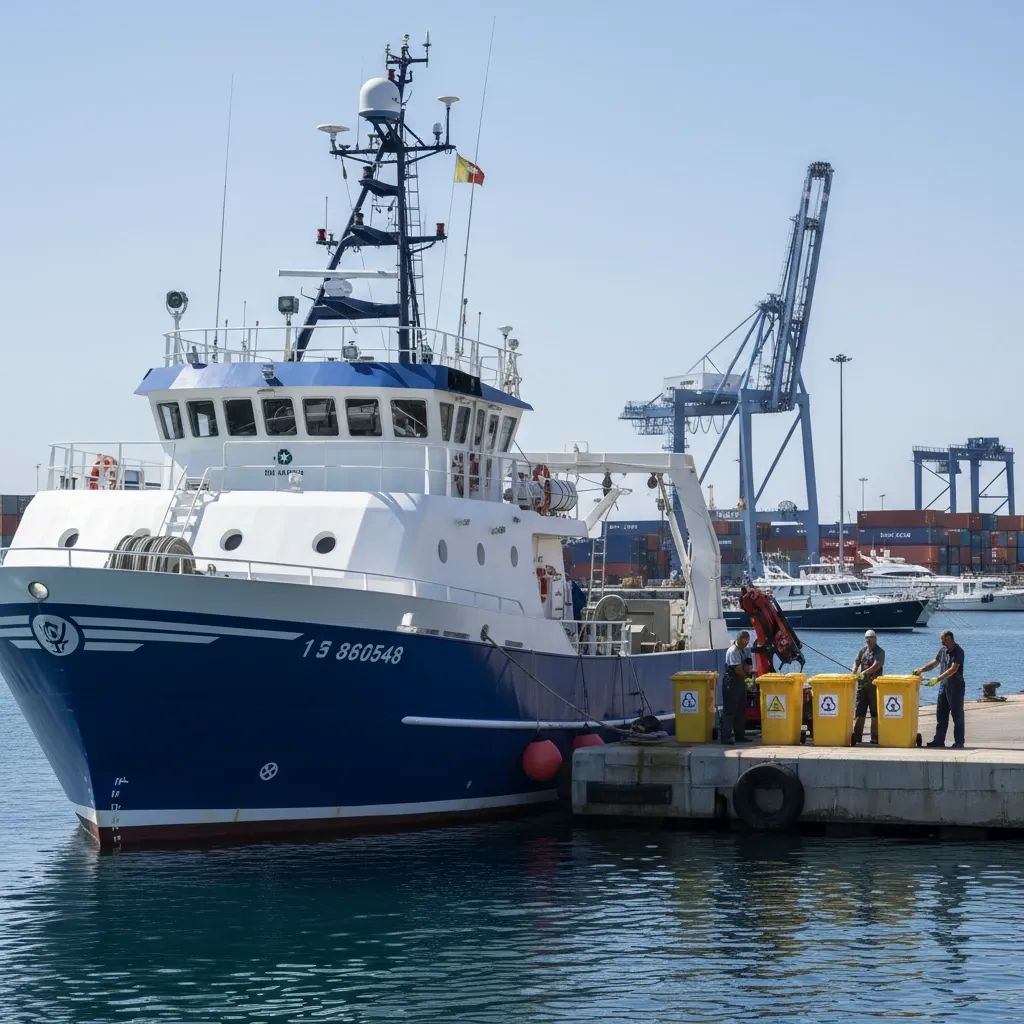
Malta has no confirmed cases of Foot and Mouth Disease (FMD), but is taking immediate preventative action as the virus spreads across Cyprus and Greece. The Malta Food Safety and Security Authority (FSSA) has mandated that every vessel—commercial freighters, fishing trawlers, private yachts, and chartered boats—must now incinerate all food waste generated onboard or transport it beyond Malta's 12-nautical-mile territorial waters for disposal. This precautionary directive will remain active until explicitly rescinded by authorities once the Mediterranean outbreak is controlled.
What Boat Owners Must Do Now
Vessel operators now confront two compliant pathways: install or contract certified onboard incineration equipment, or store all organic waste in sealed containers for disposal in international waters beyond Malta's territorial limits.
For commercial fishing fleets, the directive adds operational complexity to established routines. Trawlers and longliners that historically discarded galley waste overboard must now either retrofit incinerators—an investment ranging from €8,000 to €25,000 depending on vessel size and technical specifications—or adjust voyage routes to reach international waters for disposal, which increases fuel consumption and voyage duration.
Marina and harbor facilities across Malta have been prohibited from accepting food waste for land-based disposal. Port operations in Valletta and Marsaxlokk have begun coordinating contracted incineration services to facilitate compliance. Private yacht owners and charter companies should contact their local marinas for specific disposal service details and fees.
Non-compliance carries potential criminal penalties under biosecurity law. All vessel operators must verify compliance requirements with their maritime authority or marina operator before departure.
Why This Matters for Malta
Under EU Regulation 1069/2009, food waste from international vessels is classified as Category 1 material—the highest biosecurity classification. The FMD virus can survive for days in refrigerated meat and weeks in frozen goods, making a single discarded food scrap from an infected port a potential transmission pathway.
Cyprus has been battling an FMD outbreak since December, with confirmed cases across multiple farms. Greece confirmed its first FMD case in 25 years in 2026, with outbreaks documented across northern regions including Lesvos. Both countries have implemented livestock culling programs and trade restrictions on meat and dairy products.
For Malta—a small island economy heavily dependent on livestock exports including dairy, fresh meat, and processed foods—even a single confirmed FMD case would trigger immediate import bans from key trading partners, invalidate market access, and cost the economy hundreds of millions in lost revenue. Preventing disease introduction is far more cost-effective than managing an outbreak response.
Understanding the Outbreak Context
The current Mediterranean outbreak involves the SAT1 serotype of FMD. Existing vaccination programs across the Eastern Mediterranean target different serotypes, offering no protection against SAT1. This means even vaccinated herds in neighboring regions remain vulnerable if the virus spreads—fundamentally reshaping regional biosecurity.
The European Commission has suspended or conditioned exports of livestock products from affected Cypriot and Greek regions. Both the United Kingdom and Australia have implemented temporary import bans on Greek and Cypriot meat and dairy products, and trade restrictions have created cascading supply-chain complications for food manufacturers across Europe that source ingredients from affected regions.
Timeline and Duration
The FSSA has issued no specified end date for the food-waste incineration order. Following established World Organisation for Animal Health (WOAH) protocols, affected countries must demonstrate three consecutive months without new confirmed cases before disease-free status can be restored. The directive will remain in force until Cyprus and Greece achieve this milestone.
For Malta-based vessel operators, this means the directive will likely remain active through the summer sailing season and into autumn, though the exact duration depends on outbreak developments in neighboring countries. Marine industry associations have submitted requests to the FSSA seeking interim guidance on enforcement and potential phased relaxation, but formal regulatory updates have not yet been published.
The Practical Bottom Line
Biosecurity does not respect maritime borders. As long as FMD circulates in the Eastern Mediterranean, Malta's livestock sector remains vulnerable. This explains why the FSSA will tolerate no flexibility on compliance. Boat owners should treat this directive as a standard operating requirement for the foreseeable future and make immediate arrangements with their operators, marinas, or port facilities to ensure compliant food waste disposal before departure.