Palazzo Falson Historic House Museum in Mdina will commemorate International Women's Day with a specialized 90-minute tour on Sunday, March 8, exploring the hidden role women played in Malta's maritime economy—from 18th-century tavern owners to WWII rescuers. Booking closes March 6 at 2 PM.
Event Details
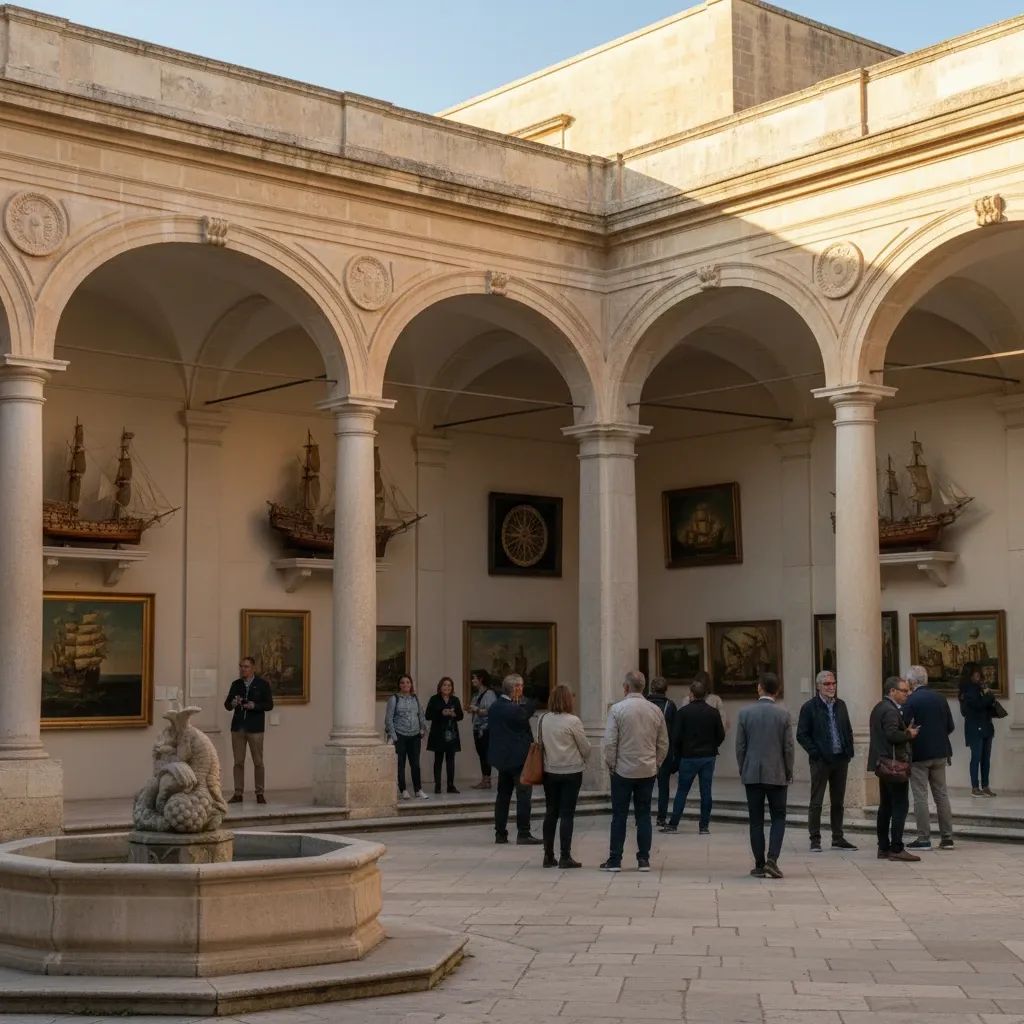
The tour runs from 10:30 AM to 12:00 PM, followed by a Buck's Fizz reception in the courtyard. Pre-booking is required by 2:00 PM on Friday, March 6 via bookings@palazzofalson.com. Tickets cost €18 for adults, €15 for members, and €6 for children aged 6–12 (non-refundable). The museum's Gollcher collection includes over 30 maritime artworks, tied to a Swedish shipping dynasty that still operates in Malta today.
The Collection Behind the Narrative
Captain Olof Frederick Gollcher—artist, soldier, and philanthropist—assembled a trove of 15th- to 20th-century artifacts with a pronounced maritime bent. His Swedish forebears founded a shipping company in Malta that remains active, and that lineage influenced his acquisition of paintings, manuscripts, and objects documenting seafaring life across the Mediterranean and Europe.
While the collection contains no literal "women's seafaring tools," curators use family portraits, jewelry, and correspondence to illustrate how women in maritime households influenced commerce, policy, and social reform without ever setting foot on a quarterdeck. The tour draws on these objects to argue that women's maritime contributions extend far beyond the deck plate.
Malta's Female Maritime Legacy
Patriarchal norms and strong Catholic influence kept Maltese women ashore for centuries, yet their economic activity was integral to the maritime economy. During the 18th century—when many men were engaged in corsairing (licensed piracy)—women held a considerable share of shop permits, managing wine taverns and supply stores that provisioned ships and crews.
World War II marked a seismic shift. With men conscripted, more than 10,000 women served as first aiders, air-raid wardens, anti-gas instructors, and secretaries, sustaining the island's operational and logistical platforms. Figures like Mary Ellul—known as "Mary the Man" for her strength as a rescuer—and Mabel Strickland, who ran Malta's most influential newspaper, demonstrated that women became the backbone of the nation during the siege.
The Palazzo Falson tour also honors the museum's own women patrons. Elisa Gollcher financed the purchase of Palazzo Falson, while Teresa "Nella" Prior, the captain's wife, joined the Women of Malta Association in 1944 and campaigned for equal political rights, achieved in 1945. She rose to Commander in the St John's Ambulance Brigade, embedding herself in Malta's civil-defense infrastructure.
A Shifting European Maritime Landscape
The 20th century's two world wars opened opportunities for women in maritime sectors. During World War II, women took on roles in ship repair, radar operation, and naval services across Britain and North America. Yet these gains proved temporary; many women were displaced when men returned. Progress required sustained legislative intervention, including the International Maritime Organization's "Women in Maritime Programme" launched in 1988, emphasizing training, visibility, and recognition.
Today, Malta's maritime industry is beginning to shift. The island has seen women assume senior leadership roles in local maritime firms, reflecting gradual but meaningful progress toward gender parity in a traditionally male-dominated sector.
Why This Matters for Residents
For Maltese households—many of whom trace ancestry to shipwrights, stevedores, or naval officers—the tour offers a counter-narrative to the standard canon of admirals and captains. It surfaces the economic agency women exercised through tavern ownership, supply-chain management, and wartime logistics, roles that kept the maritime apparatus functioning when men were absent.
By reframing the historical narrative from "why were women excluded?" to "what essential functions did women perform?", the museum connects historical exclusion to today's ongoing debates about women's participation in Malta's labor market and maritime industries. For residents seeking to understand how past barriers shaped present opportunities, this perspective shift offers valuable context.
How to Attend
The themed tour lasts 90 minutes and begins at 10:30 AM on Sunday, March 8. Guests receive a Buck's Fizz reception in the museum's revivalist courtyard—or in the Refectory if weather turns. Tickets must be secured by emailing bookings@palazzofalson.com no later than 2:00 PM on Friday, March 6. Pricing stands at €18 for adults, €15 for museum members, and €6 for children aged 6–12; all sales are non-refundable.
Given Malta's compact size and Mdina's popularity, early booking is advisable. The museum's collection includes furniture, arms, armor, coins, silver, glass, and rugs, so visitors can explore additional galleries before or after the guided session.