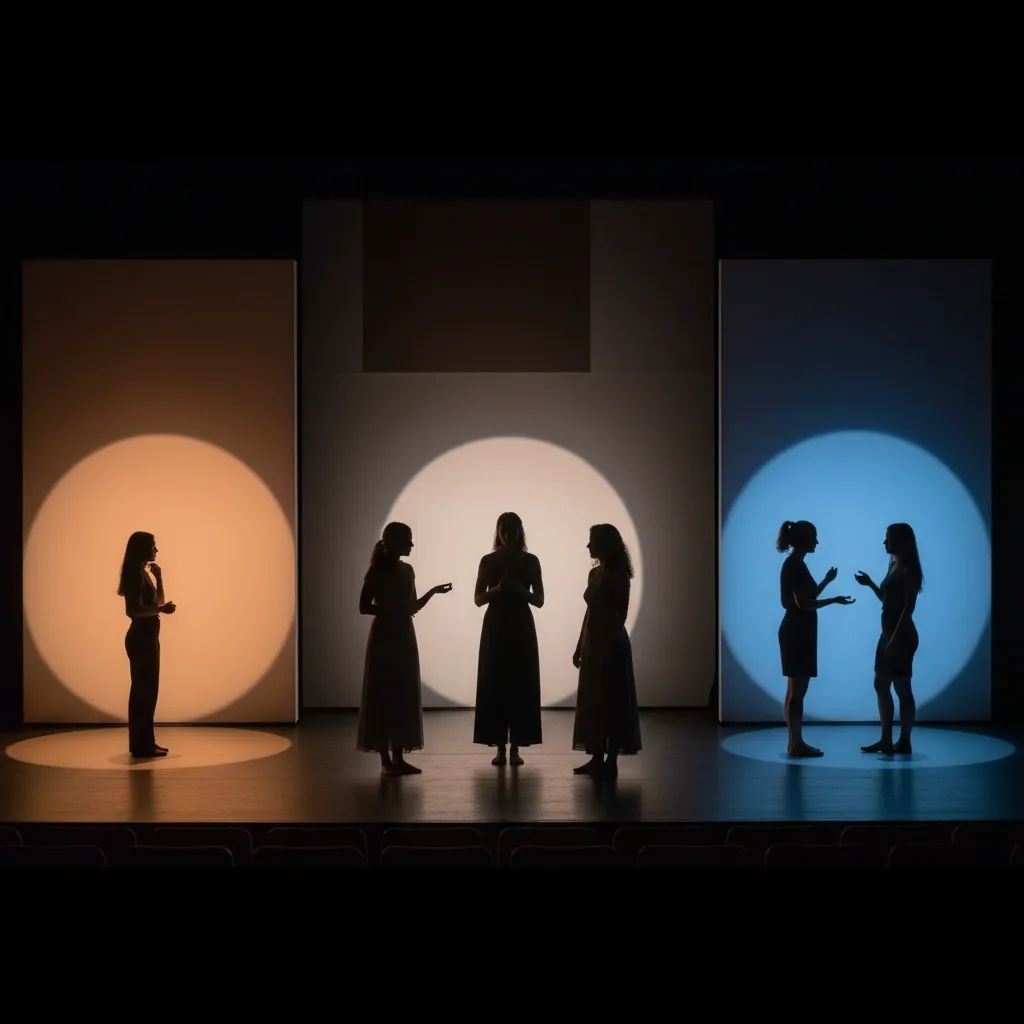
Spazju Kreattiv in Valletta will host three nights of intense female monologues this week, as the 'Her Say' series returns with its third iteration, placing migrant struggles, youth anxieties, and maternal transformation under the spotlight. Running March 6–8, 'Her Say III' zeroes in on what it means to navigate modern Malta as a woman—with stories that span precarious labor markets, Paceville's late-night chaos, and the quiet grief of an empty home.
Why This Matters
The production features three distinct voices: a migrant worker, a young woman processing a night out in Paceville, and a career mother facing empty nest syndrome. Each character takes roughly 20 minutes to tell their truth. Performances alternate between English and Maltese, with English surtitles for accessibility. With only three performances (8:00 PM–9:00 PM nightly) at Spazju Kreattiv, demand is high and tickets are moving quickly through the venue's website.
A Format That Refuses to Settle
Since its 2022 debut, the 'Her Say' project has operated on a biennial cycle, commissioning fresh monologues every two years and rotating writers, actors, and themes. The original production tackled sexuality, ageism, and domestic imbalance; the 2024 edition wove in historical threads exploring women's experiences across different eras. This year's installment plants itself firmly in the present, asking what daily survival and identity formation look like for women in contemporary Malta.
Director Charlotte Grech, who has helmed all three editions, describes the series as a vehicle for amplifying voices that otherwise slip through policy debates and news cycles. By limiting each story to roughly 20 minutes and assigning a single performer per narrative, the format creates an intimacy that longer ensemble pieces often dilute. The audience isn't watching characters interact—they're listening to confessions, reckonings, and revelations delivered straight to the house.
The Three Narratives
'Her Say III' divides its stage time among three protagonists, each portrayed by a different actress. While the production team has not disclosed the casting details, the three monologues cover:
The Migrant Worker: A woman navigating the legal, linguistic, and cultural friction of building a life in Malta. This narrative addresses integration pressures, labor precarity, and the psychological toll of rootlessness—a timely reflection given the island's growing reliance on foreign labor and the policy tensions that have accompanied it.
The Youth in Paceville: A young woman recounting a night out in Malta's most notorious entertainment district. The monologue unpacks identity, independence, and the physical and emotional risks that come with late-night socializing in a space where excitement and danger often blur.
The Career Mother: An examination of empty nest syndrome from the perspective of a woman who built her professional identity alongside her parental one. As her daughter departs, the character confronts not loss alone, but the question of who she is when the role that structured decades of her life no longer applies.
What This Means for Residents
For theatregoers in Malta, 'Her Say III' offers more than entertainment—it functions as a mirror held up to three demographic realities that rarely share the same stage. The migrant narrative speaks to the thousands of non-Maltese workers whose labor props up hospitality, construction, and care sectors but whose social integration remains contested. The Paceville story resonates with parents anxious about their daughters' safety and young women themselves negotiating autonomy in a culture that still polices female behavior. The mother's monologue addresses a demographic shift: as Malta's birth rate declines and women pursue careers longer, the transition out of active parenting becomes a shared, if seldom-discussed, passage.
The decision to stage the play in both Maltese and English reflects Malta's bilingual reality and ensures that neither local nor international residents are excluded. Spazju Kreattiv, the national arts venue housed in Valletta, has positioned itself as a hub for this kind of socially engaged programming—offering space for work that interrogates rather than merely celebrates.
A Directorial Vision Rooted in Authenticity
Charlotte Grech's approach to the 'Her Say' series has been consistent: commission new writing, cast experienced performers, and trust the material to generate its own emotional charge without heavy-handed staging. In interviews, she has emphasized the importance of truthfulness over theatricality, resisting the impulse to soften difficult stories for the sake of comfort. The monologue format—stripped of elaborate sets, costume changes, or supporting casts—places all narrative weight on the performer and the text.
This method aligns with a broader trend in Maltese theatre toward issue-driven, socially conscious work. As the local arts sector matures, audiences have shown appetite for narratives that reflect their lived experience rather than escapism alone. 'Her Say III' continues that trajectory, offering stories that are grounded in the present moment.
Practical Details
Performances run March 6, 7, and 8 at Spazju Kreattiv in Valletta, each evening from 8:00 PM to 9:00 PM. The venue is centrally located and accessible by public transport. Tickets are available through the Spazju Kreattiv website. The 60-minute runtime makes the production accessible for those with tight schedules, and the bilingual format means non-Maltese speakers won't be lost. Given the short run and the series' established following, securing seats in advance is advisable.
The Broader Context
The 'Her Say' series exists within a small but growing ecosystem of female-authored and female-directed work in Malta. Historically, the island's theatrical landscape has been dominated by male voices, both on stage and behind it. Projects like 'Her Say' represent a deliberate counter-narrative, carving out space for stories that centre female subjectivity rather than treating it as a subplot.
The timing of 'Her Say III' also coincides with heightened public debate in Malta over women's safety, labor rights, and family policy. Recent legislative discussions have touched on themes that echo in the play's three narratives. Theatre rarely changes policy directly, but it can shift the emotional register of a debate, making abstract issues feel immediate and personal.
Who Should Attend
'Her Say III' will resonate most with audiences interested in social realism, contemporary Maltese culture, and feminist theatre. It's not light entertainment—expect discomfort, confrontation, and moments of raw honesty. The production is likely to appeal to women across age groups who see fragments of their own experience in the three narratives, but it's equally valuable for male audience members willing to listen without defensiveness.
For expatriates and long-term residents unfamiliar with Malta's social dynamics, the play offers an accessible entry point into issues that rarely make international headlines but shape daily life on the island. The migrant story, in particular, may strike a chord with non-Maltese viewers navigating similar challenges.
The 'Her Say' series has proven that there is both appetite and need for work that centres women's voices in Malta—not as a novelty act, but as a recurring fixture in the cultural calendar. 'Her Say III' continues that project, offering three perspectives that are urgent, specific, and unmistakably rooted in the present moment.