A New Ferry Could Mean Predictable Commutes for Gozo Residents
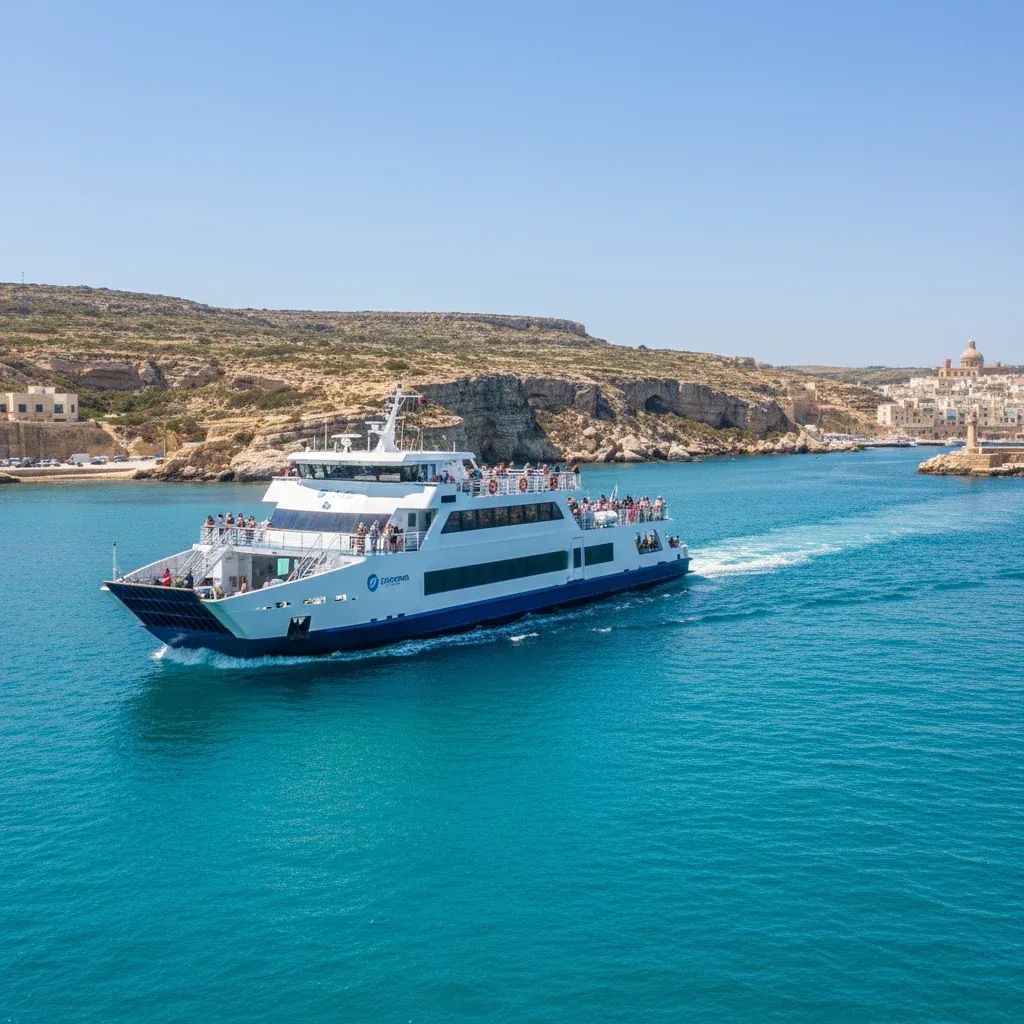
The Malta Ministry for Gozo has accepted two bids to charter a temporary fourth ferry, a move that could cut average wait times by up to 40% during peak hours and finally retire the aging Nikolaus — a vessel that has become synonymous with delays, reduced capacity, and passenger frustration. For the 31,000 residents who rely on the Mgarr-Cirkewwa route daily, this isn’t just an upgrade; it’s a lifeline restored.
Why This Matters
• Nikolaus is being phased out: After years of unreliable service, the old ferry’s limitations — including cramped decks and sluggish speed — are no longer tolerable.
• Two local-adjacent bidders: Caronte e Tourist S.p.a (Italian operator) and Ragusa Xpress Ltd (Sicily-linked) have submitted proposals with vessels already proven on Mediterranean routes.
• Timeline is tight: Evaluation begins immediately; the new vessel could be in service by late October, before winter storms hit.
• Not a final fix: This is a bridge — the real solution, two new permanent vessels, is still years away.
The Real Cost of Delay
For Gozo’s economy, ferry unreliability isn’t an inconvenience — it’s a tax on daily life. Restaurant owners in Mgarr tell of guests who book tables for Friday night only to be stranded on the mainland because the Nikolaus was grounded for engine repairs. Construction crews on the island report losing up to 15% of their workforce on slow-moving Tuesdays, when ferries get backed up. Even small shops in Victoria see fewer mainland shoppers during summer — not because of tourism drops, but because people give up trying to navigate the ferry mess.
The Nikolaus, once a temporary stopgap itself, has outlived its use. It lacks modern safety systems, has limited vehicle decks, and can’t handle rough seas without cancellations. Its retirement is long overdue.
Who’s in the Running — and Why It Matters
Neither bidder has operated in Maltese waters before, but both bring proven Mediterranean experience. Caronte e Tourist operates high-capacity diesel vessels in the Aeolian Islands — routes with similar traffic, tides, and weather patterns. Their bid reportedly includes a vessel capable of carrying 1,200 passengers and 120 vehicles, with dual propulsion for faster turnarounds. That’s critical: the current fleet often falls behind schedule because boarding and disembarking takes too long.
Ragusa Xpress, meanwhile, may be tied to Sicilian port operators who are intimately familiar with the challenges of the Malta-Sicily crossing. Their submission likely centers on a lighter, faster catamaran — ideal for quick turns, but possibly weaker at hauling large cargo. For Gozo, vehicle capacity is just as important as passenger space.
The Ministry won’t release evaluation criteria publicly, but experts point to three non-negotiables: minimum 1,000 passenger capacity, 80+ vehicle slots, and weather resilience — the power to sail in 3.5-meter waves without cancellation. Failure on any one means another stopgap, another broken promise.
What This Means for Residents
This isn’t about comfort — it’s about control. When you know your ferry isn’t just likely to leave on time, you can plan. You can book the doctor’s appointment without fear. You can send your child with a packed lunch knowing they won’t be stranded on the mainland because a broken engine forced a cancellation.
The temporary vessel’s role is simple: keep the system running while the permanent ships are ordered. That’s it. And yet, for many, it will feel like the first real step in years.
Residents should prepare for an adjustment. The new ferry will likely operate on a slightly different schedule, possibly requiring earlier arrivals at Mgarr. But unlike the Nikolaus, its arrival will be tracked, its capacity visible, its reliability documented — not whispered about.
The government’s promise to buy two new ships remains unfulfilled. Previous administrations spent eight years making the same pledge. This time, the timeline is clearer — procurement is officially underway, with initial bids submitted to the EU in July. That’s not a guarantee, but it’s a paper trail. A difference.
For Gozo, this charter isn’t the end of the story. But if it delivers even half of what’s promised, it might finally be the start of a real one.
— The real test won’t be when the ferry arrives. It’ll be when it leaves — on time, every time.