What to Expect: A British Choir Performs at Vittoriosa on March 20
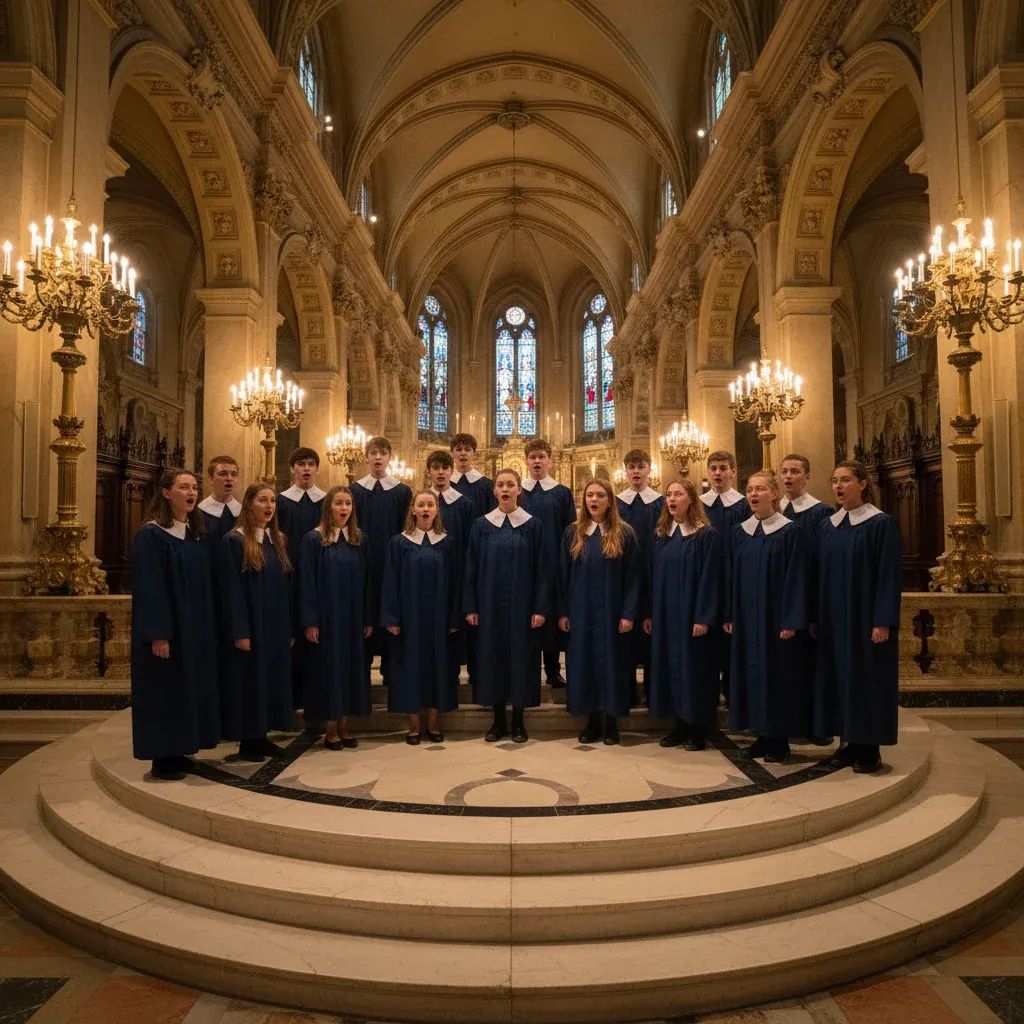
A 160-voice ensemble from Surrey will fill St Lawrence Collegiate Church in Vittoriosa with sacred music on Friday, March 20, delivering a free concert that includes a newly composed Requiem and a track record of performances in some of Europe's most acoustically significant religious spaces. The Reed's School Chapel Choir arrives in Malta after a season of European touring and regular liturgical commitments at home, bringing both polish and pastoral purpose to their Maltese stop.
Why This Matters
• Free entry to a professional-caliber choral performance at one of the Three Cities' most architecturally significant churches
• Concert starts at 6:45pm on Friday, March 20—evening timing suitable for working residents; Vittoriosa reachable by ferry or car from central areas
• Opportunity to hear a contemporary sacred composition (Requiem by Clive Osgood) performed in intimate, liturgical setting rather than concert hall
• Part of growing cultural programming at St Lawrence; the Tenebrae Choir performed at the same venue in January
How Reed's Built a Choir That Tours Cathedrals
The scale tells part of the story. One hundred sixty pupils sing together weekly in the school's own chapel, a commitment that transforms music from elective activity into woven fabric of institutional life. Simeon Smith, who leads the Reed's Music Department, oversees a program that extends beyond the flagship choir—chamber ensembles, instrumental instruction, and specialized vocal training all operate within the same framework. For students at the school, music isn't confined to rehearsal rooms; it functions as daily practice, religious observance, and cultural performance simultaneously.
This model—anchoring a large choir in liturgical need—has historical precedent. Medieval cathedral schools maintained singers precisely because churches required multiple voices for daily services. Reed's adapts that principle: because the school runs an active Anglican chapel program, the choir has built-in performance opportunity and purpose. Students sing in worship, not merely preparation for it. The distinction matters. Weekly repetition in a functioning liturgical space builds ensemble discipline differently than rehearsal-only programs, and the stakes feel more authentic to young singers.
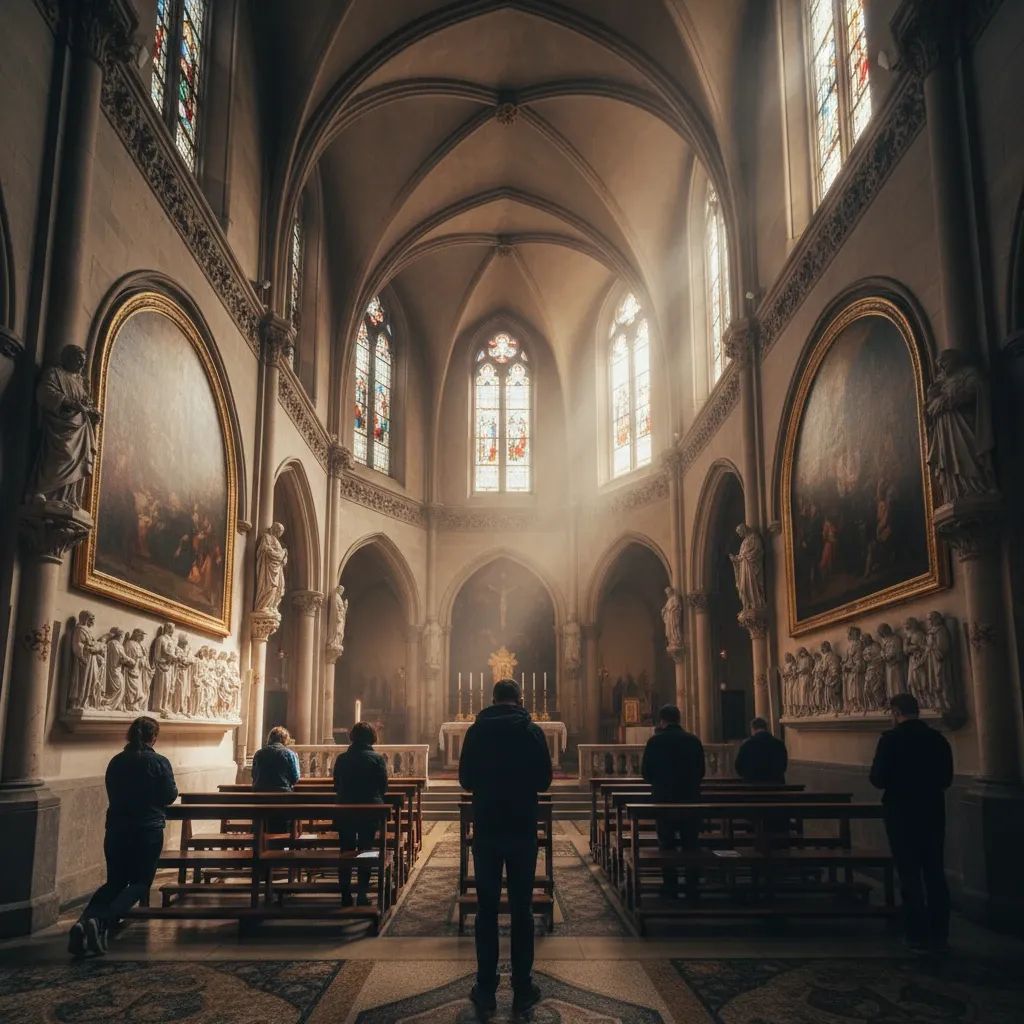
The touring program extends that education outward. The choir has performed at major cathedrals and significant churches across Belgium, France, Austria, Italy, and the Netherlands. These aren't concert hall performances; they're engagements in spaces where sacred music has centuries of resonance built into the architecture. Singing in a Gothic vault with 40-foot ceilings teaches vocal projection and ensemble balance in ways no rehearsal space replicates. Performing in Renaissance or Baroque interiors—where surfaces and proportions evolved specifically to showcase choral sound—exposes students to the physical and historical context of the music they're studying.
Past visits to Oxford and Cambridge University chapels have given the choir exposure to similarly high-demand acoustic environments and some of Britain's most prestigious music traditions. These aren't trophy engagements collected for branding; they're working performances in functioning chapel programs, where the choir slots into existing liturgical schedules.
The Director's New Work Takes the Stage
Clive Osgood, who leads the choir, has composed a Requiem that will premiere at the Vittoriosa concert on March 20. The Latin Requiem—the Mass for the dead—represents one of the most demanding and historically layered genres in choral writing. Composers from Palestrina through Mozart, Berlioz, Verdi, and Britten have tackled it. Each generation's approach reflects contemporary harmonic language and theological sensibility.
Osgood's compositional work demonstrates active engagement with liturgical music tradition. In a field where most performed repertoire dates from before 1950, a working composer continuing to produce sacred music signals commitment to living tradition rather than archival curation.
Including a director's original work in a touring program matters pedagogically. When students perform contemporary sacred music composed by their own conductor, they're not re-enacting historical practice; they're participating in active musical culture. The Requiem becomes not a museum artifact but a living work, hearing its premiere performance from the composer's own ensemble.
Malta's Expanding Role as a Sacred Music Destination
The presence of such ensembles at Malta-based venues reflects deliberate cultural positioning. St Lawrence Collegiate has hosted significant choral performances: only two months prior, the acclaimed Tenebrae Choir performed at the same church in January as part of the Valletta Baroque Festival, delivering works by Tallis, Allegri, Whitacre, and Tavener spanning four centuries.
This clustering suggests emerging infrastructure. Vittoriosa's baroque architecture, particularly its acoustic properties, has proven suitable for touring ensembles. The Three Cities geography—historical, compact, visually distinctive—appeals to performing groups seeking European venues with character and logistical accessibility. International choirs need functioning churches with adequate acoustics, proximity to accommodation, and sufficient audience draw. Malta offers all three, plus the appeal of a Mediterranean performance destination that justifies the logistical complexity of international touring.
For local audiences, these performances function as cultural window. Access to British school choirs, Italian baroque specialists, and other European ensembles without requiring travel to London or Rome represents genuine value proposition. Concert tickets in European capitals carry substantial cost; free or low-cost performances in Valletta or Vittoriosa make such experiences genuinely accessible.
Logistics and Access for Residents
St Lawrence Collegiate sits in historic Vittoriosa (also called Birgu), across the harbor from Valletta. The evening start time—6:45pm on Friday, March 20—accommodates work schedules and allows attendance without taking time away from employment or family obligations. Two practical routes exist: car to Vittoriosa, where parking in the narrow streets presents the usual challenge of Mediterranean old towns, or the Valletta ferry, which operates regular crossings and deposits passengers near waterfront. The church itself warrants early arrival; the baroque architecture merits exploration, and audience members often benefit from acoustic familiarization before performances begin.
Free admission removes financial barriers. No booking appears necessary; churches accommodating touring choirs typically operate first-come basis for evening concerts. The performance will likely run approximately one hour, standard for evening sacred music programming. Those requiring additional information can call 9945 3440 or 9944 0428 to confirm details or ask specific access questions.
What the Choir Reveals About Music Education
Reed's model offers implicit commentary on music education in resource-constrained environments. The school maintains 160-voice choir, chamber ensembles, instrumental training, and international touring despite broader challenges facing school music programs across Europe and beyond. Economic pressure, competing curriculum demands, and shifting family priorities have diminished choral participation in many institutions.
Reed's sustains participation through multiple strategies: embedding choir in liturgical life (creating ongoing purpose beyond concerts), providing performance opportunity at multiple levels (chapel services, touring concerts, university chapel engagements), and maintaining visible institutional support through dedicated music department leadership. The approach suggests that large youth choirs depend less on inherent student interest than on structural integration into school identity and religious/liturgical function.
For Malta-based educators and parents, observing how such programs function in practice—through attending a performance by the finished product—offers tangible example. The clarity of ensemble sound, the sophistication of repertoire management, and the evident comfort of 160 singers performing together in demanding acoustic spaces all reflect years of systematic, well-resourced musical training.
The March 20 concert represents more than a free evening of good music, though it certainly is that. It documents how sustained investment in youth musical training produces ensembles capable of international performance, and how liturgical need can anchor music education to institutional purpose in ways that justify continued institutional support. For Malta's own musical culture—itself drawing heavily on Italian and British traditions due to historical influence—such comparative examples offer useful reflection on what musical infrastructure requires to flourish.