
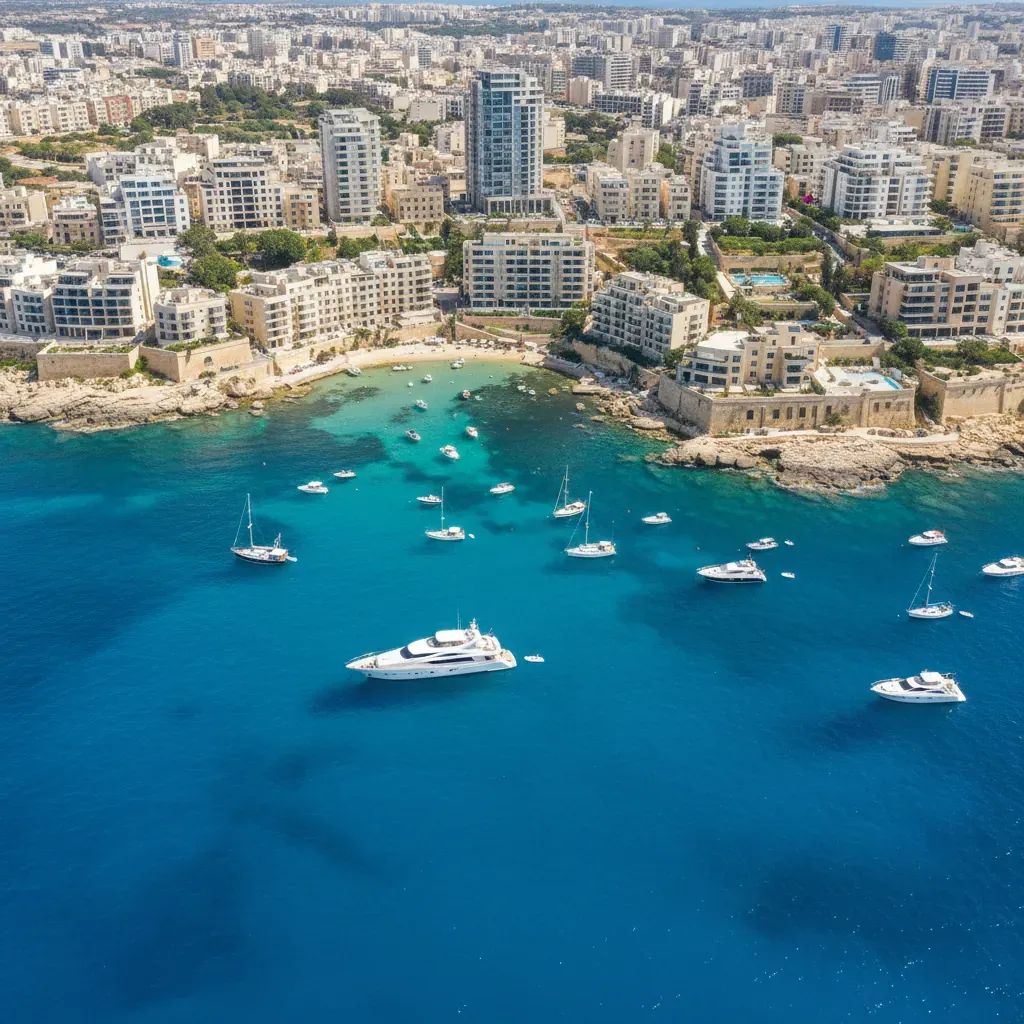
The Malta Transport Authority has issued a commercial license to Noma Island, a 1,750-square-meter floating entertainment platform that is currently moored in Valletta and destined for waters off Comino. The vessel—which features two large decks, a restaurant, a bar-lounge, and a freshwater swimming pool capable of hosting 350 guests at a time—has triggered strong opposition from local councils, environmental groups, and political parties who warn it could significantly threaten one of Malta's most fragile marine ecosystems.
Why This Matters
• Natura 2000 zone at risk: Comino's waters are a legally protected marine area under EU environmental law—a designation that Malta is obligated to enforce. The zone is home to endangered seagrass beds, the noble pen shell, and the Mediterranean monk seal.
• Already rejected from France: The same vessel was denied permits on the French Riviera in early 2026 due to environmental concerns before arriving in Malta.
• Over 700 signatures: A parliamentary petition is demanding immediate suspension of operations, full permit disclosure, and independent environmental assessments.
Mounting Opposition from Across the Political Spectrum
Momentum, the political party led by Arnold Cassola, has emerged as the most vocal opponent of the project. Cassola publicly revealed the vessel's intended anchoring location and condemned the choice, stating it would "destroy Comino's peace and beauty." The party has repeatedly pointed to what it describes as a "persistent lack of enforcement at sea" during summer months, arguing that Maltese waters have become an "unregulated extension of the party industry."
The objections are not confined to one political faction. Mayors from Sliema, Mellieħa, Marsaskala, and St Paul's Bay have all lodged formal complaints. Sliema Mayor John Pillow was particularly blunt, insisting that his town is "a residential community, not an offshore party platform." Even councils that would not directly host the vessel have raised alarms about noise pollution, marine traffic, and the precedent it sets for other operators.
A parliamentary petition launched in early March has already gathered more than 700 signatures, calling for the immediate suspension of Noma Island's operations until full legal and environmental compliance can be verified. Signatories are demanding transparency: full disclosure of all permits, independent environmental and noise impact assessments, and a public consultation process that includes input from residents, fishers, and conservation groups.
For residents wanting to take action: The parliamentary petition can be accessed through the National Parliament of Malta's official website. Concerns can also be directed to the Malta Environment and Planning Authority (MEPA) and to your local council representative.
What Transport Malta Has Approved—and What It Hasn't
Transport Malta confirmed that Noma Island holds a provisional registry and has completed the standard commercial vessel licensing process. However, the license comes with significant restrictions. The platform cannot carry passengers while in motion—it is limited to static charters at anchor. It must also comply with all applicable environmental and waste management obligations, though critics argue that enforcement mechanisms remain vague and historically weak.
The vessel is marketed as Malta's "fourth island," a branding strategy that has drawn criticism from environmental advocates who say it trivializes the ecological significance of Comino. The platform is designed to be accessed via private yachts or speedboat tenders, a model that would bring a constant stream of marine traffic into an area already under strain from mass tourism.
A Marine Ecosystem Already Under Siege
Comino and its surrounding waters are designated as a Natura 2000 marine protected area, a status that recognizes the region's exceptional biodiversity. The zone includes extensive Posidonia oceanica seagrass meadows, which act as carbon sinks and provide critical habitat for dozens of marine species. The area also supports underwater caves, rocky reefs, and populations of the endangered Mediterranean monk seal.
The introduction of a floating entertainment venue capable of hosting 350 guests at once would dramatically increase marine traffic, noise pollution, and waste generation in waters that are already struggling. Environmental groups warn that anchors and propellers from arriving yachts could destroy seagrass beds, while noise and light pollution from late-night events would disrupt nocturnal species and migratory birds. Comino is also designated as an Important Bird Area, adding another layer of ecological sensitivity.
The vessel's history compounds these concerns. Noma Island was rejected by French authorities in early 2026 after facing similar opposition. French authorities refused to issue permits, citing conflicts with marine environmental protection laws. Its arrival in Malta has raised questions about whether the island's regulatory framework is being exploited by operators who have been rejected elsewhere in the Mediterranean.
Waste, Light, and Environmental Risks
One of the most contentious issues is waste management. Critics argue that with 350 guests on board, the potential for sewage discharge, single-use plastics, and food waste entering the marine environment is substantial. While Transport Malta has stated that the vessel must comply with environmental obligations, there is widespread skepticism about enforcement capacity, particularly during the peak summer months when demand is highest and oversight is historically weakest.
Light pollution is another concern. The vessel's operation as a nighttime entertainment venue would introduce artificial lighting into an area that currently enjoys dark sky conditions. This can disorient marine organisms, interfere with reproductive cycles, and disturb the behavior of species that rely on natural light cues.
Environmental advocates also point to the broader context: Comino is already experiencing the effects of mass tourism, particularly in the Blue Lagoon area, where overcrowding has led to habitat destruction and marine degradation. The addition of a floating entertainment platform would, critics argue, intensify the existing strain on these sensitive ecosystems.
Lessons from the Mediterranean
Other Mediterranean destinations have faced similar dilemmas. Dubrovnik, Croatia, a UNESCO World Heritage site, has implemented strict capacity controls, staggering cruise ship arrivals and capping daily visitor numbers to the Old Town. Venice, Italy has banned large cruise ships from its historic center and is rolling out a daily entry fee for day-trippers. Both cities use real-time data monitoring to manage tourism flows and prevent overcrowding.
Malta itself has taken steps to manage pressure on its most vulnerable sites. A free online booking system for the Blue Lagoon has reduced peak-time crowding by two-thirds, and the government has increased cleaning and waste management resources. However, critics argue that these measures are insufficient if new high-capacity venues like Noma Island are allowed to operate in the same sensitive areas.
What Comes Next for Comino
The fate of Noma Island will likely hinge on two factors: political will and public pressure. Momentum has called for a moratorium on all new floating entertainment licenses until comprehensive enforcement mechanisms are in place. The parliamentary petition, meanwhile, is pushing for a transparent review process that includes independent environmental assessments and public hearings.
For residents, the stakes are clear. If the vessel begins operations off Comino without stricter safeguards, it could set a precedent for similar projects, transforming Malta's marine protected areas into commercial playgrounds. The vessel's previous rejection by French authorities suggests that robust regulation is both possible and necessary—but only if authorities are willing to enforce it.
The question now is whether Malta will follow the path of destinations like Dubrovnik and Venice, which have prioritized conservation and quality tourism, or whether it will allow its most fragile ecosystems to be commodified in the name of short-term profit. For Comino, the answer will determine not just the island's future, but the integrity of Malta's commitment to its own environmental laws.


