Why This Deal Matters for Malta
The Malta-based construction magnate Joseph Portelli is taking his ambitions across the Mediterranean. His agreement to acquire Nocerina Calcio, a lower-tier Italian club currently competing in Serie D, signals something broader than one man's personal trophy hunt—it represents a structural bet that Maltese capital and expertise can compete in European football. If Portelli completes this acquisition by the end of March, it will reshape how the island's wealthiest football investors operate, and potentially unlock new pathways for Maltese players and clubs seeking exposure beyond a market of just under 500,000 people.
Why This Matters:
• Ħamrun Spartans gains strategic positioning: A successful Italian acquisition could establish operational links that benefit the Maltese champions' UEFA competition campaigns.
• Italian regulatory complexity looms: Portelli faces FIGC bureaucracy, honorability checks, and administrative requirements that could affect the takeover timeline.
• Player development ecosystem potential: A formal link between clubs could create opportunities for player development and cross-border engagement, giving Maltese talent exposure to Italian football.
The Anatomy of the Deal
An agreement in principle materialized during a video conference on Tuesday night between Portelli and Nocerina's current ownership. According to reports, the fundamental terms were discussed. What remains is the administrative machinery: FIGC approval, financial transparency documentation, and formal ratification to complete the sale officially.
The handover timeline matters. Portelli targets completion by the end of March—a window that requires administrative processes to move swiftly. The exact operational sequencing during transition has not been publicly detailed.
This wasn't Portelli's first swing at Italian football. Earlier, he made a bid for Siena Calcio, a rival Serie D side, which was rejected. Speculation briefly swirled around other Italian clubs, but Nocerina's willingness to engage made it the focus of his acquisition efforts.
Nocerina: The Club He's Buying
Nocerina competes in Serie D, Italy's fourth-tier football division. The club operates competently, which is precisely why Portelli considers it a viable venture for investment and development.
In February, Portelli traveled to Campania for in-person meetings with club officials and attended a match firsthand—Nocerina drew 1-1 against Budino. Local supporters greeted him warmly after the final whistle, evidence that the fanbase isn't hostile to foreign investment if it signals genuine commitment and sporting ambition. That reception mattered. Italian clubs, even small ones, carry decades of emotional capital with their communities. Acceptance from the terraces, not just boardrooms, smooths the path ahead.
Portelli's Playbook: From Malta to Italy to Europe
The Gozitan entrepreneur is pursuing Italian football as a strategic business venture. His stated approach involves acquiring a Serie D club, then deploying capital into development and infrastructure. The strategic vision is structured: secure a foothold in Italian football, build systematically, and create pathways for Maltese involvement.
The model draws on precedent within European football, where patient capital and structured investment have transformed clubs over multiple seasons. Portelli's public statements suggest he views Italian success as potentially complementary to Ħamrun Spartans operations, though specific financial structures and arrangements remain to be formally established.
Player movement between clubs is a possibility within his broader thinking. Young Maltese talent could potentially secure opportunities at Nocerina—a competitive environment that offers development pathways. For Ħamrun, it represents potential player development advantages that don't exist today. For Nocerina, it could mean access to emerging Mediterranean football talent.
The Italian Regulatory Gauntlet
Here is where Portelli's plans encounter friction. The Italian Football Federation (FIGC) operates one of Europe's most rigorous ownership approval systems. Purchasers must satisfy compliance requirements including background checks, financial documentation, and proof of operational capacity. Foreign buyers navigating this bureaucracy for the first time often underestimate the timeline and complexity involved.
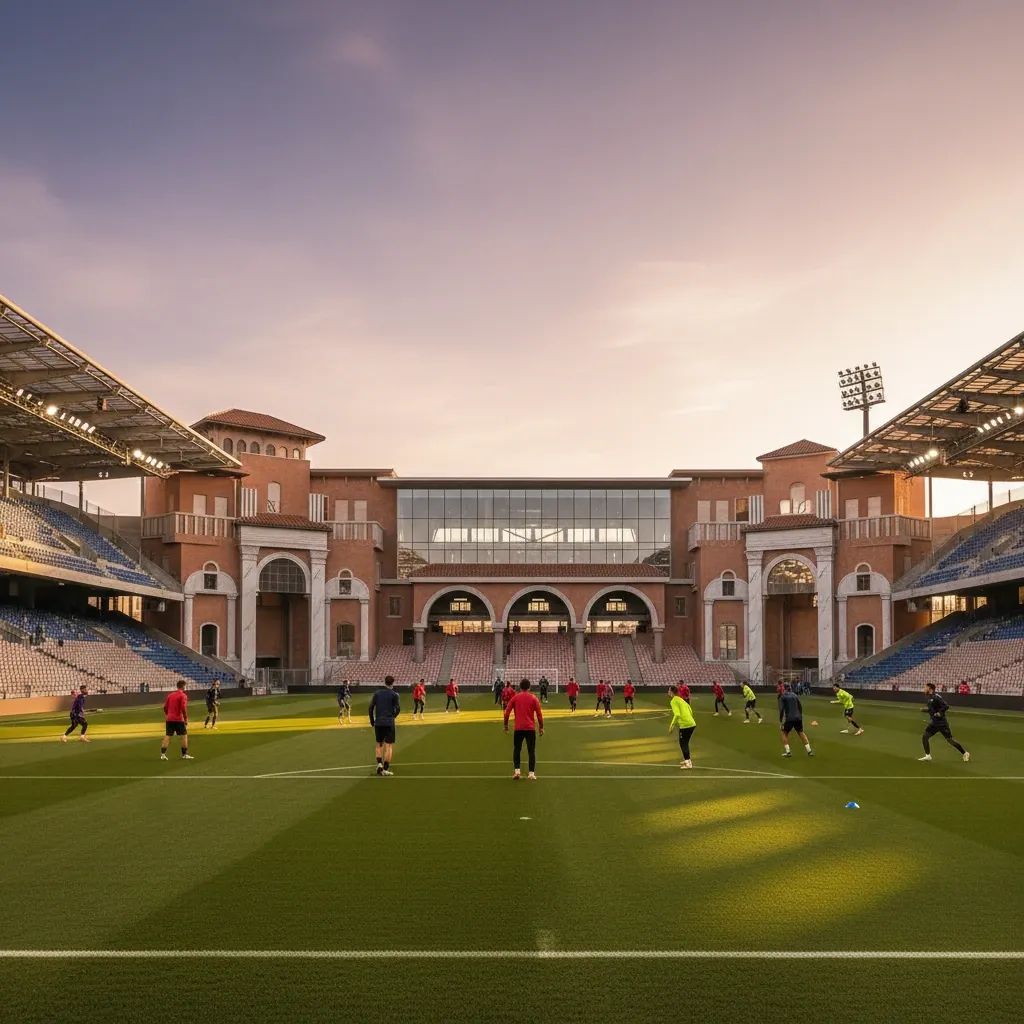
Stadium arrangements create another consideration. Nocerina plays in a municipally owned facility, typical for Italian lower-tier clubs. Any major changes or operational adjustments require local authority coordination, which can affect strategic implementation timelines.
Foreign ownership carries cultural considerations in Italian football. Fanbases tolerate it—even welcome it—if the financial commitment is genuine and the sporting project is credible. The danger lies in perception: if Portelli is seen as a speculative investor rather than someone committed to building the club, resistance may harden. His emphasis on sporting merit and player development positions him more favorably than a purely commercial approach.
Succession Planning and Malta's Football Future
A governance question exists: Can Portelli manage both Nocerina and Ħamrun Spartans simultaneously? The FIGC maintains regulations governing multi-club ownership within professional tiers. If regulatory requirements necessitate a choice, Portelli has indicated potential succession arrangements involving family members, allowing strategic coordination while satisfying regulatory frameworks.
This approach—maintaining operational separation while preserving strategic oversight—is a structure many family-controlled entities deploy internationally. For Ħamrun Spartans supporters, it offers continuity and clear leadership. For Portelli, it preserves the ability to develop integrated strategies across both operations.
What This Means for Residents
For Maltese football enthusiasts, especially Ħamrun Spartans loyalists, the Nocerina acquisition carries potential implications. If Portelli successfully develops the Italian club, it could create operational synergies that strengthen Ħamrun's competitive position in domestic and European competitions. That translates to more sustained competitive campaigns and a domestically dominant team.
For young Maltese footballers, the potential exists for new developmental pathways. Rather than emigrating directly to foreign clubs with minimal guarantee of opportunity, elite local talent could potentially secure development placements at a club operating under familiar ownership structures. This would represent a new pathway into Italian football's competitive ecosystem.
Broader cultural positioning matters too. Portelli's venture signals that Maltese entrepreneurs are pursuing investment opportunities across Europe. If this acquisition succeeds—and if other Maltese investors pursue similar ventures—Malta could gradually reposition itself within European football networks. That represents both an economic and cultural shift, even if scaled modestly.
The Realities of Italian Football Ownership
Ambition must confront operational realities. Italian Serie D football presents competitive and financial challenges. Promotion unlocks better resources and opportunities, but the pathway requires sustained performance and financial stability. Clubs operating at this level face genuine competitive pressure and resource constraints.
Portelli's track record with Ħamrun Spartans suggests he understands strategic investment principles. However, Italian football's regulatory complexity, cultural depth, and competitive environment present distinct challenges from Malta's football landscape. Successful transition requires careful navigation of multiple systems and stakeholder relationships.
The timeline also bears scrutiny. Portelli targets end-of-March completion. Italian administrative procedures typically require several weeks for processing documentation and formal approval. If compliance issues arise, the timeline could extend.
What Comes Next
By late March, if administrative processes complete, Portelli formally assumes an official role at Nocerina. Immediate priorities likely involve organizational assessment, contract reviews, and player development planning.
Longer-term, any project unfolds across multiple seasons. Infrastructure development, scouting network expansion, and strategic player recruitment crystallize gradually. The Maltese entrepreneur is betting on structured, incremental improvement over time.
For Maltese football stakeholders, the outcome carries broader implications. Success validates the principle that Maltese capital can operate effectively within European football structures. Failure would underscore the challenges of operating across different regulatory and competitive environments. Either outcome, Nocerina marks a significant moment—when Maltese football investment aspired toward meaningful European engagement.