
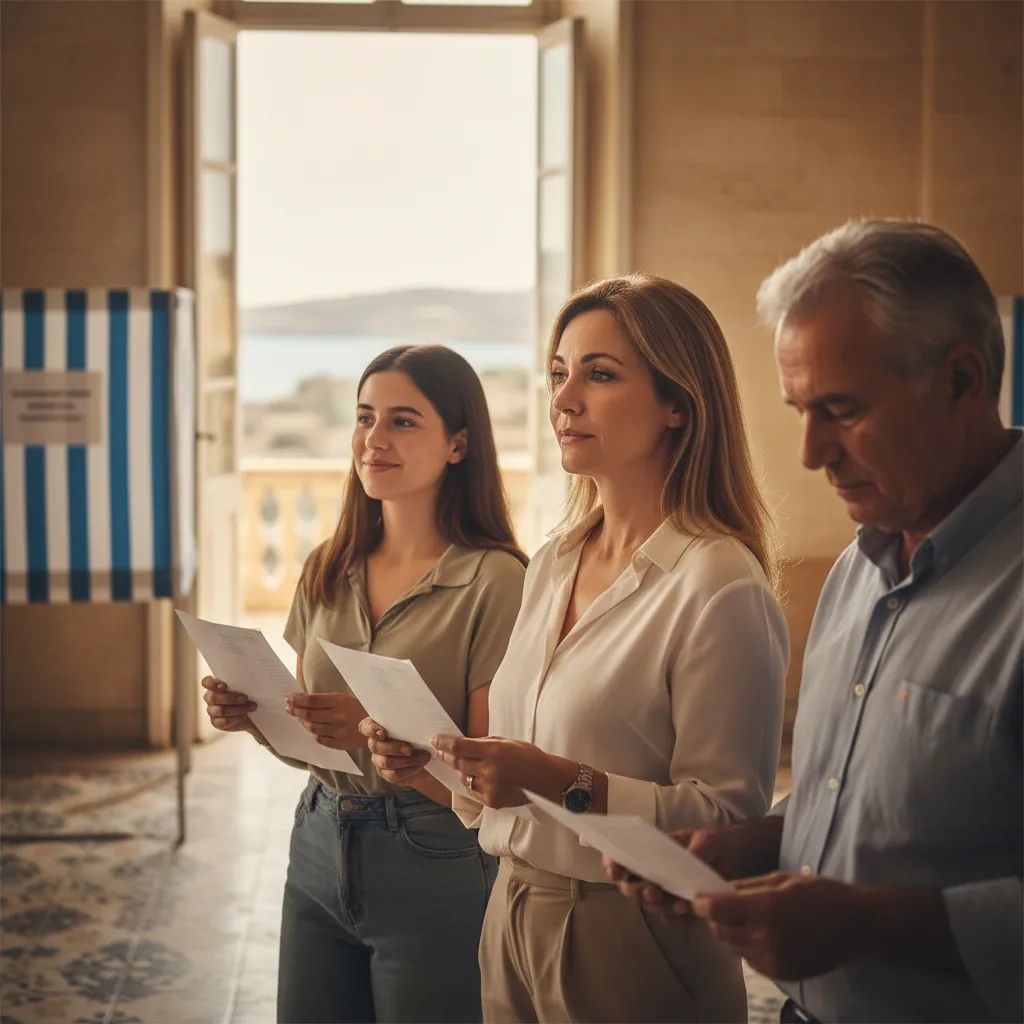
One of the Nationalist Party's (PN) most recently elected MPs is calling for structural reforms to how the party allocates candidates across Malta's electoral districts. George Vital Zammit, who entered Parliament for the 12th District in a June 2026 casual election, has publicly advocated for changes that would grant PN leaders greater discretion over candidate placement across constituencies.
Who Is Zammit?
Zammit's push for reforms comes from a position of institutional influence. Before taking his parliamentary oath on June 20, he served as the principal architect of the PN's 2026 electoral manifesto, a role he assumed in October 2024 under former leader Bernard Grech and continued when Alex Borg succeeded to the leadership. That manifesto covered policy proposals across 16 sectors, including economic reform, environmental protection, and constitutional recognition of Gozo as a region.
His entry to Parliament followed PN leader Alex Borg's election from both the 12th and 13th districts in the May 2026 general election, which triggered a statutory requirement for Borg to relinquish one seat. Zammit subsequently entered Parliament from the 12th District.
What We Know About the Proposed Changes
While Zammit has called for rule changes to give party leaders more control over district representation, the specific details of his proposals have not been publicly detailed in available sources. The exact nature of how this centralized authority would function remains unclear.
Context: Malta's Electoral System
To understand the significance of this debate, it helps to know how Malta's system works. The country uses a Single Transferable Vote (STV) system, where voters rank candidates in order of preference. Candidate placement and geographic distribution across the 13 electoral districts can influence electoral outcomes.
Malta's electoral system already favors the two dominant parties. A 2021 gender-corrective mechanism, which allocates up to 12 additional seats to ensure at least 40% representation of either sex, exclusively benefits the PN and Labour Party (PL), effectively limiting representation for smaller parties like AD+PD and Volt Malta.
What This Means for Residents
For Maltese voters, particularly in swing constituencies, how candidates are selected and deployed can affect local representation. Under the current system, candidate placement is shaped by a combination of grassroots support, local committees, and party leadership approval.
Any shift toward greater leadership control could change this balance. Critics within the PN have historically resisted centralization, arguing that local committees and district-level activists should retain influence over candidate selection. This is particularly sensitive in Gozo, where regional autonomy and local representation have historically been priorities.
Historical Context: The PN's Statute Evolution
This is not the first time the Nationalist Party has grappled with internal rule changes. In June 2020, the PN Executive Committee approved a new statute that introduced minimum representation for women and youths in party management and shifted the organizational structure from a district-based model to one centered on broader regions. That reform was intended to modernize the party and broaden its appeal.
Zammit's current push for greater leadership control represents a different direction, though the specifics remain to be clarified as the party debates the proposal.
Broader Implications for Maltese Politics
The debate over how parties select and deploy candidates reflects broader questions about internal party democracy. How the PN resolves this issue could have implications for local representation and the party's competitive positioning against the governing Labour Party.
For Malta's residents, the way candidates are chosen and assigned to districts will shape the quality of local representation and how effectively their voices are heard in Parliament. As the PN deliberates on these reforms, the broader question remains: Can a political party balance strategic efficiency with grassroots democracy?


