Malta's planning system has been shaped by successive administrations in ways that critics argue have prioritized developer profits over community interests and environmental sustainability.
The Core Claim
According to observers of Malta's planning policies, successive governments have reshaped planning laws and numerous policies to maximize extractive profit from development. This assessment suggests a systemic bias toward enabling large-scale projects and increased building density, often at the expense of residents' quality of life and environmental considerations.
What Residents Are Experiencing
For people living in Malta, the practical effects of these planning decisions are visible across the island:
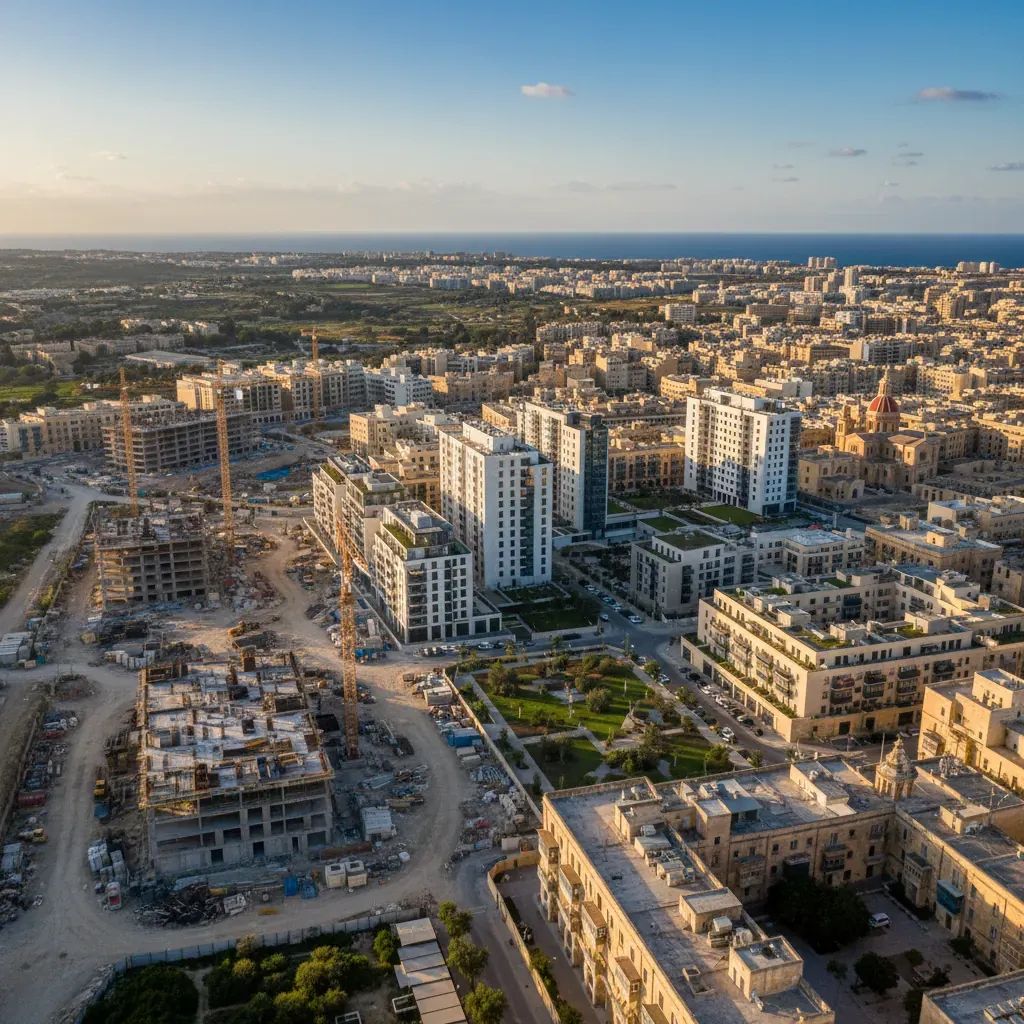
• Rapid densification in residential areas with limited infrastructure upgrades to match development intensity
• Reduced green spaces as developers prioritize built-area maximization
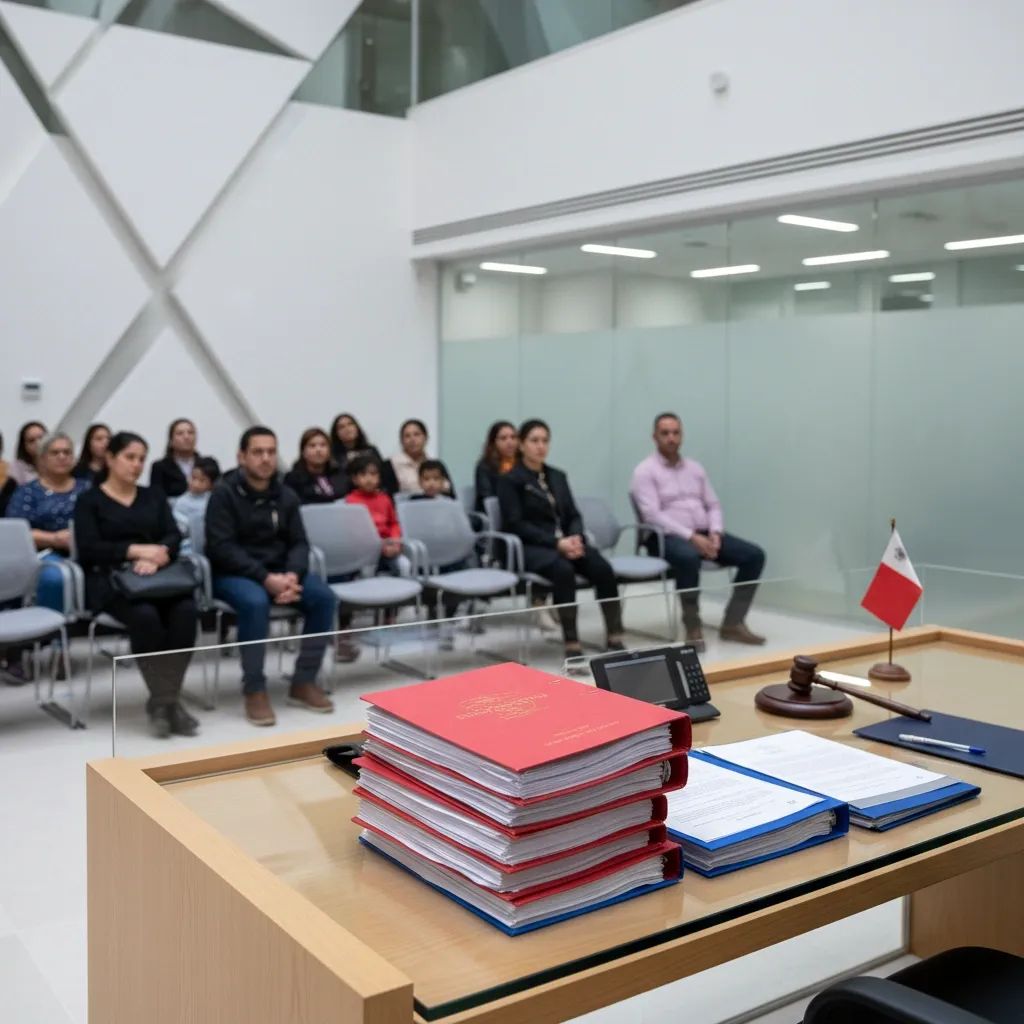
• Community consultation processes that many residents feel offer limited genuine influence over local developments
• Property value volatility in neighborhoods experiencing rapid transformation
• Environmental concerns including air quality, natural light access, and construction-related disruptions
Questions About the System
Residents and planning observers raise legitimate questions about how the current framework operates:
• How are planning decisions made when applications come from connected developers versus smaller operators?
• What mechanisms exist for residents to meaningfully influence projects affecting their neighborhoods?
• Are public contributions in lieu of green space, parking, and affordable housing set at levels that reflect actual community needs?
• How are environmental impact assessments weighted against development approvals?
• What role does political influence play in planning decisions?
The Planning Authority's Mandate
The Malta Planning Authority operates under existing legislation and policy guidance. How this authority balances competing interests—developer efficiency, community input, environmental protection, and housing supply—remains a subject of ongoing debate among residents, planners, and policymakers.
Looking Forward
The tension between Malta's development needs and residents' quality-of-life concerns will likely remain central to planning debates. Understanding how planning decisions are made, who influences those decisions, and what mechanisms exist for resident input are questions every person living in Malta should be able to answer clearly.
Residents seeking to understand specific planning decisions or influence developments in their areas should familiarize themselves with the Malta Planning Authority's consultation processes and consider engaging with local community groups focused on planning issues.