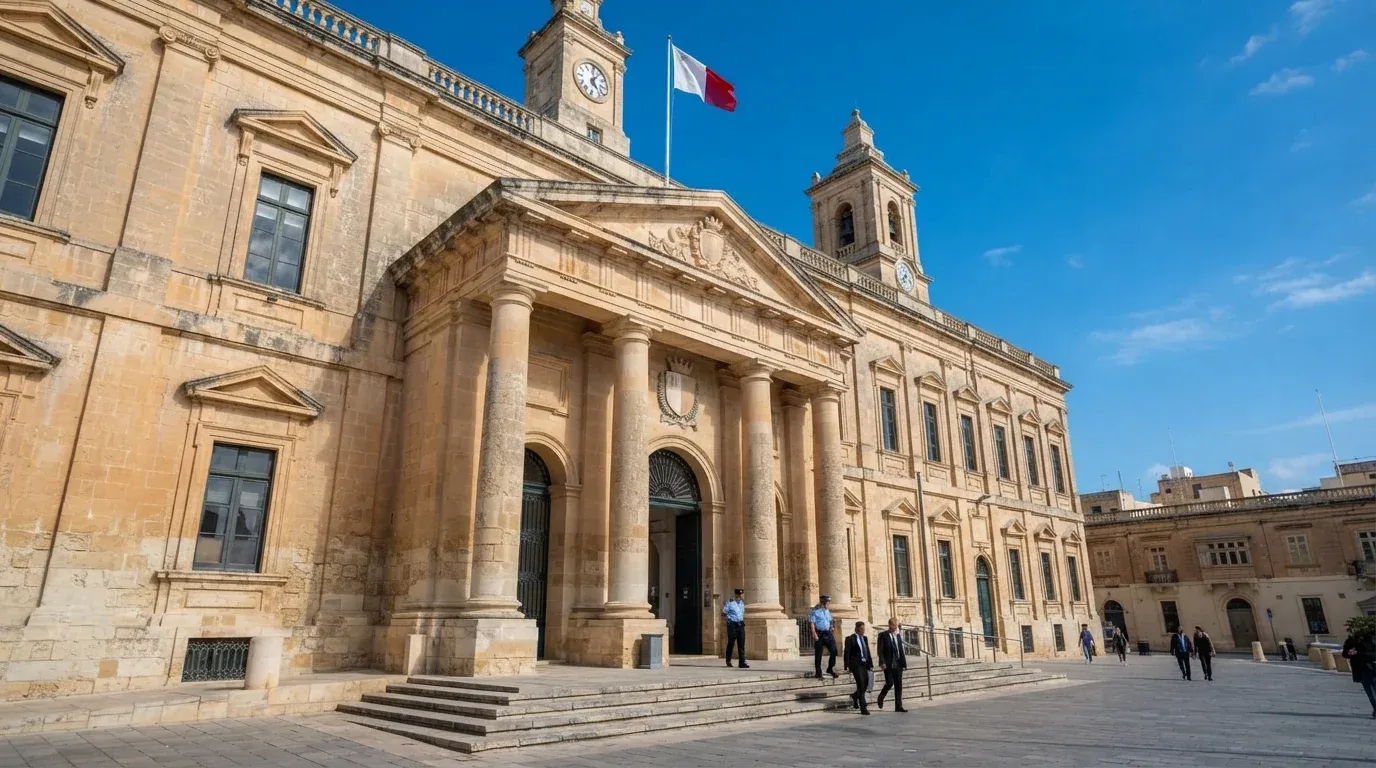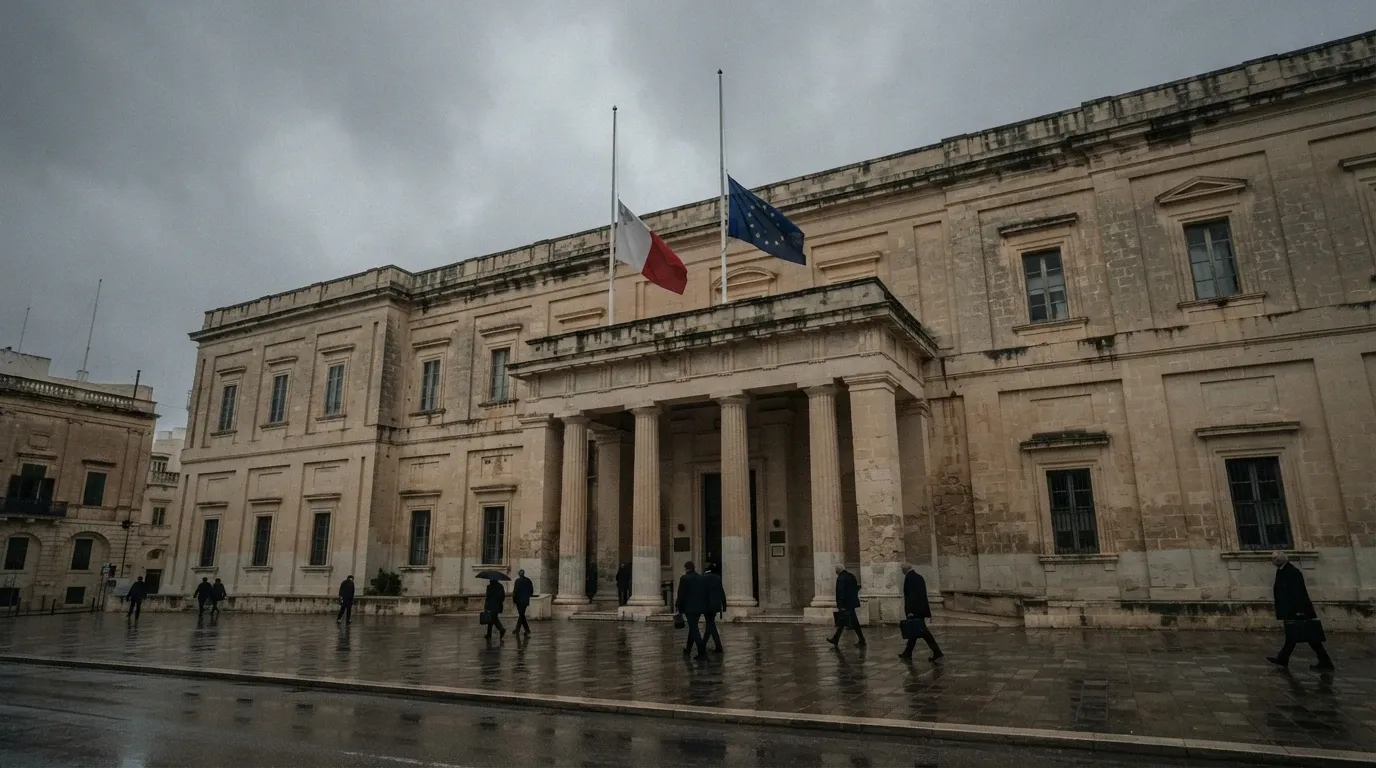
The Armed Forces of Malta (AFM) have been patrolling the streets of Swieqi since mid-August 2026, a development that crystallizes a decade of enforcement gaps, planning missteps, and regulatory inertia that transformed a residential locality into what critics now call an "extension of Paceville." The deployment, ostensibly to curb antisocial behavior during nighttime hours, marks a turning point in Malta's reckoning with overtourism and the unchecked expansion of short-let accommodations.
For residents living in Malta—particularly in tourism-adjacent localities—this is not merely about one neighborhood's struggle. Swieqi's predicament exposes systemic vulnerabilities in how the island manages growth, enforces existing regulations, and balances economic gain with livable communities. The soldiers on patrol are a symptom, not a solution.
Why This Matters
• Military on civilian streets: AFM personnel now assist police in Swieqi patrols, a move that raises questions about the blurring of civilian policing and military roles.
• Short-let saturation: Multiple Swieqi buildings now house hundreds of short-term rental beds, with some facilities operating on an industrial scale without proper oversight. Local officials have flagged concerns about buildings operating as de facto commercial hotels in residential zones.
• Enforcement vacuum: A regulatory crackdown announced in early 2026 and meant to take effect by June 1, 2024, had faced significant delays, with reforms still pending by August 2026, fueling local frustration.
• Police gap: The Swieqi police station closed years ago, leaving the overstretched St Julian's district force to cover multiple localities with response times exceeding 20 minutes.
The Roots of a Predictable Crisis
Swieqi's troubles did not emerge overnight. Since at least 2016, the Swieqi Local Council and residents have flagged escalating issues: noise pollution, vandalism, public urination, and garbage accumulation. The locality sits adjacent to Paceville, Malta's nightlife epicenter, making it a natural spillover zone for late-night revelers. But geographic proximity alone does not explain the current state.
The real accelerant has been the proliferation of unregulated short-let apartments. Many of these operate as de facto commercial hotels in areas zoned for residential priority, bypassing the scrutiny conventional businesses face. Mayor Noel Muscat has repeatedly emphasized that the locality is drowning under the weight of this unregulated market. Buildings designed for families now house transient guests, often young tourists drawn by cheap accommodation and proximity to nightlife.
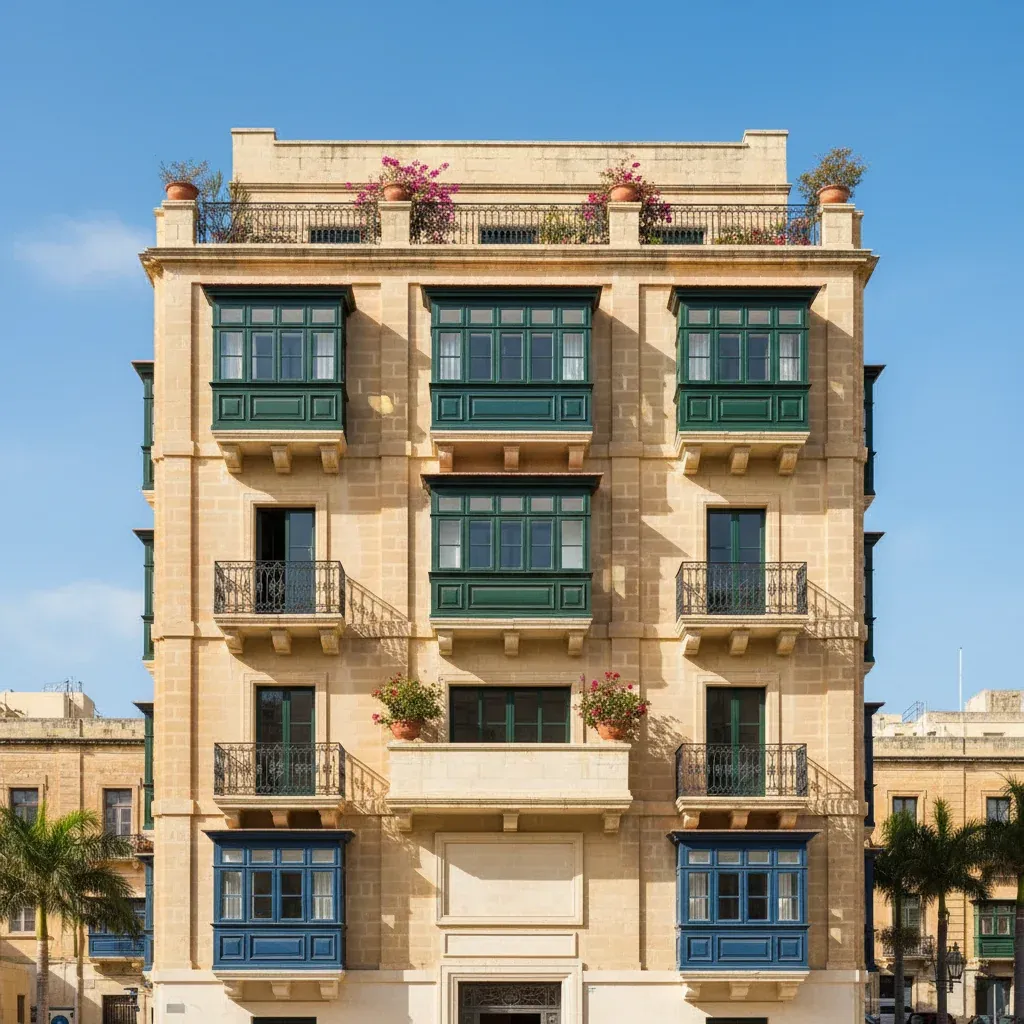
A 2006 planning decision allowing extra storeys and recessed penthouses fundamentally reshaped Swieqi's character, replacing two-storey houses with blocks of flats. Combined with a hands-off approach to enforcement, this policy shift created conditions for landlords to invest heavily in short-let conversions.
Enforcement Gaps That Allowed the Situation to Fester
The Malta Police Force has been unable to meet the demand for patrols in Swieqi, largely because the locality falls under the St Julian's police district, which also covers several other areas. A dedicated Swieqi station operated briefly in 2016 but was shut down after roughly a year, creating a critical coverage gap during the hours when disorder peaks—typically after midnight, when crowds disperse from Paceville.
Response times in excess of 20 minutes have become routine, and outdated reporting methods further hamper efficiency. Residents describe scenes of drunken disturbances, vandalism, and littering that go unaddressed for hours. The local council, meanwhile, possesses limited legislative and financial tools to tackle the problem on its own.
A regulatory crackdown was announced in early 2026, with stricter measures on short-let-related disorder slated for implementation by June 1, 2024. More than a month into August 2026, the promised reforms had faced continued delays. Infrastructure investments, including the installation of CCTV cameras, have also lagged; only 30 cameras were deployed, a figure local officials deem inadequate for the locality's size.
What This Means for Residents
For anyone living in Malta, Swieqi's trajectory offers a cautionary tale about how enforcement gaps compound over time. The deployment of soldiers signals that the government has reached the limits of its conventional enforcement capacity, at least in the short term. But it also raises uncomfortable questions about the approach to policing and the role of the military in civilian life.
Repubblika, a rule-of-law advocacy group, has criticized the move as an "extreme measure" that underscores deeper failures in public policy, including thin police resourcing and weak regulation. Deputy Mayor Jordan Galea Pace, by contrast, welcomed the deployment as a necessary step to deter antisocial behavior and restore residents' peace of mind.
The practical takeaway for residents is this: localities near high-traffic tourism zones face mounting strain without corresponding investment in enforcement infrastructure. If you live in or near St Julian's, Sliema, or similar areas, the Swieqi experience suggests that local councils will struggle to manage spillover effects unless central government provides both regulatory teeth and police capacity.
The situation also has economic implications. Property values in overrun localities may stagnate or decline as quality of life deteriorates, while unlicensed short-let operators undercut legitimate hospitality businesses. For homeowners and long-term renters, this creates a precarious environment where neighborhood character can erode rapidly.
A Decade of Planning Missteps
Opposition Leader Alex Borg has framed the Swieqi crisis as a symptom of governance challenges, arguing that Malta's tourism strategy has prioritized quantity over visitor numbers without ensuring that infrastructure, enforcement, and community well-being keep pace.
A 2024 court ruling offered a glimpse into systemic issues within the Planning Authority. The court revoked a permit for a 10-storey hotel in Swieqi, finding that the authority had failed to follow proper procedure. The ruling underscored longstanding complaints that planning decisions have not consistently balanced residential interests with development proposals.
Civil society groups have also pointed to stalled reforms of Bills 143 and 144, legislation meant to address planning and development issues. Critics argue that delays in amending these bills have left residents vulnerable to rapid development decisions.
Can the Situation Be Reversed?
The deployment of soldiers may provide short-term deterrence, but it does not address the underlying issues: unregulated short-lets, insufficient police resources, and a planning framework that has not adequately protected residential character. Several measures could begin to address these challenges:
• Mandatory licensing and inspections for short-let operators, with penalties severe enough to deter unlicensed activity.
• Reopening the Swieqi police station or significantly boosting patrols in the St Julian's district.
• Stricter zoning enforcement to prevent de facto hotels from operating in residential areas.
• Empowering local councils with greater legislative and financial authority to manage tourism-related issues.
• Capping short-let density in vulnerable localities to prevent saturation.
Without comprehensive reform, Swieqi risks demonstrating how enforcement gaps and regulatory delays can erode community well-being. For residents across Malta, the question is whether the government will treat this as a catalyst for systemic change or as a localized problem to be managed with temporary military patrols.
The answer will shape not only Swieqi's future but also the trajectory of other localities caught between economic ambition and livability. The soldiers on the streets are a visible reminder of the challenges posed by rapid tourism growth without corresponding infrastructure investment.