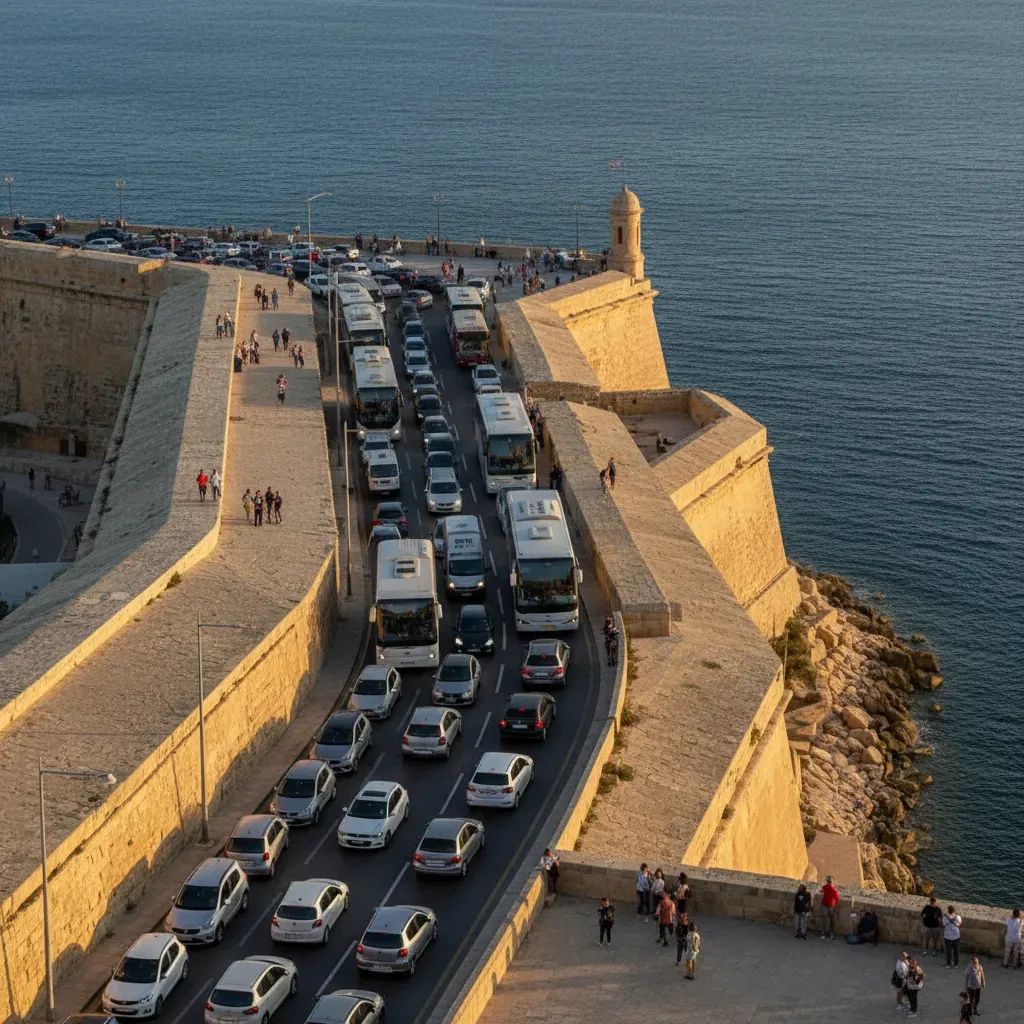
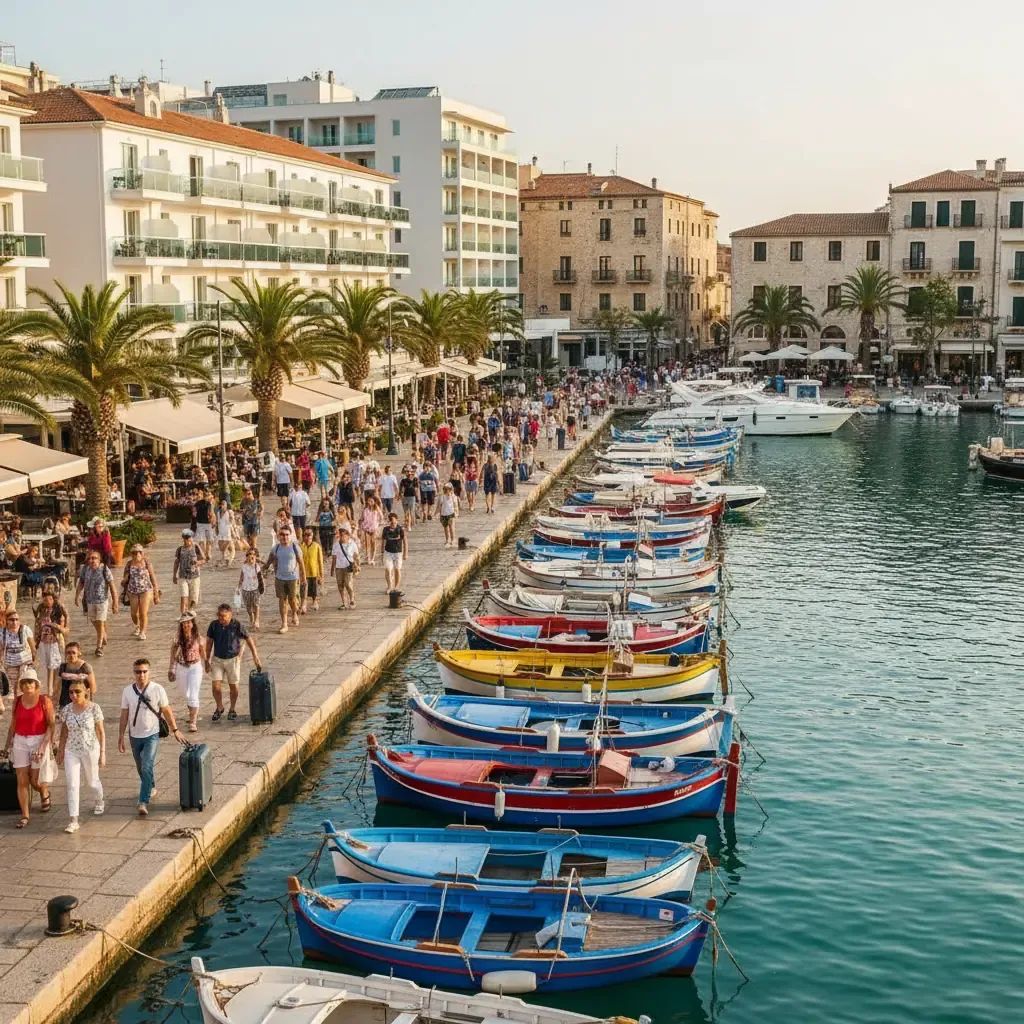
The Building and Construction Authority in Malta has imposed a seasonal construction blackout across designated tourist zones, halting all demolition and excavation activity for 15 weeks during the island's peak visitor season. The prohibition runs from June 15 through September 30, 2026, and applies to areas where the noise, dust, and disruption from construction work would clash with the experience that tourists pay premium prices to enjoy—and where residents themselves demand a break from months of development pressure.
Why This Matters
• Hard dates: No demolition or excavation is allowed in designated tourist zones from June 15 to September 30, 2026.
• Enforcement: Violations can be reported directly to the BCA hotline at 138.
• Check the list: The Malta Tourism Authority publishes and updates the full schedule of affected streets and localities on its website.
• Legal basis: The ban is enforced under Subsidiary Legislation 623.08, Third Schedule 1c.
Which Areas Are Affected
The ban applies to what the Malta Tourism Authority officially classifies as "Tourist Zones"—the streets, neighborhoods, and commercial corridors where visitor density peaks during summer. The definition is dynamic: the MTA retains the authority to add or remove locations as tourism patterns shift. This year's published list includes hotel clusters, heritage districts, coastal promenades, and popular dining and nightlife strips across the island.
The zones are not necessarily limited to traditional resorts. Some residential neighborhoods adjacent to high-traffic tourism precincts are also included, reflecting the reality that noise and dust do not respect zoning boundaries. For residents in these areas, the ban offers a statutory reprieve from the sound of jackhammers and the sight of excavators tearing up streets outside their windows. For developers, it means a mandatory pause on projects that were hoping to complete structural phases before autumn weather turns unpredictable.
The Push-and-Pull of Development Versus Tourism
Malta has long walked a tightrope between aggressive real estate development and the preservation of its tourism product. The island is small—just 316 square kilometers—and every new hotel, apartment tower, or commercial complex competes for space with the very atmosphere that draws millions of visitors annually. The construction boom of the past decade has brought economic dividends but also mounting complaints from both residents and the hospitality sector.
Hotels in tourist zones reported that guests frequently complained about early-morning drilling, afternoon dust clouds, and blocked access to heritage sites. In parallel, residents described a relentless cycle of noise that began at dawn and lasted through the evening. The seasonal ban is the government's response: a pragmatic trade-off that prioritizes the visitor experience and community well-being during the months when Malta earns the bulk of its tourism revenue.
Industry observers note that the measure is not new in principle—Malta has experimented with similar restrictions in prior years—but the formalization under Subsidiary Legislation 623.08 and the clarity of the dates signal a more robust enforcement posture. The involvement of the Malta Tourism Authority in defining the zones is also notable, as it shifts part of the regulatory authority away from purely construction-focused agencies and into the hands of those who manage the island's brand and economic positioning.
How Other Destinations Handle Construction Noise in Peak Season
Malta's approach is part of a broader trend. Across the Mediterranean, municipalities in Spain impose strict construction hours during August, typically confining work to narrow windows between 9 a.m. and 2 p.m. and again from 5 p.m. to 8 p.m., with some local governments banning all residential construction outright during the month. The logic is similar: tourism is a revenue pillar, and noise complaints during high season can damage reputations and future bookings.
In Hawaii, where tourism is equally central to the economy, construction noise is capped at 55 decibels during daytime hours in residential areas—one of the lowest thresholds in the United States. Special permits are required for louder activities, and the process is deliberately slow and costly to discourage unnecessary disruptions. In New York City, after-hours work on weekends requires special authorization, and projects must submit a Construction Noise Mitigation Plan before breaking ground.
What distinguishes Malta's framework is the outright prohibition of certain activities rather than merely restricting hours or decibel levels. Demolition and excavation—among the loudest and most disruptive phases of construction—are not permitted at all in tourist zones during the summer, regardless of whether the developer could theoretically meet noise limits. This reflects a policy judgment that even compliant work would undermine the visitor experience in key areas.
What This Means for Residents and Developers
For residents in tourist zones, the ban is straightforward relief. If you live within the designated areas, you can expect 15 weeks without the sound of heavy machinery outside your window. The BCA hotline at 138 gives you a direct enforcement tool: if a contractor violates the ban, a single call can trigger an inspection and potential sanctions.
For developers, the consequences are more complex. Projects that involve demolition or excavation must either complete those phases before June 15 or postpone them until October 1. That creates a pinch point: the weeks leading up to the ban become a compressed window to finish noisy work, while the weeks after the ban lift see a surge in demand for excavation equipment and qualified operators. Contractors who fail to plan around the calendar risk months of delay.
There is also a financial dimension. Construction loans accrue interest, and fixed costs like site security, insurance, and project management continue whether work is happening or not. A 15-week pause can add significant carrying costs to a development budget. For smaller firms, the ban may force a choice between absorbing the expense or walking away from projects entirely.
Enforcement and Compliance
The Building and Construction Authority has made enforcement a public-facing priority. The 138 hotline is advertised not just to residents but also to hotel managers and tourism operators, creating multiple channels for complaints. Inspectors can issue stop-work orders on the spot, and repeat violators face escalating penalties, including fines and potential suspension of future permits.
The Malta Tourism Authority's role in maintaining and updating the list of affected streets introduces an element of fluidity. If a new hotel opens or a neighborhood suddenly becomes popular with tourists, the MTA can add it to the restricted zone mid-season. Developers and contractors are advised to check the published list regularly rather than relying on historical precedent.
The Broader Context
Malta's summer construction ban sits within a larger conversation about how small, tourism-dependent economies manage infrastructure development. The island has seen rapid population growth—fueled in part by iGaming, financial services, and remote workers—and that growth has strained housing supply, utilities, and public space. Construction is both a symptom of success and a source of friction.
The ban acknowledges that friction cannot be eliminated, only managed. By concentrating disruption into the off-season—October through May—the government aims to protect the tourism product while still allowing development to proceed. Whether that balance is sustainable remains an open question. The construction industry argues that the ban compresses too much work into too few months, driving up costs and reducing housing supply. Residents and tourism operators counter that without the ban, the summer experience would deteriorate to the point of driving visitors elsewhere.
For now, the ban is in effect. Demolition and excavation equipment will sit idle in tourist zones through the end of September, and the BCA will field calls on the 138 hotline. The test will be whether the policy achieves its dual aim: preserving the visitor experience and giving residents a seasonal reprieve, without choking off the development the island's growing population requires.