
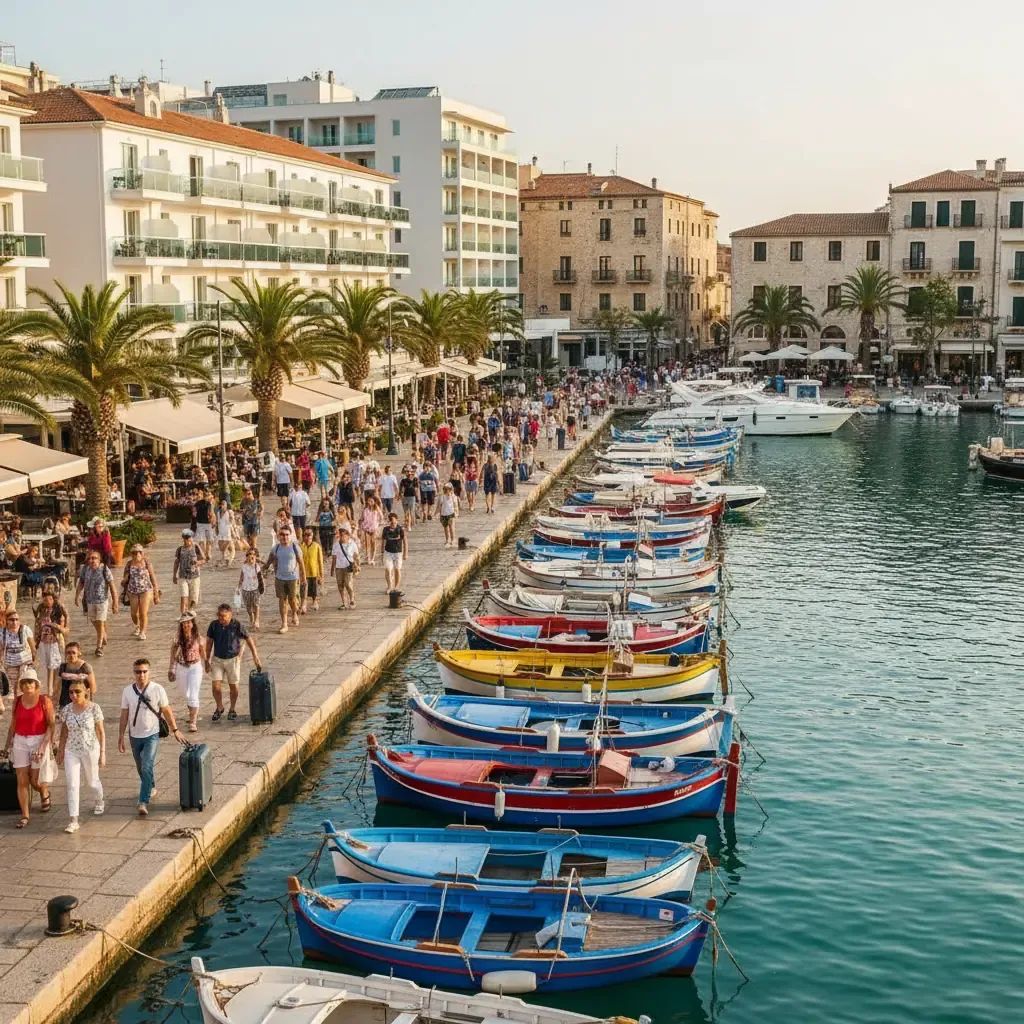
Malta has emerged as a standout in European tourism, according to statements from the Malta Tourism Authority (MTA), having successfully evolved beyond the traditional seasonal boom-and-bust cycle that characterizes many Mediterranean destinations. This shift represents a structural transformation in how the archipelago positions itself in the global travel economy—no longer exclusively a summer beach getaway, but increasingly a year-round destination capable of drawing visitors across all seasons.
Why This Matters:
• Economic stability: Hotels, restaurants, and tour operators can maintain steadier employment and revenue throughout the year, reducing reliance on seasonal contracts.
• Competitive positioning: Malta now attracts diverse visitor motivations beyond traditional beach tourism, including cultural heritage, language education, and business travel.
• Infrastructure considerations: More consistent year-round demand creates ongoing pressure on housing, transport, and public services that previously had seasonal recovery periods.
The MTA CEO described the island's tourism evolution as a "remarkable achievement," signaling official recognition that the tourism model has fundamentally transformed over the past decade. Where Malta once depended heavily on sun-and-sea packages clustered between summer months, it now attracts visitors motivated by cultural heritage, language schools, medical services, gaming conventions, and other year-round activities.
How Malta Achieved Year-Round Tourism
Malta's transformation into a consistently busy destination didn't happen by accident. The MTA and successive governments have pursued deliberate strategies over the past 15 years to attract visitors outside the traditional peak window.
Cultural tourism has been a cornerstone. The island has leveraged its UNESCO World Heritage sites—including Valletta's Baroque architecture and the megalithic temples—by marketing them as attractive destinations when Mediterranean heat is less intense. Events are strategically scheduled throughout the year to create demand anchors across seasons.
English-language education has become a significant year-round driver. Malta hosts numerous accredited language schools that draw students from diverse regions during winter months. These visitors typically stay longer than conventional tourists and contribute meaningfully to accommodation and local service sectors.
Medical and wellness services have grown steadily, with private clinics offering services to patients from the EU and neighboring regions. The sector benefits from Malta's Schengen Area membership and English-speaking professional staff.
Corporate and conference tourism also contributes meaningfully, with business events distributed throughout the year across various sectors.
What This Means for Residents
For Maltese residents, the year-round tourism model brings both benefits and challenges. On the economic side, the hospitality sector now offers more stable, full-time employment opportunities rather than seasonal contracts. Restaurants and service businesses can plan staffing and operations with greater predictability.
However, the absence of a true off-season also means sustained pressure on public infrastructure and housing availability. Locals who previously reclaimed public spaces during winter months now find tourist presence consistent year-round. Housing rental dynamics have shifted, with competition from short-term tourist accommodations affecting long-term residential availability.
Infrastructure and planning authorities acknowledge that while year-round tourism supports economic activity, it requires continuous investment in roads, waste management, and public transport without traditional seasonal pauses for maintenance and upgrades.
Competitive Context
Malta's positioning as a consistent year-round destination distinguishes it from many comparable Mediterranean locations. Unlike destinations heavily dependent on peak-season arrivals, Malta's diversified visitor base and climate advantages support more stable tourism flows throughout the calendar.
This competitive positioning carries implications for investment and infrastructure planning. International hospitality and transport operators view low-seasonality markets as more stable for business planning and capital investment, since revenue potential extends across the full year.
Strategic Considerations Ahead
The evolution of Malta's tourism sector toward year-round consistency presents both opportunities and management questions. The island's geographic constraints and existing population density mean that continuous visitor flows require careful planning around infrastructure capacity and sustainability.
Environmental considerations have emerged as important factors, with ongoing discussions about balancing tourism revenue with conservation of natural and marine environments. Maintaining quality tourism experiences while managing consistent year-round demand requires strategic policies focused not only on visitor numbers but also on sustainable growth.
The tourism industry and government stakeholders have emphasized that year-round operations demand higher operational standards and continued investment in staff training and infrastructure capacity.
Looking Forward
Malta's evolution into a year-round tourism destination reflects strategic investment and geographic positioning. For residents, this translates into economic opportunities alongside persistent pressure on local resources and spaces. For policymakers, it presents the challenge of managing consistent tourism flows while protecting quality of life and environmental sustainability.
The island's tourism future will likely depend on balancing growth with the capacity and quality considerations that define sustainable long-term success.


