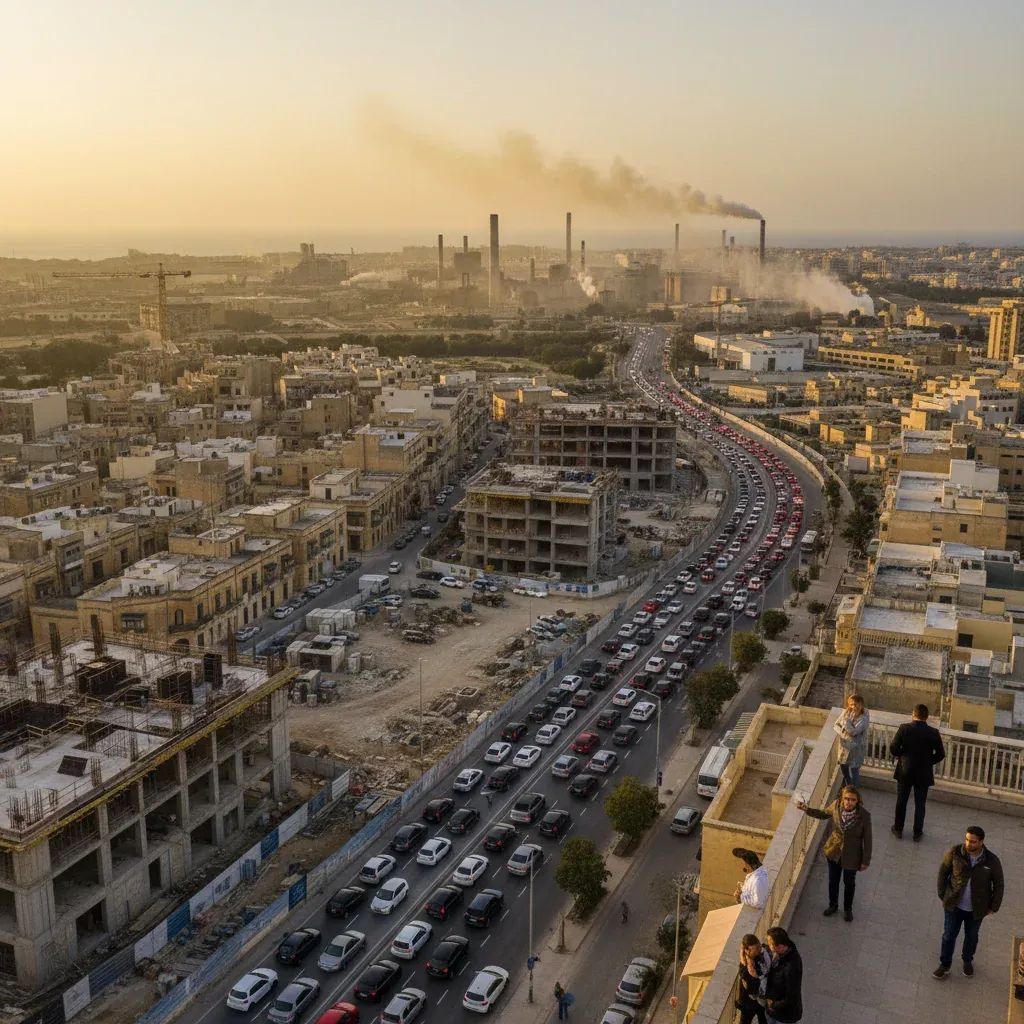
Malta is not immune to the accelerating global heatwave crisis that has already claimed hundreds of lives across Europe in 2026. As a small island nation positioned in a subtropical zone, Malta faces particular vulnerability—the island now experiences up to 50 additional days of strong-to-extreme heat stress annually compared to previous decades. For residents and expatriates on the island, understanding both the evolving local threat and the practical measures that can prevent heat-related deaths has become essential.
Why This Matters for Malta
• France reported 45 deaths in a single heat dome event this June, with elderly residents and children among the fatalities—a warning of what intensifying heatwaves can cause
• One billion more people globally now face at least one day of "extreme heat stress" annually compared to the 1970s
• Malta's geographic vulnerability: The island's subtropical position and urban density create a heat island effect, meaning actual temperatures in populated areas like Valletta and Sliema often exceed national averages by 2-4°C during heatwaves
• Malta's aging population—approximately 22% of residents are over 65—means a significant proportion of the island faces elevated heat-related health risks
• Effective early warning systems and community action plans have demonstrably reduced mortality in countries like France after implementation
The Invisible Emergency Unfolding Across Europe—and at Malta's Doorstep
While dramatic weather events like hurricanes generate immediate headlines, extreme heat operates as what public health officials increasingly call a "silent killer." The death toll mounts quietly—an elderly neighbor who doesn't seek help, outdoor workers pushing through dangerous conditions, children left in vehicles for mere minutes.
The numbers from 2026 paint a stark picture. In southern India's Andhra Pradesh and Telangana states, more than 100 people died within just three days during a May heatwave. The United Kingdom recorded over a dozen deaths in the same month, including four teenagers who drowned seeking relief from oppressive temperatures. And in France, the situation escalated dramatically: at least 45 deaths attributed to a record-breaking heat dome, with 40 of those being drownings as desperate citizens sought any escape from the relentless heat.
For Malta residents, these aren't distant disasters. The Mediterranean region where Malta sits is experiencing accelerating temperature increases, and the island's vulnerability as a small land mass with limited natural cooling factors means heatwaves here can be particularly intense and difficult to escape.
Who Faces the Greatest Risk on Malta
Not everyone experiences heatwaves equally. On an island like Malta, certain populations face disproportionate danger, and understanding these vulnerabilities is essential for both individual protection and community response.
Older adults over 65 represent the highest-risk category, and this is particularly significant for Malta. Heat-related mortality for this age group surged by approximately 85% between 2000–2004 and 2017–2021. Their bodies struggle to regulate temperature effectively, and many take medications that further impair heat response. With more than one in five Maltese residents in this age bracket, elderly heat protection is a community-wide concern. Many older residents live alone or have limited access to air-conditioned spaces, compounding the risk.
Infants and young children face their own set of dangers. Their smaller bodies and less efficient thermoregulation systems make them vulnerable to rapid overheating. The French heat dome claimed two children found in a hot car—a tragedy that underscores how quickly vehicles become death traps even in seemingly moderate conditions. On Malta's roads where cars are regularly parked in direct sun during summer, this risk is especially acute.
Pregnant individuals confront risks that extend beyond their own health. Heatwave exposure during pregnancy increases the likelihood of preterm birth, low birthweight, and stillbirths. For expectant mothers in Malta, understanding these risks and taking preventive measures becomes doubly important.
Expatriates from cooler climates represent a specific vulnerability often overlooked in heat preparedness discussions. Expats arriving in Malta from Northern Europe, the UK, or North America frequently underestimate the intensity of Mediterranean summer heat and take time to acclimatize. New residents may lack air conditioning, understanding of local heat patterns, or awareness of adequate hydration practices for this climate. They may also be less connected to community alert systems if they primarily access English-language information.
The island's outdoor workers—those in construction, agriculture, delivery services, and tourism—face prolonged exposure with limited ability to seek shelter during peak heat hours. Malta's workplace heat regulations require employers to assess heat risks, but enforcement and awareness vary. People experiencing homelessness or inadequate housing without access to air conditioning represent another acutely vulnerable group, particularly as nighttime temperatures remain elevated on the island, preventing the body's natural recovery process.
What Malta Residents Can Do Today
Individual action matters, especially in the absence of comprehensive national heat response infrastructure that some European neighbors have implemented. The strategies that save lives during heatwaves are straightforward, though often neglected—and Malta residents have several local resources to support these efforts.
Monitor official alerts and the heat index: Malta's Civil Protection Department issues heat warnings, typically available through local media and government channels. Monitor "feels-like" temperature, not just the raw thermometer reading. Humidity dramatically affects how your body experiences heat. When the heat index climbs above 40°C, even healthy adults should limit outdoor activity. For emergencies, contact 199 (National Emergency Service) or visit your nearest Mater Dei Hospital emergency department.
Create a cooling plan before you need it. Identify air-conditioned spaces you can access—shopping centers (such as The Point in Sliema or Pavi in Birkirkara), public libraries, community centers, or the homes of friends and family. Know their hours and locations. If you have air conditioning at home, understand that running it efficiently during peak heat is not a luxury but a health necessity. For those without AC, wet towels on the neck and wrists, cool baths, and strategic use of fans (though only when temperatures are below 35°C—beyond that, fans can actually accelerate dehydration) provide some relief.
Check on vulnerable neighbors. Social isolation dramatically increases heat mortality. A simple daily phone call or visit to an elderly neighbor, particularly those living alone or without reliable access to air conditioning, can be lifesaving. The Dutch National Heatwave Plan emphasizes this community approach with the message: "look after each other when it is hot." For elderly residents needing support, local councils in Valletta, Sliema, Mosta, and other municipalities may offer welfare check services during heatwaves—contact your local council for specific programs.
Hydrate strategically. Water intake should increase before you feel thirsty—thirst indicates you're already experiencing mild dehydration. Avoid alcohol and limit caffeine, both of which accelerate fluid loss. For outdoor workers in Malta's construction, agriculture, and tourism sectors, this means drinking water every 15–20 minutes during heat exposure, not waiting for breaks. Employers are legally required to provide adequate water access and shade breaks; workers should report violations to workplace health and safety representatives.
Recognize the warning signs of heat exhaustion and heat stroke. Excessive sweating followed by suddenly dry skin, confusion, rapid heartbeat, and nausea all demand immediate medical attention. Heat stroke can kill within hours if untreated. Seek emergency care immediately by calling 199 or going directly to Mater Dei Hospital emergency services.
For non-English/Maltese speakers: Heat warnings and health information may not always be available in other languages. Connect with community organizations serving expat populations, such as those assisting migrants and foreign residents, to ensure language-accessible alert systems.
Global Innovations Offering Hope—and Local Opportunities
While the threat intensifies, so too does the international response. Several countries have implemented systems and technologies that Malta might adapt or that residents can leverage individually.
France's heat watch warning system, established after the devastating 2003 heatwave that killed 15,000 people, has demonstrably reduced mortality in subsequent heat events through coordinated alerts and emergency response protocols. The system triggers specific actions at various temperature thresholds, including wellness checks on registered vulnerable individuals.
The United Kingdom now employs a dual-layer alert system integrating both health-sector coordination and public-facing messaging. This approach has improved response times and reduced preventable deaths.
At the technological frontier, researchers have developed wearable sensors that monitor heat stress in real-time, particularly valuable for outdoor laborers. Some employers in high-risk sectors are beginning to mandate their use. AI-enhanced early warning systems can now forecast extreme heat exposure up to nine months in advance, providing unprecedented preparation time.
Urban planning innovations offer longer-term solutions. Cities worldwide are deploying cool roofs with reflective materials, creating mini-forests to reduce temperatures through shade and evapotranspiration, and installing public misting systems in parks and gathering spaces. Jaipur, India has pioneered a net-zero cooling station that provides relief without fossil fuel consumption.
For Malta, with its dense urban centers and limited green space in some communities, these infrastructure approaches could significantly reduce the urban heat island effect that amplifies temperatures in built-up areas like Valletta and Sliema. Local environmental organizations and the Planning Authority could collaborate on implementing green corridors and reflective surface initiatives in future urban development.
The Economic and Health System Burden
The costs of inadequate heat response extend beyond mortality statistics. Heat-related hospital admissions strain Malta's healthcare system precisely when medical staff face their own heat stress. Mater Dei Hospital and secondary care facilities across the island see increased emergency admissions during heatwaves, with heat stroke, dehydration, and exacerbation of chronic conditions as primary causes. Emergency services respond to more calls during heat events, while productivity across sectors declines as workers struggle in dangerous conditions.
Climate change projections indicate that heatwave frequency, intensity, and duration will continue increasing. Global heat-related mortality between 2012–2021 reached an estimated 546,000 deaths annually—and researchers consider this conservative due to data limitations and underreporting.
For Malta specifically, the island's position in a subtropical zone now experiencing dramatically more days of extreme heat stress means that what might have been considered an exceptional heat event a decade ago is becoming the summer norm. Adaptation is no longer optional.
What Effective Preparedness Looks Like
Countries with comprehensive Heat Action Plans share common elements that Malta could strengthen or implement. These include standardized heat risk definitions that trigger specific responses, clear agency roles so residents know where to seek help, multi-sector coordination connecting health services with emergency response and social services, and robust early warning systems that reach vulnerable populations before temperatures spike.
The Netherlands triggers its national heatwave plan when forecasts predict several consecutive days above 27°C, considering both daytime and nighttime temperatures plus humidity. In the Republic of Korea, mobile networks send personalized heat warnings based on location and local conditions, complemented by corporate-backed cooling stations.
Orange County, USA expanded its 2026 Heat Action Plan to emphasize digital communication channels, leveraging social media and local government websites to raise awareness. This multi-channel approach recognizes that different populations access information differently—older residents might rely on traditional media while younger workers check social platforms.
The absence of formal global standards means preparedness varies dramatically between countries. Common shortcomings include inadequate dedicated funding, weak long-term planning, and limited evaluation capacity. Yet the evidence is clear: places with comprehensive plans demonstrably save lives.
The Path Forward for Malta
As 2026 continues to shatter temperature records—with some climate scientists predicting it may become the hottest year on record—the urgency of heat preparedness intensifies. For people living in Malta, this means both personal vigilance and advocacy for systemic improvements.
Immediate actions Malta residents can take:
• Contact your local council (Valletta, Sliema, Mosta, Naxxar, etc.) and ask about heat preparedness initiatives and cooling centers available during summer months
• Advocate to the Ministry of Health and Malta's Civil Protection Department for expanded heat warning systems, particularly multi-language alerts for expat communities
• Volunteer with community organizations to check on vulnerable elderly neighbors during declared heat events
• Encourage your workplace to implement heat safety protocols, particularly if you work outdoors. Malta's Employment and Industrial Relations Authority (EIRA) oversees workplace heat regulations—report violations.
Community-level improvements worth advocating for:
• Expansion of public cooling centers in major towns during peak summer months
• Enhanced early warning systems reaching vulnerable populations through multiple channels (SMS, email, social media, local radio in multiple languages)
• Urban greening initiatives and reflective surface policies to reduce the island's heat island effect
• Subsidized air conditioning support for elderly residents and low-income households
• Mandatory heat safety training for outdoor workers in construction and agriculture sectors
Resources for Malta residents:
• Emergency Services: 199
• Health Information: Mater Dei Hospital Main: +356 2545 0000
• Civil Protection Department: For official heat alerts and emergency preparedness information
• Local Councils: Contact your respective local council for community services and welfare programs
• Employment Issues: Malta's EIRA for workplace heat safety violations
The global response demonstrates that heat deaths are largely preventable with proper preparation and coordinated action. France's dramatic mortality reduction after implementing comprehensive heat response systems proves that even countries with severe heat events can protect their populations when political will and resources align.
For Malta, the question is not whether heatwaves will continue intensifying—the data confirms they will—but rather how quickly the island adapts its infrastructure, public health systems, and community practices to this accelerating reality. In the meantime, individual awareness and action remain the most reliable defense against what has become a predictable, preventable, yet increasingly deadly dimension of Mediterranean summers.
Quick Action Checklist for Malta Residents:
• ☐ Save emergency number 199 in your phone
• ☐ Identify 2-3 air-conditioned cooling centers near your home
• ☐ Create a hydration plan: drink water every 15-20 minutes during outdoor activity
• ☐ Check on elderly neighbors daily during heat alerts
• ☐ Download heat alert app or follow Malta's Civil Protection Department for warnings
• ☐ Ensure air conditioning maintenance completed before summer heat season
• ☐ Know the warning signs: confusion, dry skin, rapid heartbeat, nausea