
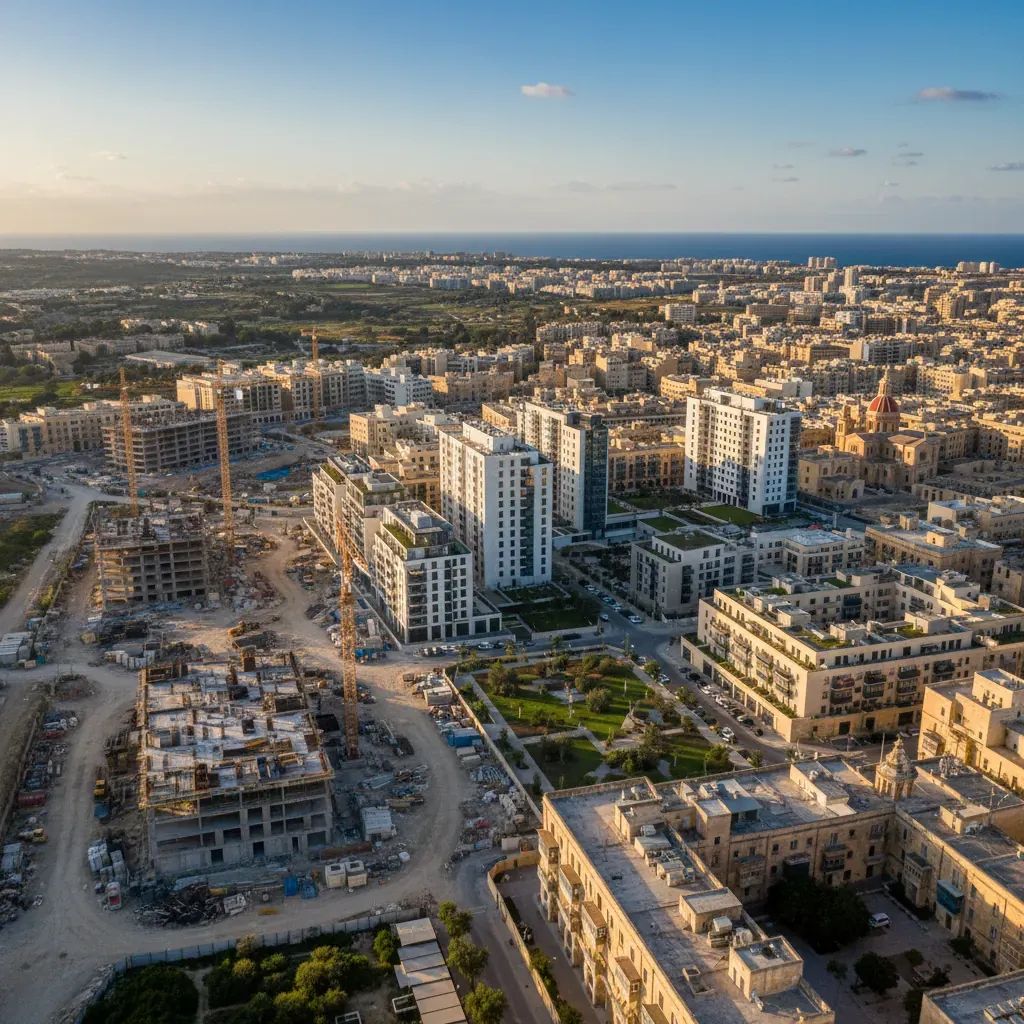
Valletta Capital City, long celebrated as a UNESCO World Heritage Site and one of Europe's most compact historic centers, is undergoing a transformation that has residents and urban watchdogs sounding alarms. Since 2024, the systematic handover of public spaces to private developers—through decades-long concessions and hotel conversion schemes—is fundamentally altering who can access the city's squares, waterfront, and historic buildings. For the approximately 5,800 people who still call Valletta home, the shift means fewer gathering places, rising costs, and a daily environment increasingly designed for tourists rather than locals.
Why This Matters
• Major privatization underway: The old fish market (il-Pixkerija) and surrounding historic structures are being converted into a luxury hotel and yacht marina under a 65-year concession, removing more than two football fields of waterfront from public use.
• Quality of life declining: Residents report worsening noise pollution, obstructed pavements, parking shortages, and a sharp drop in shops selling everyday necessities as commercial focus tilts toward visitor spending.
• Regulatory response beginning: New licensing caps on short-term rentals took effect in 2026, attempting to slow gentrification and preserve long-term housing stock.
• Regional pattern: Mediterranean port cities from Málaga to Algiers face similar pressures, with tourism and neoliberal policies pushing public land into private hands.
The Concessions Remaking Valletta's Waterfront
The most visible example of this trend centers on Valletta's Grand Harbour waterfront, where a cluster of historically significant properties is being bundled into private development. The Carmelo Stivala Group is in advanced negotiations to secure a concession package that includes the old fish market building, the structure currently housing the Malta Energy Ministry, three historic stores dating to the era of Grand Master Pinto, and the former Quarantine Hospital—a Grade 1 heritage building. The deal also encompasses an extensive stretch of seashore slated for conversion into a yacht marina and berthing facilities.
The concession term: 65 years. The intended use: luxury hospitality and maritime infrastructure tailored to high-net-worth visitors. For residents, it represents the loss of one of the capital's last accessible waterfront zones, replacing open shoreline with gated marina services and hotel-only access.
Elsewhere in the city, the Evans Building is being earmarked for another hotel conversion. Meanwhile, a controversial 2025 transaction saw the Malta Government acquire half ownership of 36 Old Mint Street for €1.65M, compensating the private owner with parcels of public land and cash—a deal that prompted allegations of significant undervaluation of state assets.
What This Means for Residents
The shift from public to private control has cascading effects on everyday life in Valletta. Noise pollution from establishments and short-term rental properties ranks among the most frequent complaints from residents across the city center. Parking, already scarce in the pedestrian-heavy city, has deteriorated further as commercial tenants and visitors compete for limited spaces, particularly along Archbishop Street and the Waterfront area. Pavements and squares are increasingly obstructed by tables, chairs, and umbrellas, creating accessibility barriers for wheelchair users and parents with strollers.
Waste management has buckled under the pressure of higher foot traffic and commercial activity. More troubling for long-term viability, the local retail mix has hollowed out: traditional shops like the hardware store on Republic Street and the corner grocery near the Market have closed as landlords pivot to cafés, souvenir outlets, and boutique accommodation. Ongoing construction projects add layers of dust and daytime noise, compounding the sense that Valletta is being rebuilt for someone else.
Rising property values and rental prices—driven in part by the conversion of residential units into tourist lodging—have triggered gentrification, with multi-generational families priced out and neighborhood cohesion fraying. Residents describe their communities as "getting smaller and smaller" in both population and character. For some, the city has become "unlivable."
The Broader Pattern Across the Mediterranean
Valletta's experience reflects challenges facing historic port cities throughout the Mediterranean. In Málaga, municipal planners are developing methodologies to categorize public spaces by use, aiming to regulate café terrace expansion and prevent wholesale privatization. Participatory governance frameworks in Greek cities involve residents in co-designing public spaces, strengthening place identity and ensuring diverse needs are met. These alternative approaches offer potential models for Mediterranean cities seeking to balance tourism with resident welfare and cultural preservation.
Policy Responses and Resident Mobilization
Valletta residents have not remained passive. Organized protests and "reactionary counter-movements" have challenged contested privatizations and the pace of urban change, with demonstrators arguing that the city's identity is being erased. Historically, the Valletta community has been excluded from planning processes for major regeneration projects, fueling a sense that decisions are made for commercial benefit rather than resident welfare.
Regulatory authorities have begun responding. In 2026, stricter licensing and occupancy caps for short-term rentals came into force, part of an effort to rebalance housing stock toward long-term residents. The Malta Hotels and Restaurants Association (MHRA), in a June 2024 statement, called for greater discretion in granting permits for commercial events and outdoor seating in Valletta, noting that the entrance to the capital had been "overtaken by private commercial activities that do not fit the desired image" and undermined the city's positioning as a high-end destination.
A 2022 assessment highlighted how a public space at the Parliament building, originally designed by architect Renzo Piano as a democratic, open plaza, had been "obliterated" by metal barriers and temporary installations—a microcosm of unclear public realm definitions and overdevelopment pressures across the island.
The Ministry for Finance's 2026 Budget Speech, delivered in October 2025, outlined nationwide investments in transforming government lands and abandoned areas into accessible open spaces. However, specific measures addressing Valletta's privatization crisis were not detailed. In March 2026, a 4,000-square-meter natural space near the Simar Nature Reserve was opened after regeneration from abandonment—outside Valletta but signaling potential policy direction.
The Path Forward
The debate over Valletta's public spaces ultimately turns on competing visions of urban life: whether historic cities exist primarily as economic assets to be maximized through tourism and luxury development, or as living communities where public space serves the daily needs, social cohesion, and cultural continuity of resident populations. The outcome will shape not only Valletta's character but set precedents for heritage cities across the Mediterranean grappling with similar pressures. For Malta residents, the stakes are personal and immediate—the question is not abstract but determines whether Valletta remains a living capital or becomes a heritage museum for visitors.


