
Malta's Food Sector Stays Safe as Brussels Redraws Raw Sugar Rules
Malta's food manufacturers are breathing easier this May after the European Commission clarified which sugar products fall under its new trade restrictions—and refined white sugar, which is what actually keeps Malta's plants running, isn't one of them. The distinction matters enormously: around 600 jobs tied to sugar-dependent production lines across the island remain secure, consumer prices for locally made sweets and drinks won't jump, and export-oriented firms continue selling internationally without absorbing surprise input costs.
Why This Matters
• Refined sugar remains duty-free for Maltese confectionery, beverage, and baking manufacturers—the move only targets raw cane imports destined for refining and re-export outside Europe.
• No immediate job risk for workers in sugar-reliant sectors, from soft drink bottling to artisanal biscuit production.
• Production costs stay stable, preserving price competitiveness on both local supermarket shelves and export markets across southern Europe.
What Brussels Actually Did—and Why It Matters to Malta
On April 30, EU member states endorsed a temporary one-year suspension of the "inward processing regime" for raw cane sugar. The technicality conceals genuine business disruption for some European operators, but none of it touches Malta.
Here's the mechanics: historically, large refineries in Germany, the Netherlands, and France imported raw cane sugar duty-free, refined it into white sugar in their facilities, and shipped the finished product to buyers outside Europe. Südzucker AG, Nordzucker, and Tereos SA—the industrial giants operating sprawling refining hubs near Hamburg and Rotterdam—built their export divisions around this scheme. The arrangement worked well for them but undercut EU beet farmers, who watched their product lose market share as cheaper refined cane sugar flooded global markets. For decades, Polish, Belgian, and Czech beet growers watched their farm-gate prices compress while European refiners prospered from tariff-free raw imports.
Brussels's move closes that door for 12 months. Raw cane imports destined for re-export outside the EU now face tariffs. The intention is blunt: restore margin to beet farming within the EU by making duty-free cane refining temporarily uneconomical.
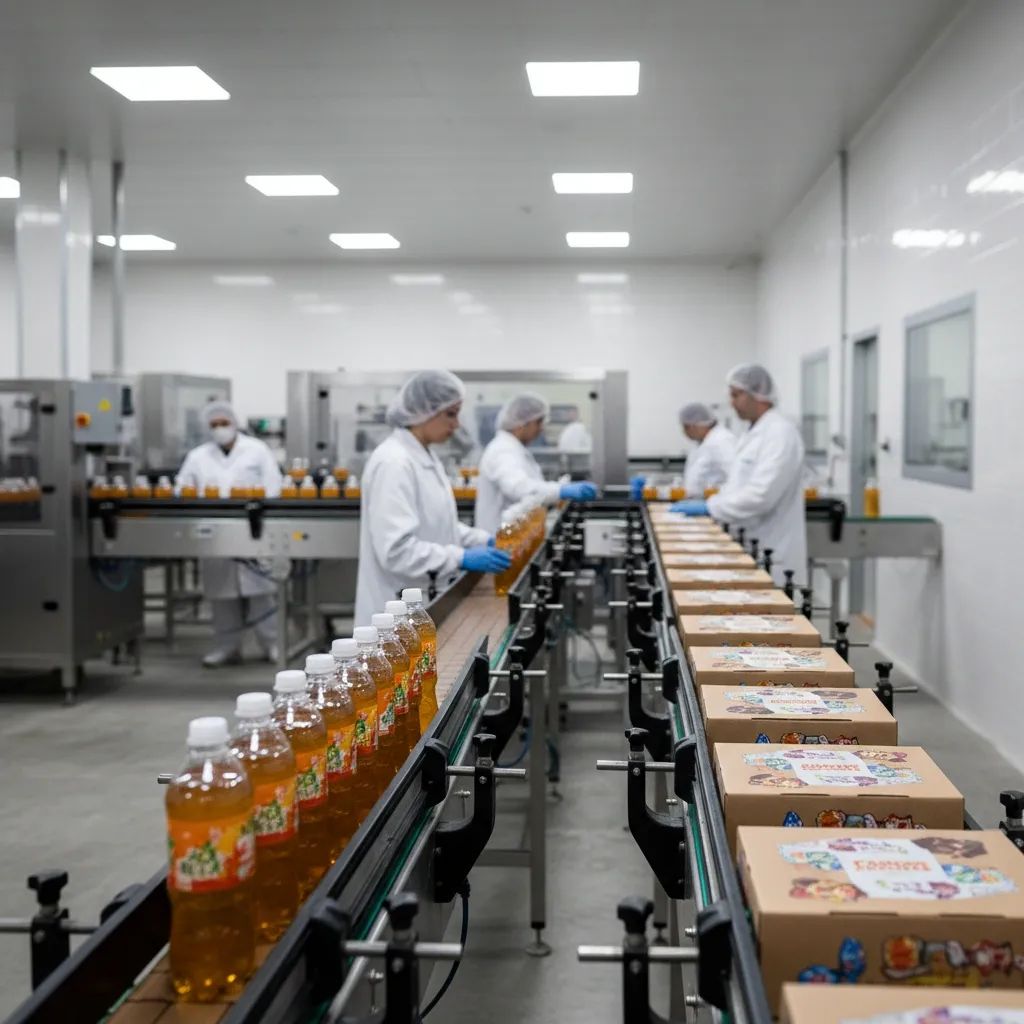
For Malta, the implication is zero. The island has never engaged in commodity-scale cane refining. There's no domestic sugar industry, no refining infrastructure, no orientation toward processing raw materials for external markets. What Malta's manufacturers do is fundamentally different: they import pre-refined white sugar—already processed, ready to use—and blend it into finished goods. A soft drink producer buys refined sugar by the container, mixes it into syrup, bottles the beverage, and ships the final product to European retail chains. That's value-added manufacturing. That's not the refining-for-export business model that triggered Brussels's intervention.
Brussels explicitly carved out refined sugar from the suspension. The exemption protects downstream manufacturers—anyone buying white sugar to make finished products for any market—from the new tariff environment. It's a surgical distinction that directly insulates Malta's entire food sector.
The Supply Chain Continues as Normal
Maltese sugar suppliers—Brazil, the United Kingdom, Mauritius, Italy, and the Netherlands—continue exporting refined white sugar at existing tariff rates. The existing 180,000-tonne duty-free quota for raw cane sugar under the EU-Mercosur trade agreement remains untouched, as does the supplementary 10,000-tonne allocation from Paraguay. Neither arrangement affects Malta anyway, since those raw imports are allocated to traditional EU beet farmers seeking preferential access to cheaper feedstock for blending into their own refined products.
The practical outcome is mundane but important: a Maltese confectionery maker buying refined sugar next week pays the same per-kilo price as last month. A beverage bottler maintaining export contracts across southern Europe faces identical input costs. A local biscuit manufacturer shipping products through the Benelux experiences no tariff creep squeezing margins. For workers, for families shopping locally, for companies competing internationally, nothing changes.
Why Continental Refiners Face Real Pressure
Across the EU, this suspension amounts to decisive intervention favoring the beet farming sector. The €2 billion-plus beet sugar industry—concentrated in Germany, France, Poland, and Belgium—spent years arguing that duty-free raw cane refining had systematically undercut their competitiveness. The numbers supported their case. As cheaper cane-derived sugar flooded export markets, wholesale rates collapsed, and farm-gate income compressed. A Polish beet grower's income per hectare declined steadily while European refiners using tariff-free imports built profitable export divisions.
Large refiners now confront a business recalibration. Südzucker's cane refining divisions will absorb higher input costs, at least temporarily. Nordzucker faces the same pressure. Some operations may reorient toward beet-based feedstock. Others may absorb tariffs and raise prices for non-EU buyers, pricing themselves out of competitive markets. A few might close marginal refining capacity. The uncertainty cuts both directions: protection for beet farmers, operational challenges for refiners dependent on low-cost global cane.
Malta's manufacturers benefit from geopolitical accident. They weren't part of the continental refining conversation and therefore weren't caught in the continental solution.
The Quiet Industry Shift Toward Healthier Formulations
Parallel to trade policy, Malta's food sector has been restructuring its sweetener sourcing around health trends for years. Major soft drink producers operating on the island committed to reducing sugar content by roughly 10%, replacing cane sugar in many formulations with stevia, erythritol, and maltitol—low-calorie alternatives that appeal to health-conscious consumers and align with EU public health campaigns against obesity and cardiovascular disease.
This diversification proved strategically sound. Specialty producers like Anurakti have built niche export businesses around diabetic-friendly desserts and zero-sugar confectionery using natural substitutes like monk fruit and allulose. Traditional Maltese sweets incorporating honey and brown sugar remain culturally rooted, but the industry-wide pivot toward innovation in low-calorie formulations has opened export opportunities in health-focused EU markets.
The shift also positions Malta favorably if Brussels pursues a separate, broader initiative: harmonized EU levies on highly processed foods high in fat, sugar, and salt (HFSS). Such a tax on finished products remains hypothetical and would require unanimous approval from all 27 member states—a notoriously difficult threshold. For now, it remains a distant policy discussion unrelated to the immediate raw cane trade suspension. If it materializes, it would affect consumption patterns and possibly redirect formulation strategies, but that conversation is months or years ahead.
What This Means for Residents and Workers
For people living in Malta, the practical bottom line is price stability. Supermarket shelves will see no spike in the cost of locally produced sweets, biscuits, soft drinks, baked goods, or confectionery. Export-dependent manufacturers—many competing internationally on thin margins—retain their current cost structures and pricing power. Workers in sugar-reliant production facilities, particularly in confectionery, beverage bottling, and industrial baking, face no job-security risk from this trade measure.
The clarification also reflects Malta's structural position within EU trade architecture. While continental refiners navigate higher operating costs and potential business restructuring, the island's import-dependent, downstream manufacturing model aligns seamlessly with Brussels's exemptions. Malta profits from EU market access without entanglement in the raw commodity processing that triggered the suspension.
The Observation Period Ahead
The European Commission plans to assess the suspension's impact within the first six months, using findings to potentially redesign the inward processing regime more permanently. For Malta, ongoing monitoring is prudent. The one-year temporary nature of the measure means clarity is temporary too. Whether this suspension becomes permanent, expires entirely, or transforms into something different remains an open question for late 2026 and beyond.
For now, manufacturers and workers can plan without uncertainty. The immediate risk to employment, consumer prices, or export competitiveness is negligible. Supply chains remain predictable. Costs remain stable. That predictability is a luxury in European trade policy, and Malta's food sector is positioned to keep it.


