A 15-bedroom guesthouse project in Mosta's Urban Conservation Area (UCA) has received conditional approval from the Malta Planning Commission, but only after developers agreed to strip out the most contentious element: a rooftop bar that residents warned would amplify noise and parking chaos in an already strained neighborhood.
The decision, handed down on Wednesday, June 10, effectively sends the scheme—filed by K3M Vella Properties under reference PA/08223/25—back to the drafting table. Fresh architectural plans must now be submitted, removing the rooftop bar, connecting the ground-floor cafeteria exclusively to guesthouse operations, and incorporating a diverse range of endemic trees in the garden space.
Why This Matters
• No rooftop bar: The Commission axed plans for an open-air drinking venue, a direct response to resident complaints about late-night noise.
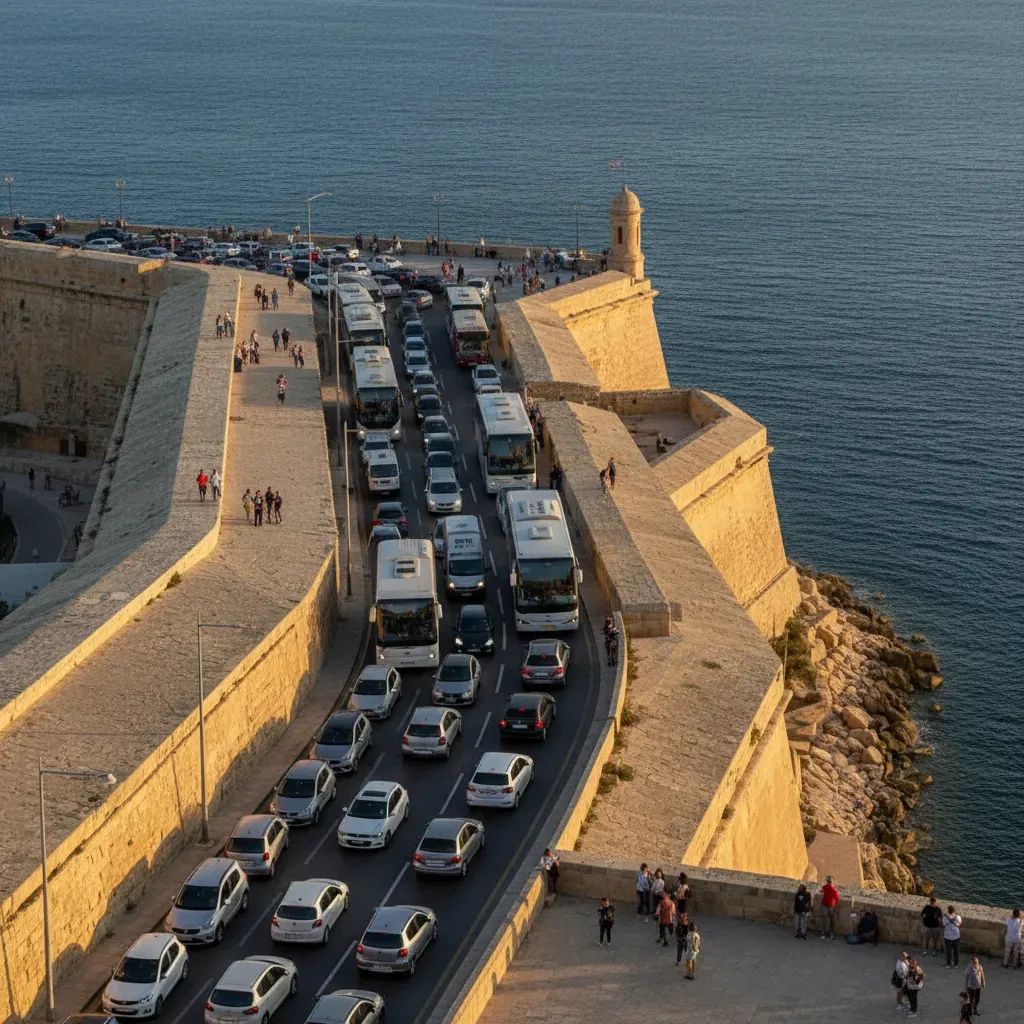
• No on-site parking: The guesthouse will not provide parking spaces, leaving guests to compete for spots on Triq L-Oratorju, a narrow street already struggling with congestion.
• UCA protections enforced: The ruling signals that while guesthouses are not inherently banned in conservation zones, the Malta Planning Commission will impose stringent conditions to protect residential character.
• Revised garden design required: Developers must now landscape the outdoor area with native vegetation, a move aligned with broader sustainability mandates.
What Sparked the Pushback
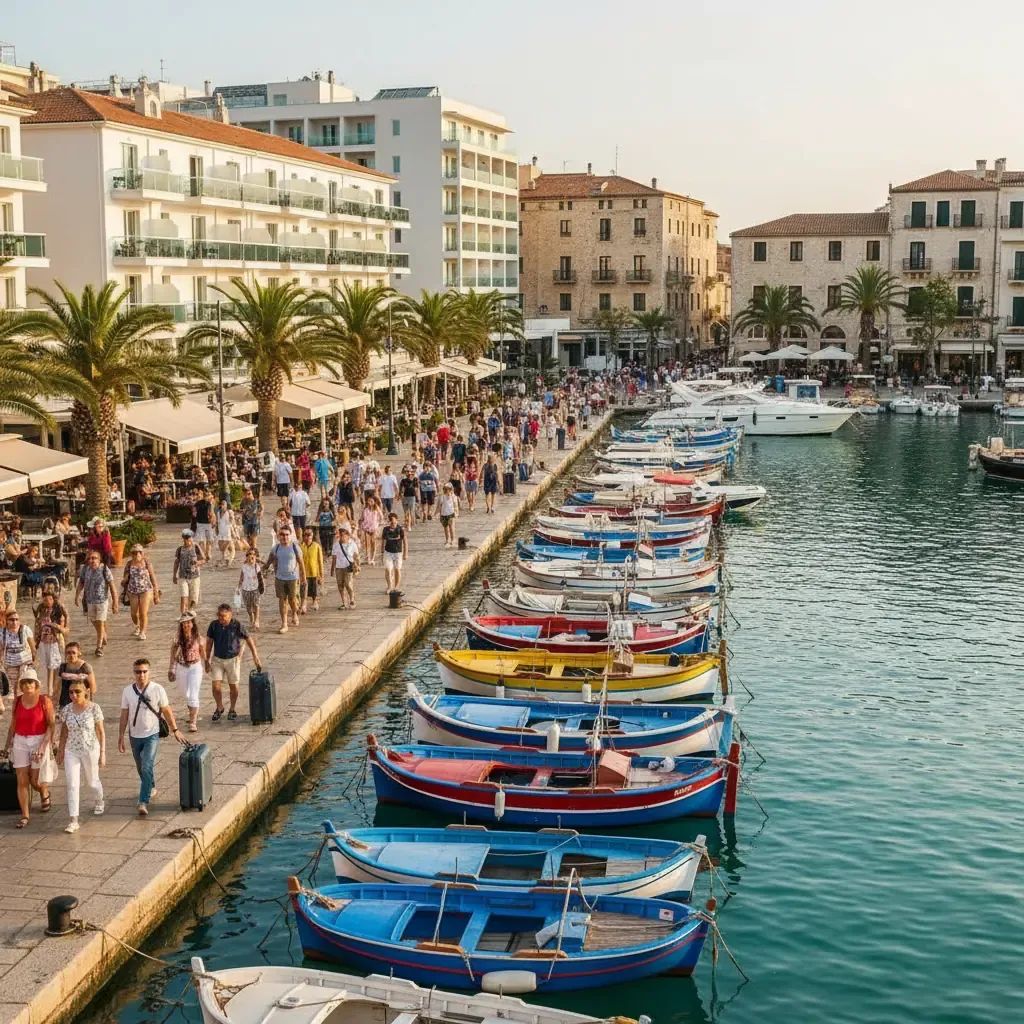
The proposal aimed to convert an existing terraced house into a boutique guesthouse complete with gym, spa, pool, and garden amenities. But the rooftop bar—positioned as a social space for guests—became the lightning rod for opposition. Mosta Local Council sided with residents, arguing the development was fundamentally incompatible with the surrounding residential fabric.
Objections centered on three pain points: parking scarcity on the tight roadway, density overload in a zone not designed for commercial hospitality, and noise pollution from guests congregating on the rooftop late into the evening. One resident told the Commission that the street already struggles to accommodate the cars of existing households, and adding a 15-room guesthouse without dedicated parking would push the situation past breaking point.
The Planning Commission acknowledged these concerns, stating it does not oppose Class 3A guesthouses in UCAs outright, but emphasized that approvals hinge on specific conditions tailored to local context. In this case, the rooftop bar had to go.
What the Revised Plans Must Include
Beyond scrapping the rooftop venue, the conditional approval mandates that the space originally earmarked for the bar be reconfigured and connected to an existing room, limiting access to a small number of guests rather than functioning as a communal social area. The ground-floor cafeteria, meanwhile, cannot operate as a standalone café open to the public—it must serve guesthouse patrons exclusively, preventing the site from morphing into a neighborhood hub that draws additional foot traffic.
The garden redesign requirement is notable. The Commission specified that the landscaping must feature endemic tree species, a condition increasingly common in Malta's planning decisions as authorities attempt to balance development with environmental and aesthetic preservation in sensitive zones.
The project architect responded to the pushback by downsizing certain commercial services and reducing the overall footprint of guest-facing amenities, though the 15-bedroom count remains unchanged.
Broader Context: Guesthouses and UCAs Under Scrutiny
This decision arrives shortly after the government introduced the Tourism Accommodation Regulations 2026 in April, which impose new caps and quality standards. Guesthouses in UCAs are now limited to a maximum of 20 rooms and must respect the architectural integrity of historic buildings. New hotel applications exceeding permitted heights or proposing more than 200 rooms face rejection, as do proposals for hotels below three-star classification.
For short-term rentals, operators must now display a sign outside the property with their license number and a 24/7 contact for complaints, and implement formal waste management plans. These measures aim to address enforcement gaps and give residents recourse when tourism operations disrupt daily life.
The Mosta guesthouse case is not an isolated incident. In February 2025, another proposal surfaced for an 11-room guesthouse in Mosta's Żokrija area, located outside development zones, seeking to replace ruins previously approved for a villa. That project drew objections from the Environment and Resources Authority. Separately, in March 2026, the Malta Planning Authority approved zoning for a large residential and commercial site in Tad-Dib, Mosta, signaling ongoing pressure to accommodate both housing and tourism infrastructure in the locality.
What Happens Next
K3M Vella Properties must now submit revised drawings reflecting all conditions imposed by the Commission. Once the plans pass technical review, construction can proceed. The guesthouse, if built, will open without a rooftop bar, with a more restrained commercial profile, and with landscaping designed to blend into the conservation area.
For Mosta residents on Triq L-Oratorju, the victory is partial. The rooftop bar is gone, but the guesthouse itself—and the parking headaches it may bring—will still materialize. Whether the revised design proves less disruptive will depend on enforcement, guest behavior, and whether the Malta Tourism Authority holds operators to the new accommodation standards now on the books.
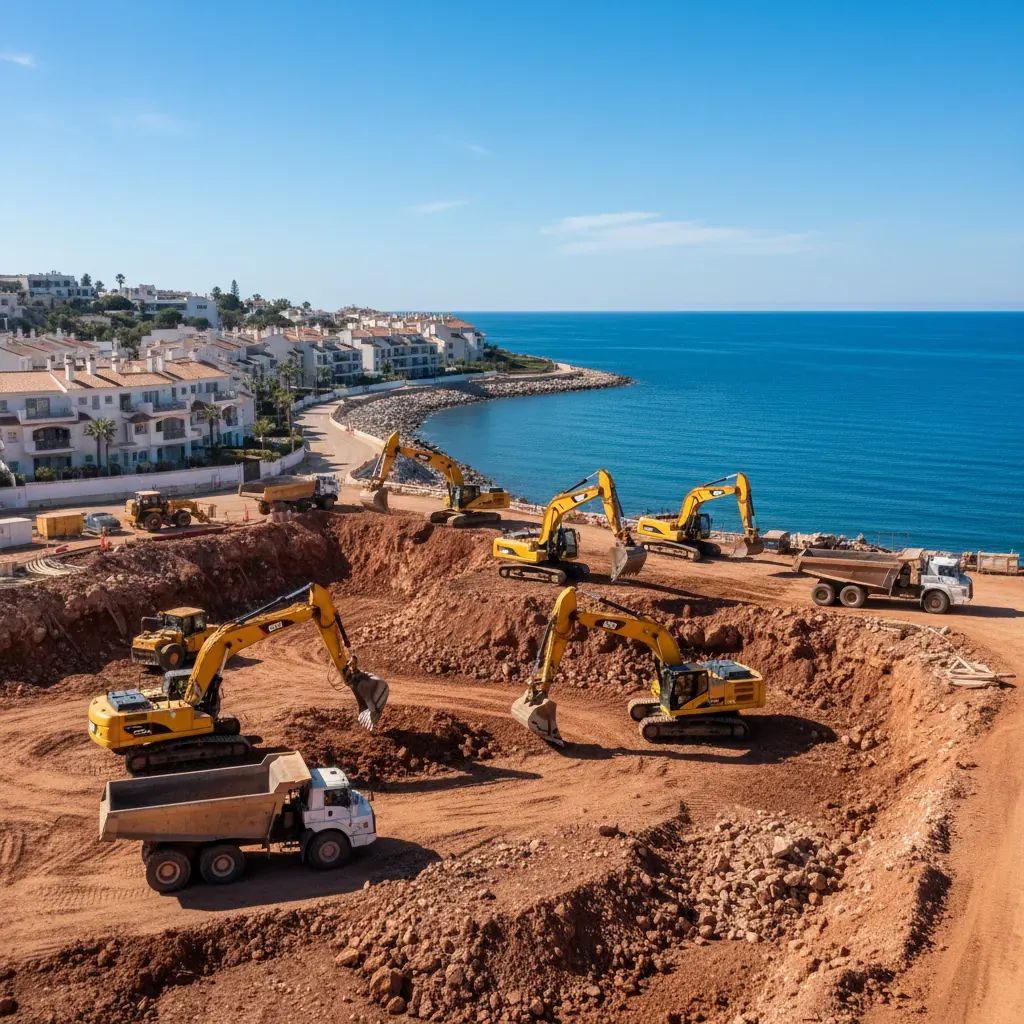
The case underscores a reality increasingly familiar to communities across the island: tourism infrastructure is expanding into residential zones, and local councils and residents must fight for conditions that preserve neighborhood character, one planning application at a time.