Mount Etna's volcanic ash cloud has forced international DJ Silva Bumpa to cancel his scheduled performance at Malta's Glitch Festival on August 14, 2026, underscoring how the eruption's ripple effects continue to impact the Mediterranean entertainment and travel sectors more than a week after the initial eruptive phase began.
DJ Silva Bumpa, who was scheduled to perform at the festival this evening, announced he would be unable to make the show after his Malta-bound flight was diverted to Rome mid-journey and subsequently returned to the United Kingdom. The disruption stemmed from volcanic ash dispersed by Mount Etna, which has been in an active eruptive phase since approximately August 6, 2026.
Why This Matters
• Over 95 artists were scheduled to perform at Glitch Festival through August 15, but transport disruptions threatened additional line-up changes.
• Malta International Airport cancelled 19 flights on August 11 alone, with continued delays reported throughout the week.
• Sicily's Catania Airport, the region's primary hub, saw roughly 1,350 flights affected since the eruption began, with closures extending through August 14.
• The volcanic ash cloud drifted southwards and southwestwards, placing Malta directly in the dispersion zone for several days.
A Week of Unprecedented Disruption
The August 2026 volcanic episode represents the most significant aviation crisis the central Mediterranean has faced in two decades. Mount Etna's Voragine crater began producing intense explosive bursts on August 6, generating ash plumes that contaminated runways and forced airspace closures across Sicily and sporadically affected Maltese airspace.
Catania-Fontanarossa Airport, the primary gateway to eastern Sicily, bore the brunt of the chaos. Between August 6 and August 12, approximately 36% of the airport's 1,974 scheduled flights were cancelled. An additional 630 flights were rerouted to alternative airports including Comiso, Palermo, Trapani, and even Lamezia Terme on the Italian mainland. Major carriers including Ryanair, EasyJet, ITA Airways, and Wizz Air all reported dozens of cancellations and diversions.
On August 10 alone, 127 arrivals and departures at Catania were scrapped. By August 12, the airport suspended all operations until at least 6:00 PM, with only about 10% of scheduled flights managing to operate. As of August 14, the airport remained closed until at least early the following morning, with the aviation colour code for Mount Etna remaining at red, the highest hazard level.
Impact on Malta's Festival Economy
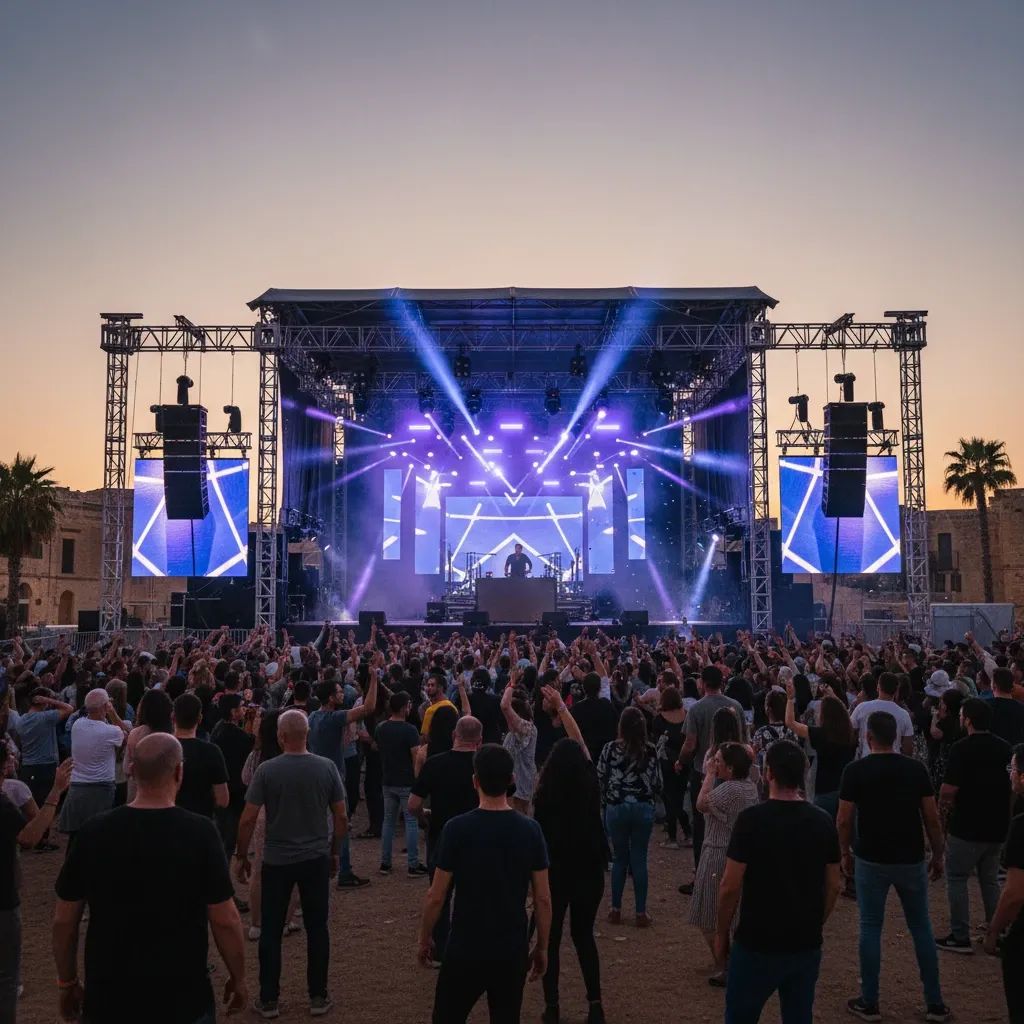
The Glitch Festival, running from August 12 through August 15, 2026, had planned to host over 95 artists across multiple stages. While the festival itself had not been cancelled, Silva Bumpa's withdrawal highlighted the logistical nightmare facing event organizers and international performers attempting to reach the island nation.
The festival's lineup featured electronic music acts including prominent names such as Amelie Lens, Ben Klock B2B Rødhåd, and Dax J, among dozens of others. The event represented a significant cultural and economic moment for Malta's summer festival circuit, drawing thousands of attendees from across Europe.
Festival organizers had not yet announced whether additional performers were affected by the ongoing transport disruptions, though the unpredictable nature of volcanic ash dispersion made last-minute cancellations a continued risk through the weekend.
What This Means for Residents
For anyone living in Malta or planning travel in the coming days, the August 2026 Mount Etna eruption remained an active concern. While Malta International Airport had not experienced closures as prolonged as Catania's, the 19 cancellations on August 11 and subsequent delays demonstrated the island's vulnerability to Sicilian volcanic activity.
Passengers were strongly advised to check flight status directly with airlines before heading to the airport, as volcanic ash clouds could shift rapidly based on wind patterns. The ash posed serious mechanical risks to aircraft engines, prompting aviation authorities to maintain strict safety protocols even when visibility appeared normal from the ground.
The disruption also carried economic implications beyond tourism. Malta's festival industry generated significant seasonal revenue, and cancellations by international headliners could damage the island's reputation as a reliable event destination. Additionally, business travel and cargo operations faced similar uncertainties when volcanic activity spiked.
Broader Regional Consequences
The scale of the disruption at Catania Airport proved extraordinary. With roughly 1,350 flights affected over the past week, tens of thousands of passengers faced cancellations, lengthy delays, or unexpected diversions. Many travellers bound for Sicily found themselves landing in cities hundreds of kilometres from their intended destinations, with ground transport options strained by the sudden influx.
The ash cloud's southwestward drift periodically placed Malta directly in the fallout zone, though the island experienced intermittent rather than sustained closures. This geographic positioning meant that even when Sicilian airports were operational, flights to and from Malta could still face restrictions depending on upper-atmosphere wind patterns.
Aviation experts noted that volcanic ash is nearly invisible to radar and can remain suspended at cruising altitudes for extended periods. The microscopic glass particles could cause jet engine failure if ingested in sufficient quantities, making even low-concentration ash clouds a serious hazard that justified airspace closures.
No Timeline for Normalisation
Mount Etna, one of Europe's most active volcanoes, exhibited no clear signs of returning to baseline activity. Vulcanologists monitoring the Voragine crater reported continued explosive bursts and lava flows, though the intensity fluctuated throughout the week.
Weather conditions played a crucial role in determining where ash dispersed. Southerly winds repeatedly pushed plumes toward Malta and the North African coast, while shifts to northerly or easterly patterns occasionally provided brief windows of operational relief for regional airports.
For Silva Bumpa, the aborted journey to Rome and subsequent return to the UK represented one of countless individual stories of disruption stemming from the eruption. His planned performance at Glitch Festival joined the growing list of cultural, business, and personal plans upended by the volcano's ongoing activity.
Event organizers, airlines, and passengers across the central Mediterranean remained in a holding pattern, monitoring volcanic reports and hoping for a sustained reduction in eruptive intensity. Until that happened, the region's aviation network would continue to face unpredictable interruptions, and Malta's geographic proximity to the source ensured the island remained vulnerable to sudden airspace restrictions.