
Transport Malta has licensed a controversial 1,750-square-meter floating entertainment platform to operate in Maltese waters, but not before triggering fierce resistance from two of the island's most prominent coastal mayors who say their communities will not become offshore party zones.
The vessel, branded Noma Island and marketed as "Malta's fourth island," has been granted a commercial operator license and provisional registry under the Malta Flag Administration. It's a motorized trimaran-style structure spanning two decks, complete with a restaurant, bar-lounge, and freshwater swimming pool designed to host up to 350 guests at a time. However, strict conditions apply: the platform cannot transport passengers while underway and is restricted to static charters at anchor only.
Why This Matters
• Regulatory precedent: A massive floating nightclub can now legally anchor in Maltese waters, despite no passenger transport rights while moving.
• Environmental red flags: The same vessel was expelled from the French Riviera in recent years for threatening protected marine habitats and causing acoustic pollution.
• Local authority clash: Mayors in Sliema and Mellieħa are mobilizing formal opposition, citing residential quality of life and ecological sensitivity.
Mayors Draw the Line
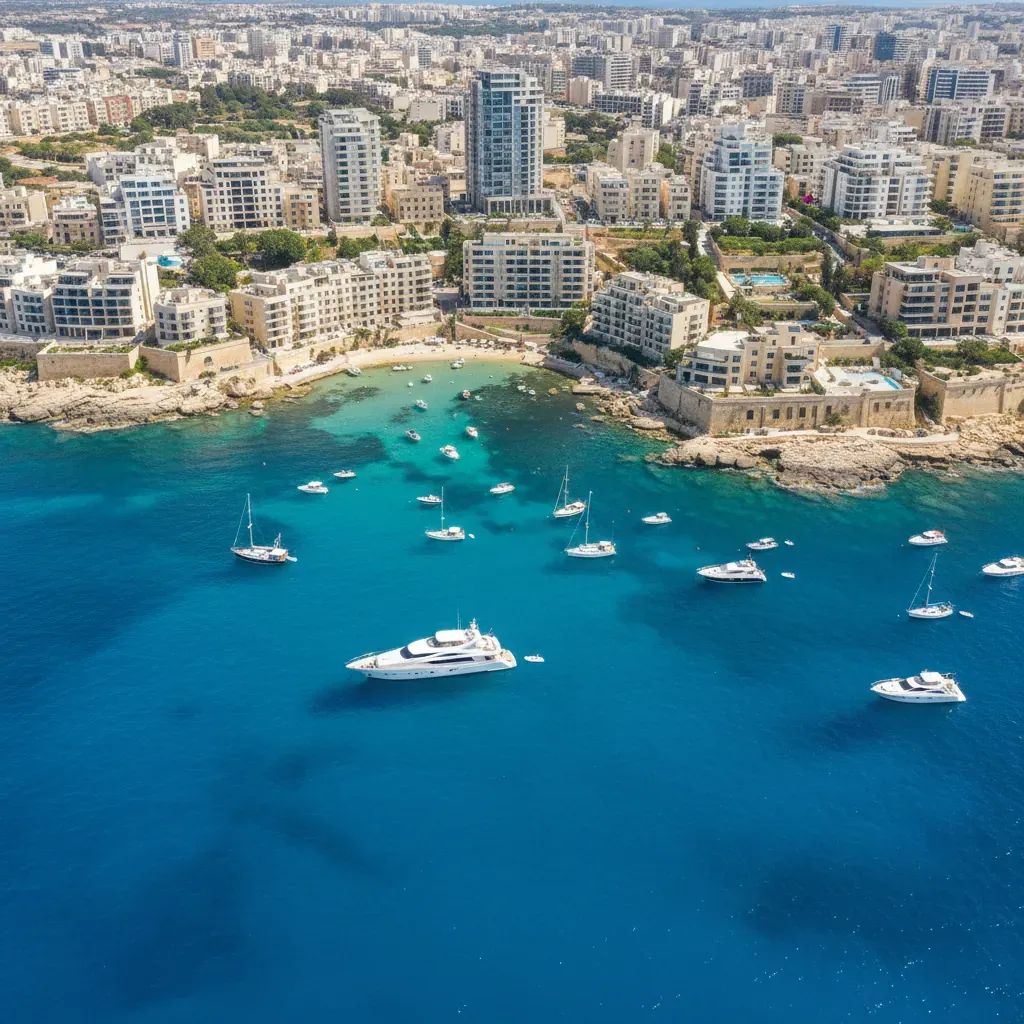
John Pillow, mayor of Sliema, has been unequivocal in his rejection. He describes his locality as a residential community, not a destination for offshore entertainment complexes, and points to existing strain from maritime traffic, noise, and environmental degradation along the Sliema coastline. Pillow plans to formally table the issue at a Sliema Local Council meeting on March 26, seeking official council backing to block the platform from operating in Sliema's waters or harbor.
In Mellieħa, Mayor Gabriel Micallef has echoed similar concerns, emphasizing that his locality's coastline is already under considerable pressure during summer months, with thousands of daily visitors flooding the beaches. Micallef has directly contacted Transport Malta, the Environment and Resources Authority (ERA), and the Malta Tourism Authority (MTA) seeking clarity on the vessel's operational plans and regulatory compliance. He highlighted the proximity of sensitive natural zones, including the Għadira Nature Reserve and Foresta 2000 sites, and stated that resident safety and environmental protection must come first.
Both mayors are acutely aware of the platform's troubled history abroad. French authorities forced Noma Island to leave the French Riviera after local mayors and environmental groups raised alarms over threats to protected Posidonia seagrass meadows and acoustic pollution. French regulators concluded the vessel was "not compatible with the protection of the marine environment."
What Transport Malta Permits—and Prohibits
Under the terms of its license, Noma Island can operate in permitted commercial vessel areas subject to weather conditions and must comply fully with environmental and waste management obligations. The platform's function is essentially that of a floating venue: guests arrive via private yachts or dedicated speedboat shuttles from shore, spend time on the anchored structure, and depart the same way.
The no-passenger-transport-while-underway rule is critical. It means Noma Island cannot function as a traditional ferry or excursion boat. Instead, it must remain stationary during guest occupancy. Any shuttles ferrying passengers to and from the platform fall under separate maritime passenger transport regulations governing safety, licensing, and transit operations.
Malta's Commercial Vessels Regulations (Subsidiary Legislation 499.23) govern vessels operating for hire in ports, internal waters, and territorial seas. While scheduled sea transport services enjoy VAT exemptions on pre-determined routes approved by Transport Malta, Noma Island's static charter model places it outside this framework. Its compliance burden centers on anchoring permissions, waste disposal, and adherence to MARPOL Special Area designations, which prohibit untreated sewage discharge within 3 nautical miles of shore.
Mediterranean Context: How Neighbors Handle Floating Venues
Across the Mediterranean, countries regulate commercial vessels near residential coasts through speed limits, noise controls, anchoring restrictions, and Marine Protected Areas. Spain, Greece, and Italy enforce laws prohibiting anchoring within 50 meters to 1,000 meters of shore, beaches, or swimming zones unless designated mooring areas exist. Croatia mandates motorboats stay at least 50 meters from the coast and more than 150 meters from natural beaches.
Turkey has taken a harder line on noise pollution, imposing fines and legal penalties on tour boats and yachts broadcasting loud music in high-traffic residential zones like the Bosphorus. The International Maritime Organization's Noise Code sets limits for noise radiated from ships in ports and to inhabited areas, though enforcement varies widely.
Malta's coastal zones are already subject to Integrated Coastal Zone Management (ICZM) Protocol obligations, designed to balance environmental protection with tourism and commercial activity. The arrival of a large-scale floating entertainment platform tests those frameworks in a jurisdiction where beaches, marinas, and residential areas often sit cheek-by-jowl.
Impact on Residents and Coastal Communities
For residents of Sliema and Mellieħa, the prospect of a 350-guest floating club anchoring offshore raises immediate quality-of-life questions. Noise from amplified music, late-night operations, and shuttle boat traffic could disrupt sleep and daily routines. Environmental groups worry about waste discharge compliance and the cumulative impact of yet another commercial vessel in already congested waters.
Mellieħa's summer visitor load already strains local infrastructure and enforcement capacity. Adding a high-capacity floating venue could exacerbate safety risks, particularly in waters used by swimmers, kayakers, and small recreational craft. The Għadira Nature Reserve, a critical bird habitat and wetland, lies less than 2 kilometers from popular Mellieħa anchorages.
Both mayors are leveraging their post-2024 election mandates—Pillow in Sliema and Micallef in Mellieħa, where the council was hung and he was appointed mayor—to push back against what they see as inadequate consultation. They argue that Transport Malta's licensing process did not sufficiently weigh local sentiment or environmental sensitivity.
What Happens Next
The March 26 Sliema Local Council meeting will be a key test of municipal authority versus national licensing decisions. If the council formally opposes Noma Island's presence, it sets the stage for a legal and political standoff with Transport Malta, which has already granted the necessary permits.
Meanwhile, Mellieħa's outreach to the Environment and Resources Authority and Malta Tourism Authority signals a strategy of regulatory pressure and inter-agency coordination. If ERA determines that anchoring sites near Mellieħa pose unacceptable environmental risks, it could force operational restrictions or exclusions.
The vessel is currently moored in Grand Harbour, where it has not yet faced public opposition. Whether it attempts to anchor near Sliema, Mellieħa, or another coastal locality will likely determine the next phase of this conflict. For now, Malta has licensed a floating party platform that two of its most vocal mayors have vowed to keep at bay.


