The Photograph Nobody Should Have Had to Take
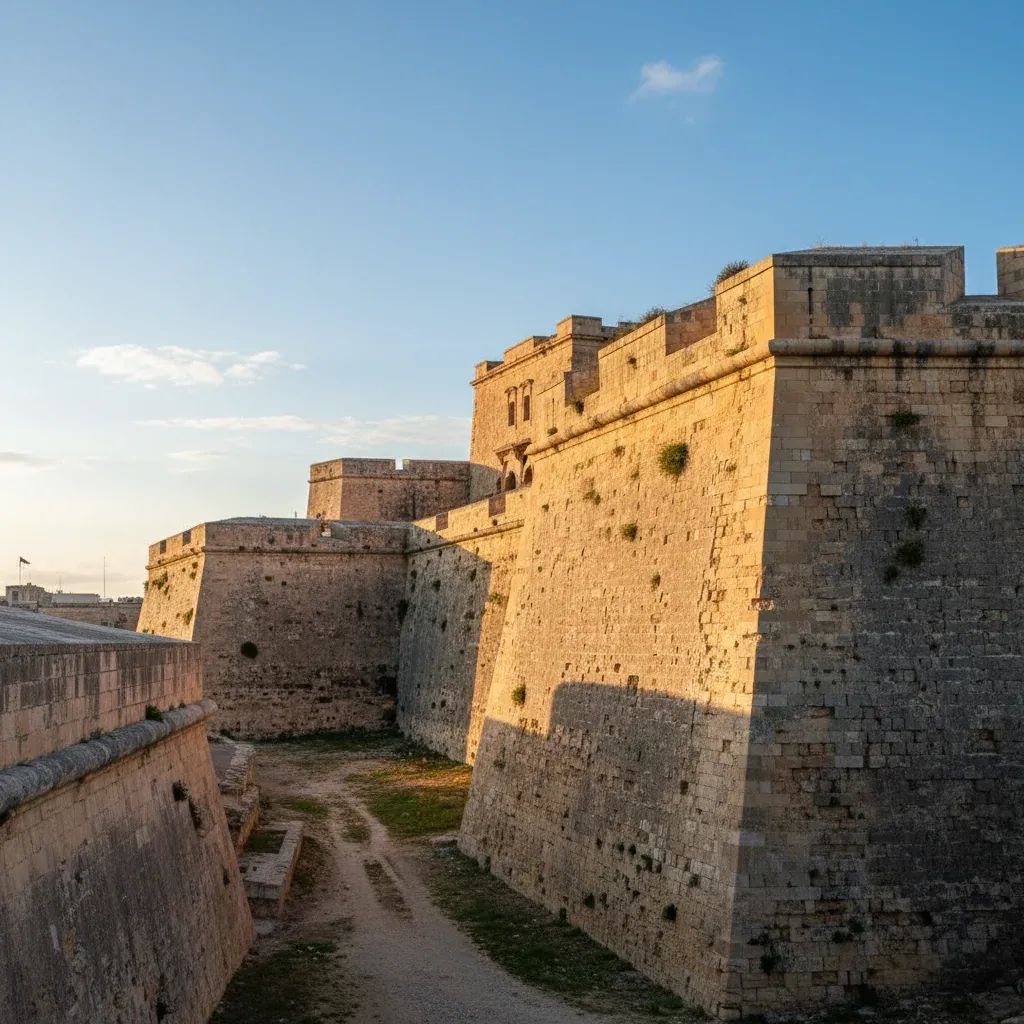
A heritage volunteer captures what amounts to visual evidence of administrative neglect: two young people sitting with their legs dangling over a limestone precipice at the St John's Bastion, their feet swinging freely above the Valletta Ditch. The photograph exists as a stark indictment of Malta's posture toward one of its most visited fortified monuments. This is not a freak accident waiting to occur—it is a recurring scenario that the country's heritage guardians have permitted to persist for nearly two decades.
Why This Matters
• Safety barriers remain incomplete despite engineering recommendations from 2006 calling for handrails of at least 1.1 meters on identified vulnerable sections
• Young people routinely treat the bastion edges as recreational space, with no active deterrent or enforcement present on the morning the photograph was taken
• UNESCO concerns about Valletta's World Heritage status increasingly extend beyond building development to structural accessibility and visitor management protocols
The Casualty Record
Deaths from bastion falls in Malta carry significant weight in Valletta's collective consciousness. Parents of school-aged children know the history. Anyone who has spent years in the city understands that these incidents occur with disturbing regularity.
In 2006, a 19-year-old woman died after falling from the Mediterranean Street bastions following a New Year's Eve celebration. The incident prompted immediate attention, structural engineers, and policy recommendations. Two years later, a 16-year-old boy from San Ġwann plunged approximately five storeys at Herbert Ganado Gardens. Within the same year, a 59-year-old foreign visitor sustained fatal injuries from a fall on the Santa Barbara Bastions.
The death toll has not accelerated since those early incidents, but neither has it ceased. Beyond the fatalities sit hospitalized injuries that rarely generate headlines. A British construction worker fell five storeys at Fort St Elmo in 2015, sustaining trauma requiring emergency spinal surgery. In 2021, a Swiss tourist was critically injured following a fall on Triq San Bastjan. Most recently, in May 2025, two individuals were hospitalized after a corroded railing gave way on Triq il-Lanċa.
Why Barriers Haven't Been Installed
The engineering community identified this problem years ago. In 2006—the same year the first death occurred—structural advisors and heritage specialists recommended comprehensive handrail installation. The specifications were clear: minimum height of 1.1 meters, positioned at identified vulnerable points, designed to preserve sightlines while preventing accidental falls. The logic was straightforward and internationally standard.
Two decades later, implementation remains fragmented. Some sections now feature protective fencing and interpretive signage. The 2020 restoration of the St John's Counterguard addressed crumbling masonry and vegetation overgrowth. Yet these interventions are episodic responses rather than systematic safety engineering.
The Heritage Malta authority and the Ministry for National Heritage, the Arts and Local Government have pursued what might generously be called a cautious approach. The €35 million St John's Gardens regeneration project undertaken by Phoenicia Malta demonstrates that private investment can drive infrastructure improvements. Yet this initiative remains bounded to private hotel property—it does not address the public edges of the bastion where unguarded limestone drops remain the normative condition.
In September 2025, following a coastal cliff collapse in Marsascala, the Maltese government announced plans for a centralized reporting system for unsafe structures. Temporary fencing and warning plaques were installed in designated high-risk zones. However, no comprehensive audit of bastion perimeters has been made public. The May 2025 railing failure on Triq il-Lanċa suggests that even installed safety infrastructure degrades without maintenance protocols.
Essential Safety Precautions for Residents and Visitors
Until systemic improvements materialize, straightforward precautions remain essential:
• Treat every bastion edge as structurally suspect, particularly areas lacking visible recent maintenance or where limestone displays visible fissuring or water staining
• Limestone becomes acutely slippery when wet—a hazard particularly acute during winter months or immediately following Mediterranean rainstorms. Footwear offering genuine grip is non-negotiable; casual sandals transform into genuine risk factors on worn stone surfaces sloping toward unguarded drops
• Maintain deliberate spacing from walls, regardless of how monumentally solid they appear. A misstep on a gently sloping surface is sufficient to cause serious injury
• Keep children and pets carefully supervised near visually appealing drop-offs, particularly during high-season tourist congestion when crowding reduces visibility and increases collision risks
• Resist positioning yourself at the edge when photographing the fortifications. The compositional appeal does not compensate for the statistical risk
How Other European Sites Manage This
Across Europe, historical fortresses operate within regulatory frameworks that have displaced risk onto institutional design rather than visitor discipline. Fort Hohensalzburg in Austria and Edinburgh Castle employ comprehensive barrier systems complemented by trained security personnel and maintained signage. These installations are integrated design features that preserve both access and safety without spoiling the aesthetic experience.
Fort St. Elmo, Valletta's own fortified museum, demonstrates that integrated access control remains feasible within a heritage context. Security officers staff the entrance, and turnstile systems manage visitor flow. This approach has not been replicated across the broader bastion network, where public access remains nominally unrestricted and therefore effectively unmanaged.
The Next Steps
The responsibility for systemic change rests with the Malta Heritage Authority and the Ministry for National Heritage, the Arts and Local Government—entities possessing the mandate, resources, and legal authority to mandate comprehensive barrier installation and establish maintenance protocols.
The engineering solutions are neither technologically novel nor financially prohibitive. The handrails recommended in 2006 have been successfully installed at comparable heritage sites throughout Europe without diminishing visitor experience or heritage authenticity.
Until that decision materializes—and current governance patterns suggest continued hesitation—individual vigilance remains the mechanism by which residents and visitors manage environments where policy has effectively delegated responsibility to chance.