A Hazardous Drift Ends: Mediterranean Tanker Crisis Moves to Libyan Waters
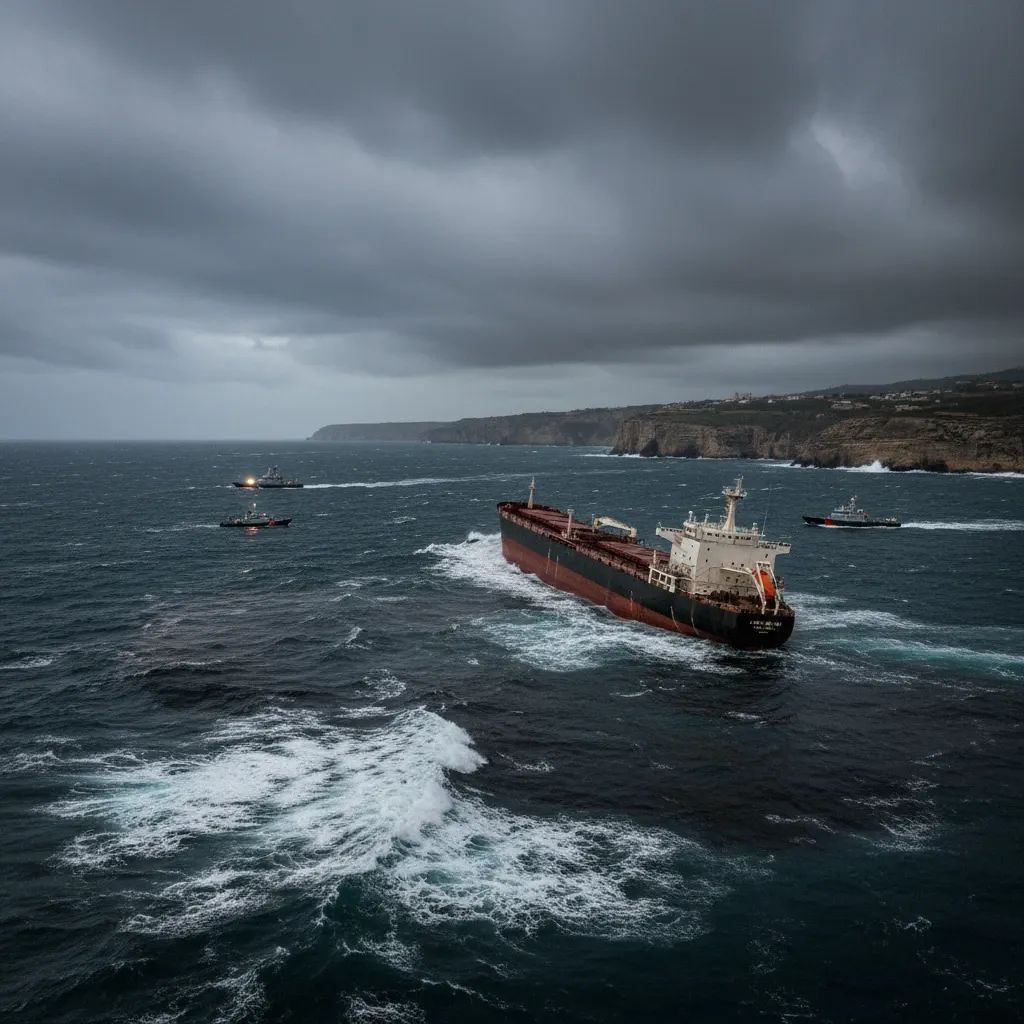
A crippled Russian liquefied natural gas carrier, adrift for nearly three weeks after a suspected drone strike, is now under controlled tow toward Libya's western coast, resolving an environmental near-crisis that had Mediterranean governments holding their breath. The critical phase of the incident—where an uncontrolled vessel carrying volatile cargo could rupture in open water—has passed, but the broader implications for maritime security remain serious.
Why This Matters to Malta
For residents here, the incident highlighted how quickly Mediterranean crises can reach doorsteps. The Arctic Metagaz carries 450 metric tons of heavy fuel oil and 250 metric tons of diesel—enough to devastate Malta's fishing grounds and tourism sector for months. Had the tanker ruptured while drifting closer to Malta's waters, the economic and environmental consequences would have been immediate and severe.
Malta's economy depends significantly on fishing, coastal tourism, and marine-based services. A major spill would have forced fishing ground closures lasting months and disrupted diving operations, water sports facilities, and hotel businesses. The Malta Environment and Resources Authority (MERA) would have been mobilized in crisis-response mode, with cleanup costs running into millions of euros.
The 21-day drift also exposed weaknesses in Mediterranean maritime response. No single government had authority to redirect the vessel until it entered Libya's jurisdiction. This gap underscores why international maritime coordination matters—damaged vessels become hazards no one can unilaterally control.
What Happened
On March 3, 2025, the Arctic Metagaz came under attack while in transit from Russian ports toward Egyptian waters. Ukrainian naval forces are widely suspected of launching a drone strike, though no official confirmation has been released. The impact triggered explosions and fire, leaving the vessel with a gaping breach along its starboard side and severe structural damage. All 30 crew members were safely evacuated, but the tanker was abandoned to drift.
For three weeks, the derelict ship wandered through the Central Mediterranean on currents and wind, passing through or near zones monitored by Malta's maritime authorities and the Armed Forces of Malta, as well as Italy's Civil Protection Department. Satellite monitoring detected no visible leaks, but experts warned the cargo tank integrity was uncertain. Any significant storm could have accelerated structural deterioration or triggered gas release from liquefied natural gas reserves still aboard.
The Response and Resolution
The tanker eventually drifted into Libya's declared search and rescue zone, triggering formal responsibility on Libya's National Oil Corporation (NOC). The NOC partnered with Eni, the Italian energy multinational, to coordinate professional salvage operations. The destination—the coastal town of Zuwara on Libya's western coast—offers calmer waters for emergency repairs or cargo discharge operations if necessary.
Libyan authorities committed to implementing "all necessary procedures to reduce environmental risks" during transit, operating under multilateral scrutiny from Mediterranean governments and the European Commission, which formally notified member states of the imminent ecological disaster risk.
Context: The Shadow Fleet Problem
The Arctic Metagaz is part of a systematic pattern. Following Western sanctions on Russia after 2022, Moscow developed what analysts call the "shadow fleet"—roughly 400-500 aging tankers operating outside normal international oversight. These vessels use disabled tracking systems, opaque ownership structures, and frequent flag changes to evade sanctions and oil price caps.
Between 2022 and 2024, shadow fleet tankers were involved in dozens of maritime incidents, several resulting in oil spills. The EU, US, UK, and Canada have imposed sanctions on hundreds of individual shadow fleet vessels, restricting port access. However, enforcement remains inconsistent. Insurance for shadow fleet operations has migrated to providers in Russia, Cameroon, and Kyrgyzstan—jurisdictions where regulatory oversight is minimal and claims are unlikely to be paid in full.
The European Union is preparing additional sanctions targeting insurers that knowingly cover shadow fleet operations, aiming to cut off the financial infrastructure enabling the fleet's operation.
What This Means Going Forward
The Arctic Metagaz towing operation establishes precedent: Mediterranean states will coordinate multilateral intervention for major environmental maritime crises. This does not prevent future incidents—hundreds of shadow fleet vessels still operate in Mediterranean waters—but it raises the cost of inaction for any government.
For Malta, the incident validates the importance of maintaining sophisticated maritime monitoring systems and interagency coordination with neighbors. Environmental maritime incidents will increasingly factor into Malta's regulatory standing and the shipping services sector's reputation.
The underlying vulnerability remains: the Mediterranean is contested space where geopolitical interests, economic sanctions, environmental protection, and regional cooperation constantly intersect. The Arctic Metagaz drifted through this space as a symbol of that tension. Its safe arrival in Libyan waters is a tactical resolution—the crisis phase is ending—but the shadow fleet phenomenon persists as a long-term regional challenge.