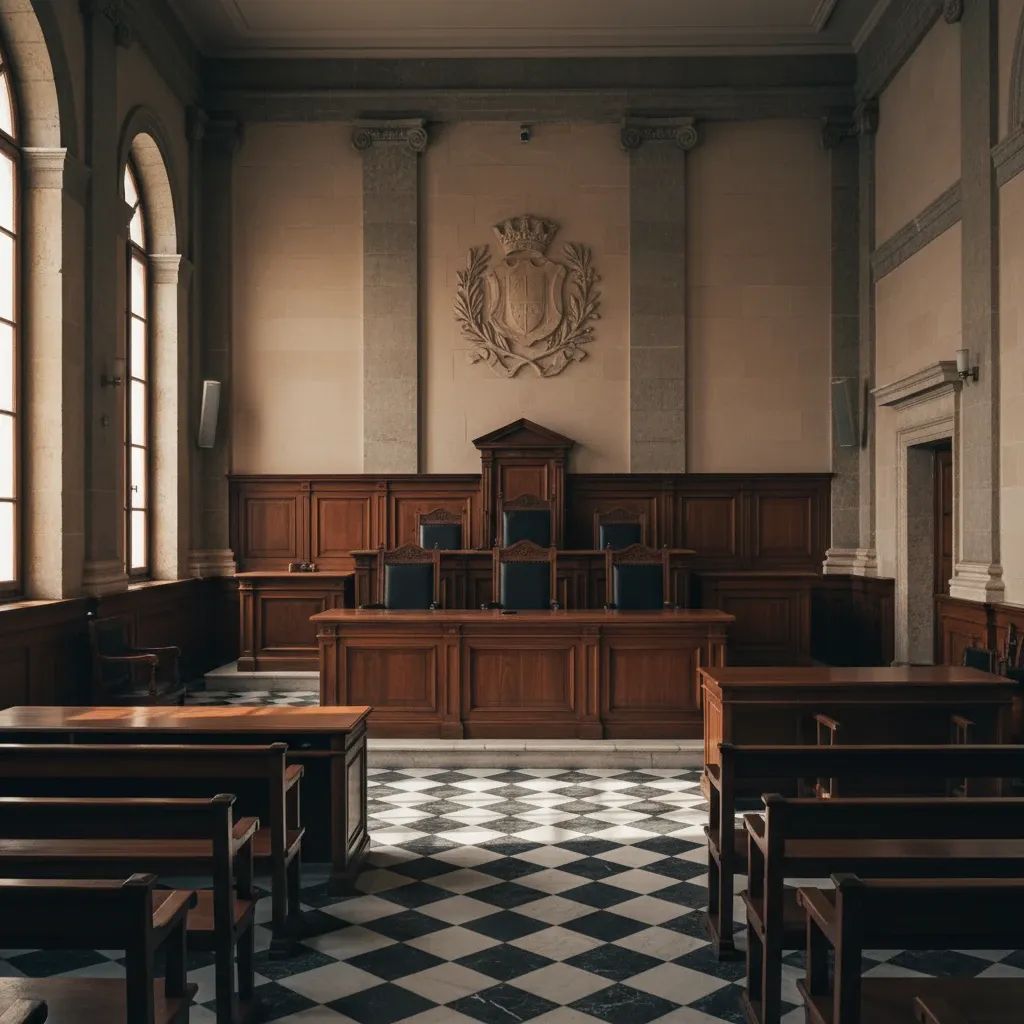
The September 2026 Acquittal: A Shock to Malta’s Justice System
In a verdict that sent shockwaves through Maltese society, Yorgen Fenech was acquitted of all charges related to the 2017 assassination of investigative journalist Daphne Caruana Galizia on September 12, 2026. The decision, handed down by the Court of Criminal Appeal, came after years of legal proceedings and amid mounting public pressure for accountability.
The court ruled that while Fenech had been involved in corrupt dealings with government officials, prosecutors failed to establish a direct link between him and the murder. The acquittal has been widely interpreted by legal experts and civil society as a systemic failure to deliver justice in one of Malta’s most high-profile crimes.
Civil Society Reacts: Anger, Grief and Protests
In the hours following the verdict, thousands of Maltese citizens gathered in Valletta’s Freedom Square, holding candles and signs reading "Justice for Daphne" and "No More Silence." The protest, organised by NGO coalition Justice for Daphne, was one of the largest since the 2019 political crisis.
"This is not an acquittal—it’s an abandonment," said Maria Borg, a member of Families of Daphne, a support group of victims’ relatives. "They killed her to silence her. Now they’ve killed her legacy too."
Civil society organisations, including Democracy Watch Malta and Integrity Initiatives International, have called for an independent international inquiry into the handling of the case, citing repeated obstruction of justice and alleged political interference.
International Pressure Mounts
The European Commission issued a statement expressing "deep concern" over the verdict, warning that it undermines "the rule of law and the protection of journalists in the EU." The Council of Europe and the UN Special Rapporteur on the Safety of Journalists both demanded immediate reforms.
The United States State Department called the acquittal "deeply disappointing" and announced a review of bilateral judicial cooperation with Malta. Meanwhile, the UK and Canada have suspended high-level judicial training exchanges.
The Broader Crisis: Implications for Malta’s Institutions
Legal analysts argue the case exposes systemic rot within Malta’s judiciary and prosecution service. Despite multiple inquiries—including the 2021 Public Inquiry led by former Chief Justice Anthony Mamo—no senior official has been held accountable for delays, lost evidence, or alleged witness intimidation.
The Maltese Bar Association described the outcome as a "tragic milestone" in the erosion of public trust. "When a journalist is murdered for exposing corruption, and the state fails to convict those who ordered it, the rule of law becomes a slogan," said its president, Dr. Joseph Vella.
What Next? Calls for Reform
In the wake of the verdict, a coalition of NGOs and opposition parties are pushing for three immediate reforms:
• Creation of an independent prosecuting authority free from political appointments
• Full implementation of the 2021 Public Inquiry’s recommendations
• Introduction of a Witness Protection Act with binding enforcement powers
The European Parliament is expected to debate a resolution on Malta’s judicial crisis in the coming months, potentially triggering Article 7 proceedings—the EU’s most severe accountability mechanism.
For many Maltese, the road to justice for Daphne Caruana Galizia is far from over. But the fight for accountability has shifted—from seeking to convict a single suspect, to demanding the resurrection of a justice system that has, for too long, failed its citizens.