Malta's public broadcaster, TVM, has been conspicuously silent on one of the most dramatic demographic collapses unfolding in the country—a crisis that is hollowing out Floriana, once a bustling town of 6,200 residents in 1931, now down to just 1,985 as of 2024. That represents a staggering 66% decline in population, transforming the historic locality into what council leaders are openly calling a potential "ghost town."
The Floriana Local Council has held multiple press conferences, issued policy documents, and engaged with political figures across the aisle. Yet despite being funded by the public and ostensibly tasked with reflecting national realities, TVM has offered no meaningful or sustained coverage of the issue. The only time the demographic emergency received airtime was during a visit by the opposition leader—coverage attributed to the broadcaster's obligation to follow political figures, rather than a genuine interest in the community's plight.
Why This Matters
• Floriana is disappearing: The town's population has shrunk by two-thirds since 1931, with just 221 residents aged 0-17 remaining—only 10% of the total.
• Residential life is being replaced by commercial interests: Homes are converting to offices, hotels, and short-lets, despite council objections.
• Aging population: 57% of Floriana's residents are between 40 and 90+ years old, creating an inverted demographic pyramid.
• No public broadcaster accountability: TVM reportedly attended a council press conference but withheld coverage once the topic shifted from a fireworks festival to the demographic crisis.
The Scale of the Collapse
Floriana's population stood at 2,072 in 2023 and fell further to 1,985 in 2024. That makes it the second least populous locality in Malta, trailing only Mdina. The town's density of 2,204 residents per square kilometre pales compared to nearby Sliema's 17,539 persons per km² or Pietà's 15,691 per km².
The demographic structure is deeply distorted. In 2023, 1,198 residents were aged 40 to 90+, while only 221 were children and teenagers. Foreign citizens now make up 17.5% of the population, yet the town's native community continues to shrink. The Southern Harbour district, where Floriana is located, recorded the lowest population growth rate between 2017 and 2022 at just 7.0%, even as Malta's overall population surged past 574,250 by the end of 2024, driven almost entirely by foreign migration.
What's Driving the Exodus
The roots of Floriana's decline stretch back to post-World War II housing shortages, when families began leaving in search of more adequate accommodation. That trend has accelerated in recent years due to a toxic combination of soaring property prices, high rents, and the conversion of residential buildings into commercial premises—offices, hotels, and tourist short-lets.
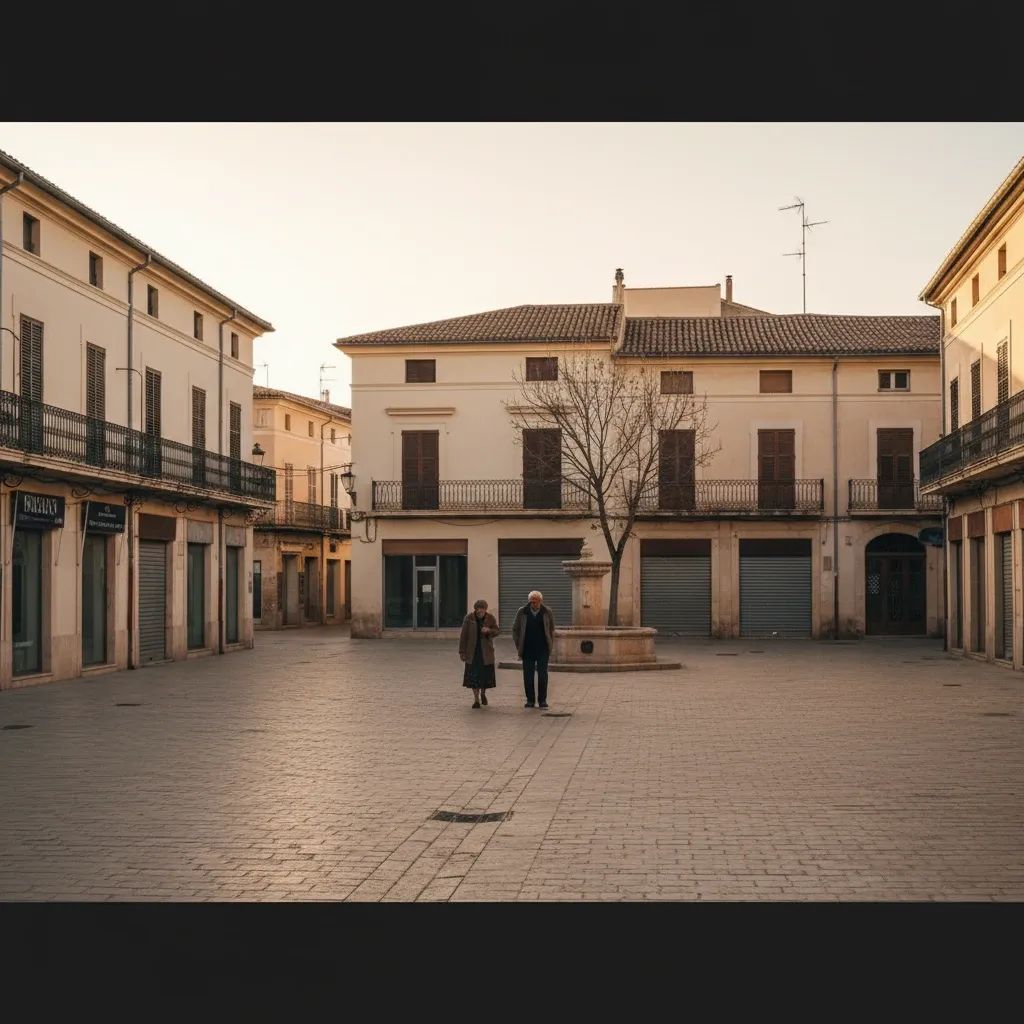
The Floriana Local Council has repeatedly objected to these conversions, invoking existing planning policies designed to preserve residential character. Yet developments proceed regardless, eroding the social fabric and leaving the town bustling by day but empty at night. Council leaders warn that without intervention, Floriana risks becoming dominated by businesses with virtually no resident population.
Malta's national fertility rate has collapsed to 1.06 births per woman in 2023, far below the replacement level of 2.1, compounding the crisis in aging towns like Floriana. The number of Maltese citizens aged 16-30 has fallen by over 15,000 between 2013 and 2023, even as the country's overall headcount has ballooned due to immigration.
Impact on Residents and National Identity
For those still living in Floriana, the transformation is jarring. Families have been priced out, young couples are forced to settle elsewhere, and elderly residents are left in a community that increasingly resembles a business district rather than a neighbourhood. The loss of schools, playgrounds, and communal life follows naturally when children represent just one in ten residents.
The silence from TVM raises uncomfortable questions about editorial priorities at a broadcaster that receives public funds. National broadcasters in other jurisdictions routinely spotlight local crises, engage in two-way dialogue with communities, and serve as emergency lifelines during demographic or economic emergencies. In contrast, TVM reportedly attended a Floriana press conference but withheld coverage once the subject turned from a celebratory fireworks event to the demographic collapse—suggesting that the issue's newsworthiness was filtered out at some editorial level.
The Broader National Context
Floriana's crisis is a microcosm of Malta's broader demographic paradox. While the Maltese Islands' population grew by 131,000 foreigners between 2014 and 2024, the native population is aging and shrinking. By the end of 2024, 18.4% of residents were aged 65 or older, while those under 18 accounted for just 14.5%.
The Northern Harbour and Northern districts have absorbed the highest inflows of foreign nationals—42.3% and 36.9% respectively—while the Southern Harbour district, home to Floriana, remains predominantly Maltese with around 19.0% foreign citizens. Yet this has not translated into demographic vitality; instead, it underscores how unevenly Malta's population boom is distributed, with historic towns like Floriana left behind.
Where Journalism Fits In
Public service broadcasters are meant to fill the void left by disappearing local newspapers, especially in underserved or rural areas. They are expected to spotlight local heroes, businesses, cultural events, and pressing community issues through human-interest stories and investigative documentaries. They are supposed to create accessible channels for feedback—town halls, surveys, social media engagement—and demonstrate how community input shapes editorial decisions.
TVM's institutional silence on Floriana suggests a failure to meet these widely recognized public service broadcasting principles. The Floriana Local Council has done everything short of staging a protest: it approved a structured policy document unanimously, held press conferences, and met with government and opposition representatives. Yet the national broadcaster has treated the issue as if it does not exist—at least not until a political figure arrives to make it "newsworthy."
What Comes Next
Without concerted action—affordable housing initiatives, rent controls, stricter planning enforcement, and a national conversation about demographic sustainability—Floriana risks becoming a cautionary tale for other Maltese localities facing similar pressures. The town's inverted population pyramid and commercial takeover are symptoms of a deeper malaise: a country that has embraced rapid population growth without ensuring that native communities and historic towns remain viable places to live.
For now, Floriana's streets still hum with office workers and hotel guests during business hours. But as the sun sets, the town empties—a nightly reminder that demographic collapse, not urban renewal, is the true story. Whether TVM will eventually find that story worth telling remains to be seen.