The Malta Public Transport network's evolution from horse-drawn carriages to electric buses represents a significant infrastructure transformation over 160 years, reshaping how residents navigate the island's narrow streets and limestone corridors. This journey—from the arrival of the first motorized omnibus in 1856 to today's electric vehicles and autonomous trial projects—demonstrates how Malta has continually adapted its mobility infrastructure to meet changing needs.
Why This Matters:
• Free fares for residents: Since 2022, anyone with a personalized Tallinja Card travels at zero cost on all Malta and Gozo routes.
• Electric fleet expansion: The network now includes 42 electric buses (36 in Malta, 6 in Gozo), cutting annual CO2 emissions by 1,800 tonnes.
• Autonomous trials: EU-funded driverless buses will begin testing on pre-approved routes in 2026, with safety drivers onboard.
• Zero-emission goal: Malta Public Transport aims for full electrification by 2030, aligning with the Transport Master Plan 2030's climate targets.
From Hooves to Diesel: A Timeline of Disruption
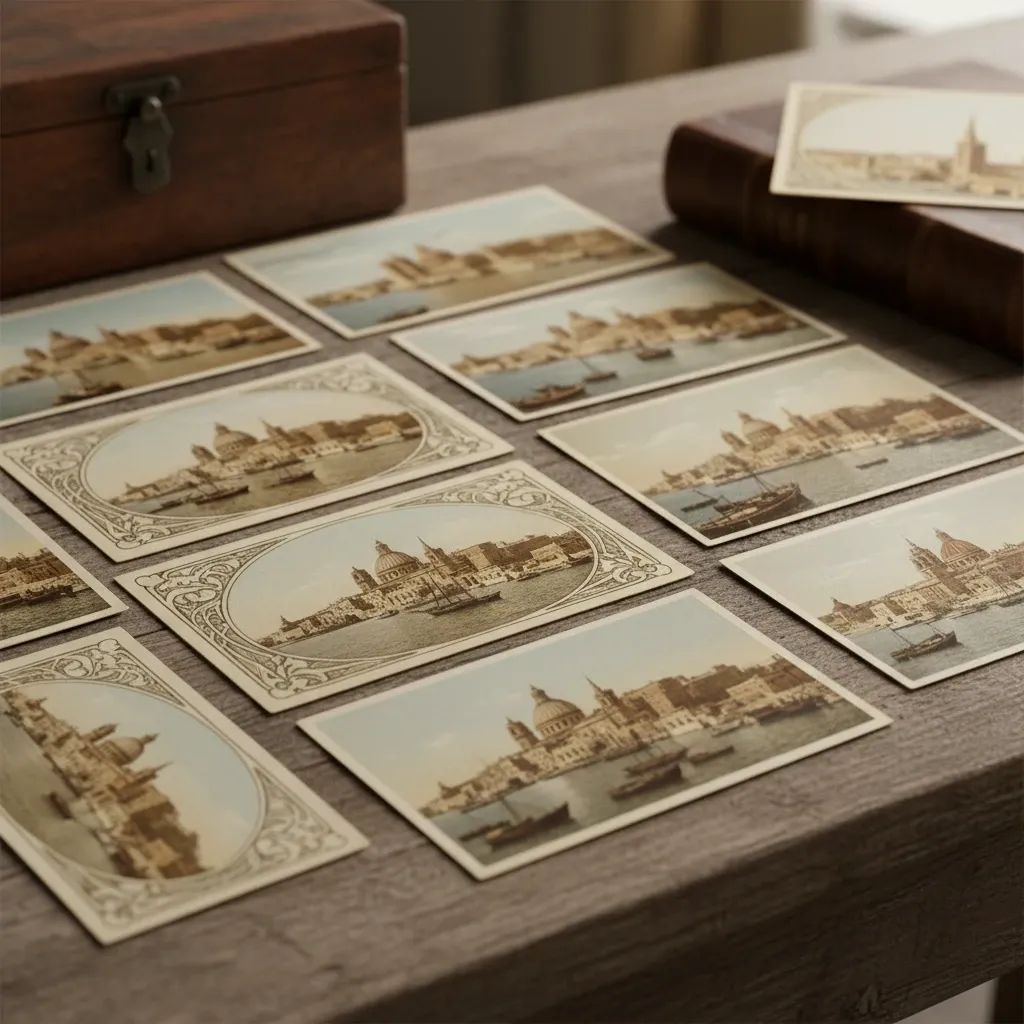
Malta's mobility saga began in earnest during the 1850s, when the island's reliance on horses, carts, and the traditional kaless—a two-wheeled cabin on large wheels—was challenged by the first organized public service. In October 1856, Ċensu Attard imported a 16-passenger omnibus from England, affectionately nicknamed nemnebus, which began rolling between Lija and Valletta that November. By January 1857, a second route connected St. Julian's to the capital, with these three-horse vehicles eventually carrying up to 22 passengers.
The 1883 inauguration of the Malta Railway—a single-track, meter-gauge line linking Valletta to Mdina—promised to slash travel time from three hours to just 25 minutes. Yet the railway's lifespan proved short. By 1931, it closed due to "economic insufficiency," unable to compete with the burgeoning bus industry that had taken root in 1905 when Edward Agius imported Malta's first motorized buses from Thornycroft in England. That same year, an electric tram service launched, connecting Valletta with the Three Cities, Birkirkara, and Żebbuġ, with double-decker carriages seating 38 passengers. The tram ceased operations in 1929, a casualty of the motor traffic explosion.
The 1920s marked the beginning of local bus manufacturing, with Maltese carpenters and mechanics constructing bodies atop imported truck chassis from British manufacturers like Bedford, AEC, and Leyland. By 1930, the island counted 385 licensed route buses, alongside 1,251 motor cars and 298 motorcycles. This rapid mechanization was formalized in 1931 with the creation of the Traffic Control Board, which introduced trip schedules, route discipline, and a color-coding system that lasted until 1973. Buses became family enterprises, with licenses passed down through generations and drivers customizing their vehicles with pride.
The Human Cost: When Coachmen Lost Ground
While the motorized wave brought efficiency, it also displaced an entire profession. By 1921, approximately 1,800 coachmen were still active, ferrying passengers in their karozzin carriages. Within a decade, their numbers plummeted as buses offered faster, cheaper travel. This transition was neither smooth nor passive—strikes, protests, and attempts to protect their livelihood marked this turbulent period, a human story that reflects the broader challenge of technological disruption on workers and communities. Despite their resistance, the karozzin gradually transitioned into a tourist attraction and ceremonial vehicle for funerals and weddings.
This pattern mirrored broader Mediterranean trends. In Cyprus, horse-drawn vehicles persisted into the 1950s even as the first Peugeot arrived in Limassol in 1907 and public motorbuses began operating from Asmalti Square in the 1930s. In Sicily, the iconic decorated carts maintained their transport function until the second half of the 20th century, before becoming folklore symbols. Malta's coachmen, however, lacked the cultural staying power of Sicily's carretti siciliani—perhaps because the island's small size made mechanized efficiency too compelling to resist.
Post-War Consolidation and the Arriva Experiment
The decades following World War II saw Malta's bus fleet grow through locally built conversions of lorry chassis, with drivers taking ownership of both their vehicles and routes. The 1970s brought centralization: the Public Transport Association (ATP), a worker cooperative formed in 1977, painted the fleet a uniform light green. Conductors were phased out in 1979, shifting ticket sales directly to drivers.
Modernization attempts accelerated in the 2000s. A 2003 government scheme scrapped older buses in favor of imports, primarily from China. The most dramatic overhaul came in 2011, when Arriva took over on a 10-year contract, introducing low-floor, air-conditioned Mercedes-Benz Citaros and King Long rigid buses. The transition proved rocky—Arriva cited financial difficulties and withdrew in 2014, forcing the government to nationalize the network under Malta Public Transport. The following year, the brand was reprivatized under Autobuses Urbanos de León, an Alsa subsidiary, which doubled the fleet to over 400 buses and adopted the current white-and-lime-green livery.
What This Means for Residents: Practical Benefits and How to Access Them
The 2022 introduction of free public transport for all residents holding a Tallinja Card represents the network's most significant policy shift in decades. To access this benefit, residents can obtain a personalized Tallinja Card from selected outlets or online via the Malta Public Transport website, a process that typically takes a few days. For commuters, free fares eliminate recurring transport costs—a meaningful saving in an economy where housing and living expenses continue to climb.
Electric buses are now operational on several key routes serving densely trafficked areas like Sliema, Birkirkara, and the Three Cities, with expansion planned throughout 2025. Each electric bus eliminates approximately 43 tonnes of CO2 annually compared to diesel equivalents, and the quieter engines reduce noise pollution on narrow residential streets. The introduction of 9-meter electric buses specifically targets village centers and roads too narrow for standard vehicles, improving accessibility in rural areas like Attard, Balzan, and Mtaħleb that were historically underserved by public transport.
The Transport Master Plan 2030, published earlier this year, outlines the government's vision for a "people-centered" system. For residents, this means continued fleet upgrades, expanded route coverage, particularly to peripheral areas, and integration with the tallinja app, which provides real-time bus tracking and trip planning. While challenges remain—including congestion during peak hours and occasional service delays—these digital tools help residents plan journeys more effectively.
The Autonomous Frontier: What's Next
Malta's participation in an EU-funded autonomous bus trial in 2026 positions the island as a testbed for self-driving public transport. These driverless electric vehicles will operate on pre-approved routes in both Malta and Gozo, with licensed drivers onboard to monitor safety and collect data. While full commercial rollout remains years away, the trial aims to build local expertise in smart mobility and assess how autonomous systems perform on Malta's challenging road network—narrow streets, aggressive driving culture, and unpredictable pedestrian behavior.
The push toward full zero-emission status by 2030 will require replacing the remaining diesel fleet with electric alternatives, a capital-intensive undertaking complicated by Malta's reliance on imported electricity generation. The government is also offering financial incentives in 2026 for electric vehicle adoption and e-bikes, signaling a broader shift in transport philosophy beyond buses.
Lessons from 160 Years of Adaptation
Malta's public transport evolution offers a case study in how small islands navigate infrastructure disruption. The karozzin never staged a last stand; the railway closed quietly after failing to compete; the Arriva experiment collapsed under financial strain. What persists is pragmatic adaptation—Maltese policymakers have consistently chosen efficiency and cost-effectiveness over nostalgia, even when that meant erasing cultural icons like the colorful owner-driven buses.
For today's residents, the network represents a €20M annual investment in electric infrastructure, free fares that reduce household transport costs, and a commitment to align with European climate standards. Whether the system can achieve its 2030 electrification target while maintaining service reliability remains the next chapter in Malta's ongoing mobility saga—one that began with a 16-passenger omnibus named nemnebus rolling into Valletta 170 years ago.