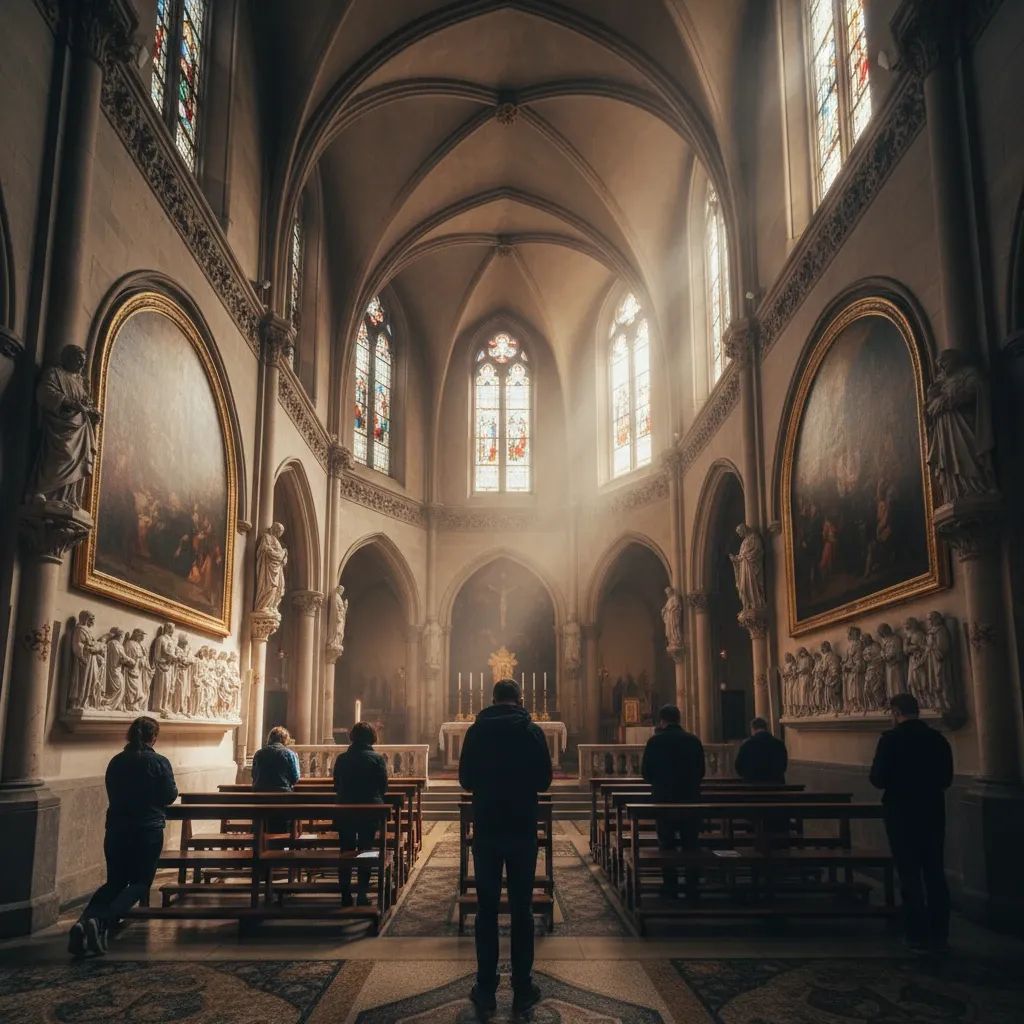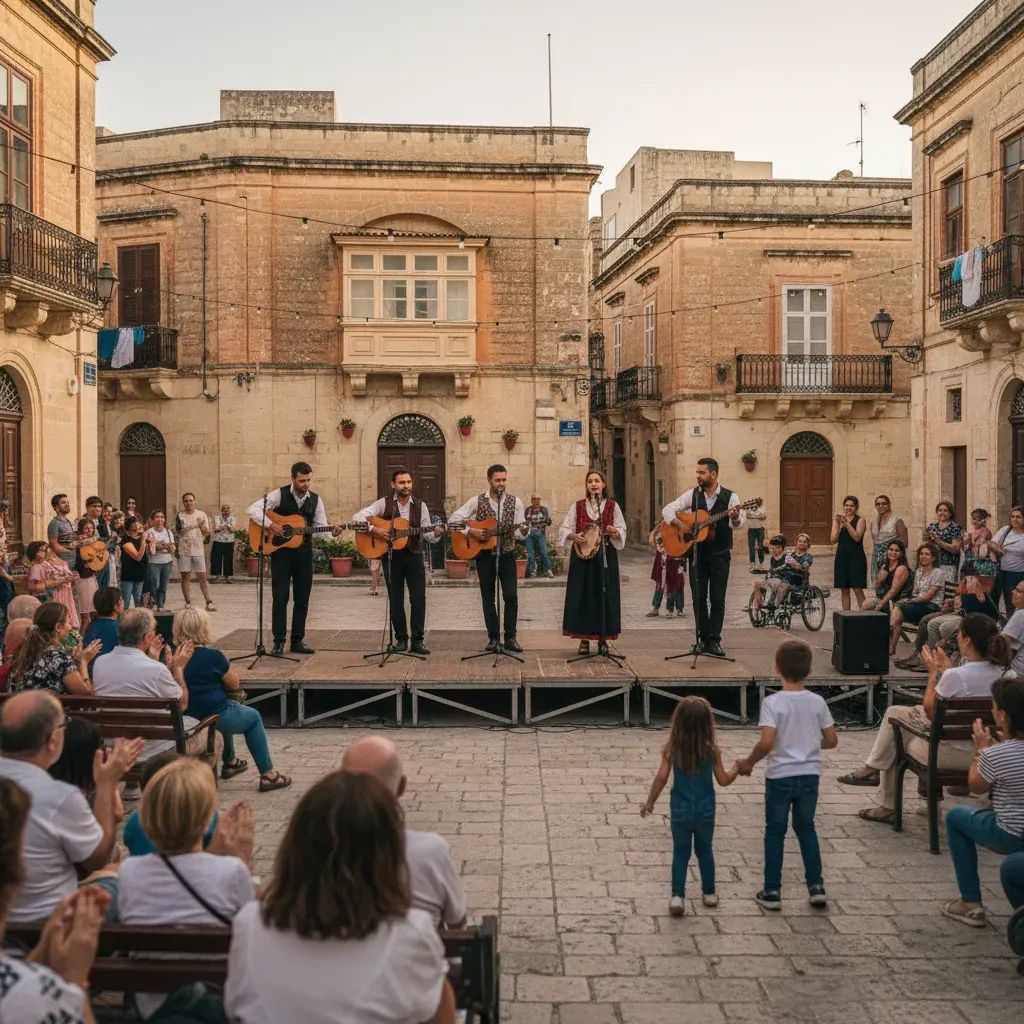
If you're a parent in Malta juggling the long summer break, Heritage Malta has just handed you a three-month safety net: the expanded Student Summer Programme opens the doors to 24 separate workshops across museums and archaeological sites for children and teenagers aged 6 to 14, effectively transforming what could be screen-dominated weeks into structured cultural learning—all free for families holding a Heritage Malta Student Passport.
Why This Matters
• Runs through mid-September, meaning the programme covers nearly the entire school holiday without forcing families into expensive private camps.
• Free entry for any student with a Heritage Malta passport (obtained at no cost through schools), plus complimentary access for two accompanying adults year-round.
• Activities capped at small group sizes—some workshops accommodate just 15 participants, ensuring children actually interact with instructors rather than sitting passively in rows.
• Spreads across both islands, so geography isn't a barrier; whether you're in Valletta or Xagħra, there's something accessible.
The Real Advantage: Breaking the Summer Stall
The core challenge every Maltese parent knows: three months of school closure, and after the initial excitement of unstructured time, boredom creeps in fast. Commercial summer schools demand €200 to €400 per week. Heritage Malta's offering sidesteps that entirely. A student passport costs nothing; the activities cost nothing. Parents get breathing room; children get structured, supervised engagement; nobody's wallet takes a hit.
The Chief Executive of Heritage Malta, Noel Zammit, explicitly pitched this programme as a counter to treating museums as static, adult-only spaces. The organisation has tracked significant youth engagement through free student passport schemes in recent years, reflecting real appetite for accessible cultural activities.
Where the Science Happens
The National Museum of Natural History has dedicated sessions to marine ecosystems, focusing on species increasingly visible (and occasionally problematic) in Maltese waters—jellyfish, lionfish, seasnails. Alongside that sits an extended exhibition on "Nature in Maltese Folklore," tying scientific knowledge to the cultural stories Maltese families have told for generations. It's not just "here's a skeleton of a fish," but rather "here's why your grandfather warned you about certain waters."
Over at Għar Dalam Cave and Museum, workshops zero in on botany and seed development, using the cave's unusual microclimate as a living lab for understanding plant growth. For younger participants specifically interested in archaeology's biological dimension, St Paul's Catacombs hosts sessions with a trained osteologist—a bone specialist—who walks children through how skeletal remains tell stories about disease, diet, and daily life in Roman Malta.
Art and Visual Narrative
MUŻA – The National Community Art Museum has structured three specialist tracks: egg tempera painting (the tempera method used before oil paints dominated European art), intaglio printmaking (carving into metal plates, then inking and pressing to create prints), and photography workshops. These aren't dumbed-down craft sessions; they're historically grounded techniques that show children how artists actually worked centuries ago.
At the Grand Master's Palace, curators have built sessions around portrait analysis—specifically, reading the symbolism packed into paintings of the island's historic rulers. Every detail mattered: the objects held, the colors worn, the background elements. Children learn to decode power, status, and identity through visual language. Meanwhile, at Fort St Elmo, separate workshops focus on heraldry and coats of arms, connecting symbols to Malta's military and aristocratic history.
Archaeology Beyond the Textbook
The Ħal Tarxien Prehistoric Complex opens up maritime archaeology—how did ancient Maltese communities navigate the Mediterranean? What evidence survives? Children examine this through artifacts and reconstructed scenarios. The Fortress Builders Interpretation Centre flips this around, displaying underwater finds recovered from Maltese coastal waters, tangible evidence of trade routes, shipwrecks, and cultural exchange dating back millennia.
Fort St Angelo leans into narrative: pirate tales, maritime sieges, and ghost stories connected to the fort's actual military history. It's entertainment with teeth—children leave knowing why this place mattered and how it was defended. Then there's Ggantija Archaeological Park in Gozo, where participants learn Neolithic pottery-making techniques, actually working clay using methods unchanged for 5,000 years.
Unexpected Workshop Angles
The Inquisitor's Palace veers into social history: workshops on traditional Maltese cuisine, specifically how families preserved and froze food before refrigeration existed, plus demonstrations of historical sewing methods. These aren't fluff; they're windows into practical daily life. At Fort St Elmo, Heritage Malta has embedded a World War II code-breaking challenge—essentially a cryptography puzzle built around actual historical ciphers—teaching encryption principles through context. Museum Bingo operates similarly: it's a structured scavenger hunt forcing careful observation of exhibits rather than passive wandering.
Access and Booking Reality
Participation requires the Heritage Malta Student Passport, which is available free through schools for children aged 6 to 14. Once obtained, the passport gives a student (plus two adults) year-round free entry to all Heritage Malta sites and museums—a benefit extending well beyond summer. That's material value, especially for families managing tight recreation budgets.
To book: Visit the Heritage Malta website or contact individual museum sites directly for registration details and workshop availability. Booking opens in advance, and spots fill quickly—particularly for specialized workshops. Heritage Malta caps sessions at 15 to 20 participants to maintain quality interaction. Given the 24-activity spread running from June 29 through September 14—an 11-week window—families who book early secure choice; those booking in late July or August may find availability clustered around less-popular time slots or locations.
Positioning Heritage as Lived Experience
This expansion signals a deliberate philosophical shift within Heritage Malta. Rather than positioning museums as repositories of artifacts for adults to admire passively, the organization is reframing heritage as something children do, make, and solve. International research on museum education confirms this works: tactile, project-based learning improves retention and fosters genuine, lasting interest in cultural subjects far more effectively than lectures or static displays.
The 24-activity programme is part of a broader calendar of over 200 events planned across 2026 by Heritage Malta—signaling ambition to embed the organisation into Maltese family life, not just position it as an occasional tourist destination.
For parents, the straightforward arithmetic: structured summer weeks without commercial camp fees, professional instructors leading real archaeological and artistic methods, sites across both Malta and Gozo, and kids coming home with actual skills—pottery they've thrown, codes they've cracked, historical narratives they've unpacked directly from artifacts and specialists.