Why This Matters
• Fewer crossings overall: Q1 2026 saw 9,579 ferry trips connecting Gozo to Malta—down 9% year-on-year, a notable reversal after a decade of consistent growth.
• Vehicle traffic eased slightly: Car and truck movements dropped 5.8% to 445,351, offering modest relief at Mġarr Harbour's gates during peak travel windows.
• The main route remained stable: The Mġarr–Ċirkewwa corridor actually gained foot passengers (+0.5%), suggesting commuters adapted rather than abandoned the crossing.
• Fast ferry hit hard: The Mġarr–Valletta express service fell 21% in trips, indicating passengers are reconsidering premium-priced alternatives as congestion eases.
First Quarter Snapshot: A Quieter Gozo Season
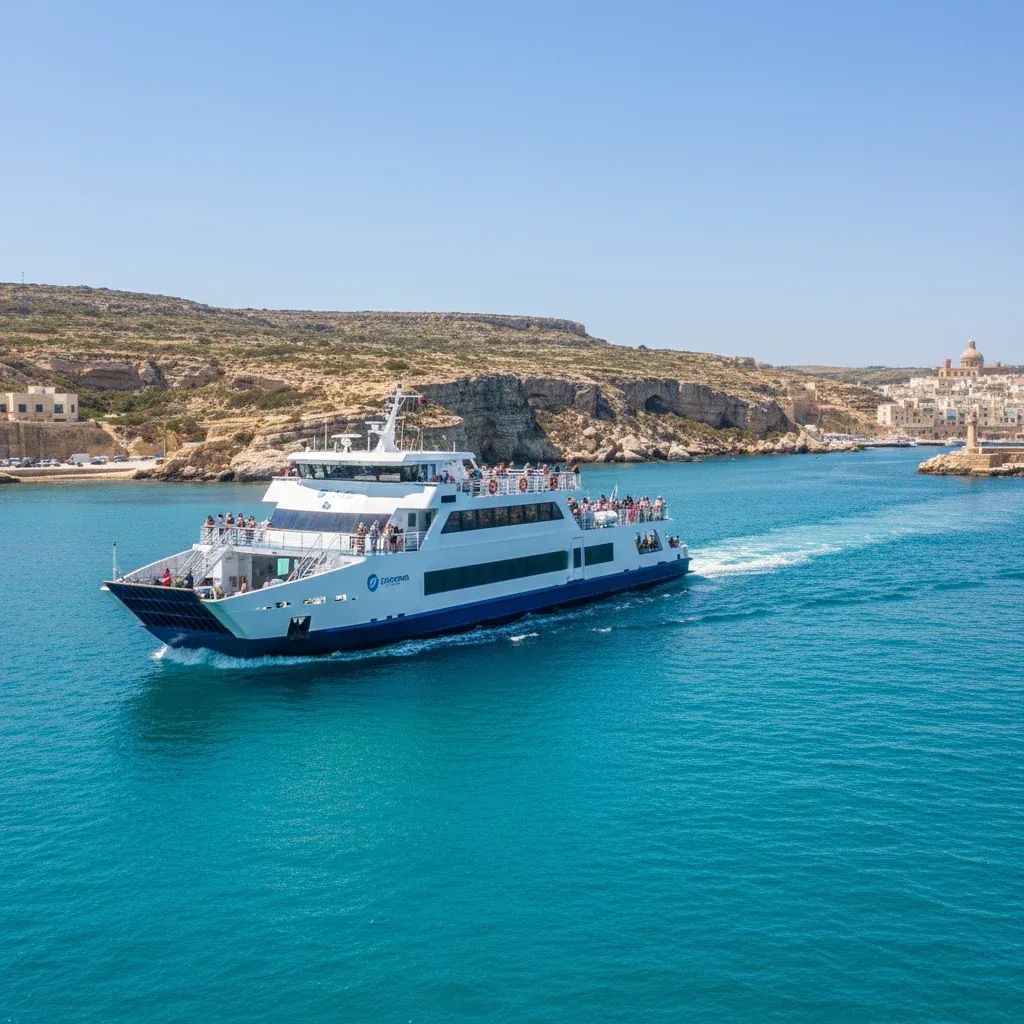
Between January and March 2026, the National Statistics Office released figures showing that inter-island ferry operations processed 1.51 M passengers across all routes—a decline of just 1.1% compared to the same quarter last year. The modest dip masks a more complex pattern: while vehicles shrank, foot traffic on the primary route actually edged upward.
March claimed dominance across all metrics, as expected. The month logged 3,678 total trips (nearly 38% of the quarter), driven partly by Easter holiday demand and the start of spring travel season. On the main Mġarr–Ċirkewwa link, March alone carried 517,824 passengers and recorded 2,956 trips, reinforcing the route's role as the island's maritime backbone.
Vehicle patterns revealed typical weekend rhythms. Outbound traffic from Gozo peaked on Sundays and Mondays, suggesting residents commuting to Malta or tourists heading out before week's end. Return traffic intensified on Fridays and Saturdays as the island prepared for leisure visitors and working-age commuters escaping the mainland for the weekend. The consistency of these patterns, year after year, underscores how ferry schedules have become woven into the rhythm of life for Gozitans and their business cycles.
The Main Route Holds Ground
The Mġarr–Ċirkewwa crossing, which handles roughly 87% of all inter-island passenger traffic, transported 1.32 M people in Q1 2026—a whisker above the prior year despite a modest 5.7% decline in trip counts and a 5.8% drop in vehicles. This asymmetry tells an important story: ferries ran fewer journeys but carried similar passenger loads, suggesting tighter scheduling and higher per-trip occupancy rates.
For Gozitans dependent on daily commuting, this stability matters. The route's resilience hints that Mġarr–Ċirkewwa demand remains fundamentally robust, even as broader factors trigger a temporary pullback elsewhere.
Express Service Struggles to Find Its Rhythm
The Mġarr–Valletta fast ferry, introduced as a premium option for foot passengers seeking faster connections to the capital, transported 190,350 passengers across 1,836 trips during the quarter—a steeper retreat than the main channel. The 21% decline in trips and 11.4% fall in passenger numbers suggest the express service has not yet solidified its market position.
March provided a bright spot: the service logged 722 trips (39% of the quarter) and 86,121 passengers (45% of the quarterly total), suggesting holiday periods and seasonal travel still drive its value proposition.
Relief at the Harbor, But Limited
For Mġarr Harbour operations staff, the 5.8% decline in vehicle movements offers tangible breathing room. Over recent years, the port has experienced increased vehicle crossings as Gozo's economy and tourism sector have grown. A modest dip in quarterly vehicle traffic may compress boarding queues and reduce waiting times—particularly on weekends, historically the busiest outbound period.
For freight operators and hospitality businesses relying on predictable port operations, even marginal improvements in efficiency translate to cost savings and operational stability.
However, the relief appears temporary in nature. With Gozo's population, resident workforce, and tourism activity continuing to develop, ongoing demand for ferry services remains strong. The island's infrastructure—ferry schedules, port facilities, and road capacity—will require continued attention to ensure efficient operations as travel patterns evolve.
Factors Behind the Q1 Decline
The Q1 decline likely reflects a combination of seasonal factors. Winter months traditionally see softer tourism as international visitors favor Mediterranean travel later in the year. Additionally, Easter and school holiday periods influence passenger volumes and trip distributions across quarters.
Economic conditions, operational costs, and tourism market dynamics may also contribute to travel patterns, though specific data on these factors is limited in the available statistics. When summer 2026 data emerge, clearer insight into whether Q1 represented a temporary seasonal lull or the beginning of a longer trend will become evident.
What's Next for Residents and Businesses
The Q1 contraction provides a snapshot of current ferry operations. For Gozitans, understanding these patterns helps anticipate peak and off-peak travel windows. Shorter queues and more predictable boarding times may characterize off-peak seasons going forward.
For businesses, the traffic moderation offers a planning reference point. Freight operators can use current patterns to optimize delivery schedules around busier traffic windows. Tourism operators can reference these trends when planning capacity and booking strategies.
The statistics demonstrate how ferry services continue to be central to Gozo's connectivity with Malta. Efficient port and service management remains essential as the island's population, tourism sector, and economic activity continue to develop. Future NSO data releases will provide additional clarity on emerging travel trends and whether Q1 2026 marks a shift in longer-term ferry usage patterns.