
The Malta Ministry for Gozo and Planning is facing renewed pressure to transition from administrative coordination to genuine regional authority. Proponents argue this shift is essential to address overdevelopment, infrastructure gridlock, and economic fragmentation threatening the island's long-term sustainability.
In May 2026, new constitutional reform proposals outline a phased approach that would grant Gozo's Regional Council far greater autonomy. These proposals have triggered significant debate among Malta residents about how the country's governance structure should balance central coordination with regional self-determination.
While a Gozo Regional Council has existed since 2011, the May 2026 framework goes further—proposing independent revenue streams, direct EU engagement, and binding legislative power over land use and environmental protection. The debate centers not on whether Gozo needs better governance, but whether Malta's centralized political structure can accommodate genuine regional autonomy while maintaining national cohesion.
Why This Matters for Malta Residents
• Constitutional entrenchment proposed for Gozo's regional status would make future governance changes harder to reverse or dilute through ministerial reshuffles.
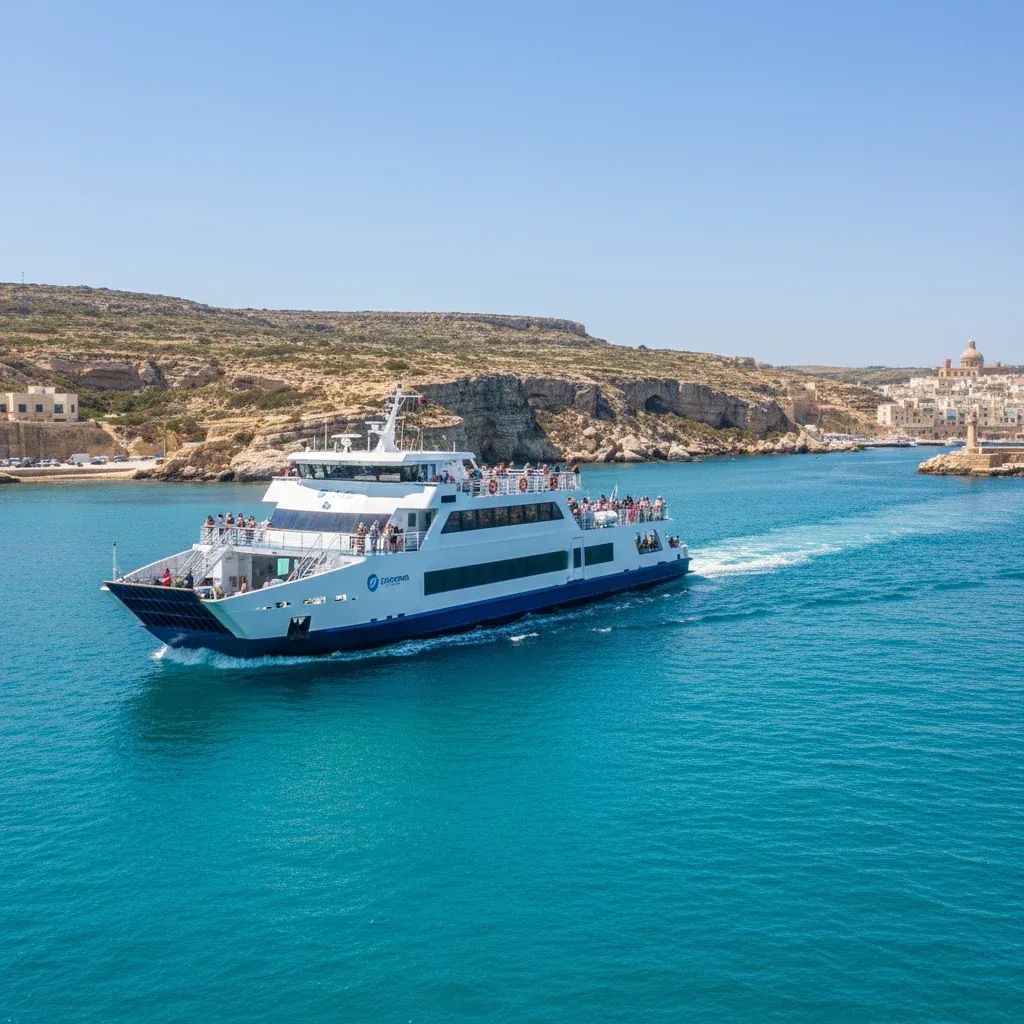
• Mġarr Harbour, Gozo's primary maritime gateway, is operating near capacity. Ferry expansion plans could worsen congestion—decisions currently made in Valletta (Malta's capital) without binding local input.
• Overdevelopment permits continue despite local opposition, highlighting the gap between consultative councils and executive power.
• A proposed Gozo Development Fund could reduce reliance on annual national budget allocations, enabling multi-year infrastructure projects independent of annual political cycles.
What This Means for Residents
For the approximately 32,000 people living in Gozo, the governance debate translates into immediate quality-of-life questions: Will the next construction project near your village require cumulative impact analysis? Can the island negotiate directly with ferry operators to manage Mġarr congestion, or must every decision route through Valletta? Will Gozo have dedicated revenue to expand mental health services and specialized clinics for its aging population, or remain dependent on annual budget politics?
The proposed constitutional reforms would not create an independent state but would embed regional authority into Malta's legal architecture, making future changes harder to reverse through ministerial reshuffles. An elected regional government would be accountable to Gozitan voters, not national party leadership, shifting political incentives toward long-term sustainability over short-term project announcements.
The Current Governance Structure
Gozo's administrative landscape involves multiple overlapping bodies: the Ministry for Gozo and Planning channels national funds and influences policy; the Gozo Regional Development Authority (GRDA), launched in 2020, conducts impact assessments and designs regional strategies; the Regional Council coordinates Gozo's 14 local councils; and a Parliamentary Committee for Gozo, established in 2016, provides legislative oversight. This mirrors Malta's broader system, where six regional councils exist across the country, but none possess significant executive authority.
Yet this multi-tiered structure operates largely without executive teeth. The Regional Council's budget depends entirely on fiscal transfers from Valletta. The GRDA can recommend policies but cannot enforce them. The Ministry itself functions as what critics call a layer of unnecessary duplication, holding responsibilities that overlap with other national ministries while lacking the authority to override them.
Mgr Joe Vella Gauci, a prominent Gozo-based ecclesiastical figure and community advocate, argues that this fragmentation produces short-term projects disconnected from any coherent long-term vision. Planning decisions affecting Gozo's landscape, heritage, and infrastructure are made by national agencies, often with delayed responses and misaligned priorities. Despite having parliamentary representation proportionate to its population, Gozo has never had a Gozitan Prime Minister, and key decisions about education, health, and land use remain centralized in the capital.
The Case for Regional Autonomy
Proponents of the 2026 reforms draw lessons from Mediterranean regions that have successfully balanced local autonomy with national cohesion. Croatia's Islands Act (2018) provides legal recognition of island specificities, supported by a Directorate for Islands and an Islands Council that coordinates national and local tiers. Italy's 2001 decentralization reforms granted regional authorities substantial powers over environmental policy, economic development, and EU program implementation, guided by subsidiarity principles—the idea that decisions should be made at the lowest competent level of government.
For Gozo, a similar model would involve constitutional recognition of its regional status, establishing an elected regional government with defined legislative powers over areas like sustainable tourism strategy, renewable energy development, and cumulative impact assessments for construction permits. This body would act as a coordinating mechanism, aligning national priorities with local realities while reducing the current overlap and confusion among ministries, authorities, and councils.
Arguments for Maintaining Central Control
However, critics of decentralization—particularly within national ministries and some central government officials—argue that Malta's small size presents unique challenges. With the entire country having roughly 520,000 residents and a single island economy, meaningful decentralization could create inefficiencies, duplicate administrative costs, and complicate national fiscal planning. They contend that Gozo is better served by a well-resourced national ministry dedicated to its interests rather than fragmented regional governance that might weaken central coordination on issues affecting both islands—such as energy infrastructure, national health policy, and EU relations. This perspective raises legitimate questions about whether regional autonomy could compromise economies of scale in a small nation-state.
The Revenue Question
Financial independence remains a central challenge. The Gozo Civic Council (1961-1973), an earlier attempt at self-government, possessed the legal power to raise taxes but never exercised it, relying instead on central funding. Today's Regional Council operates with limited finances, unable to fund multi-year capital projects or attract foreign investment independently.
Proposed solutions include creating a Gozo Development Fund financed through eco-taxes on high-impact tourism, digital economy levies, and public-private partnerships. This would provide predictable revenue streams for infrastructure improvements—particularly urgent for Mġarr Harbour, Gozo's gateway port, which handles all maritime traffic to the island and is operating near practical capacity due to increased passenger and vehicle flows. Further ferry expansion could worsen congestion without coordinated long-term planning that only an empowered regional authority could execute.
Overdevelopment and the Planning Authority Gap
The island's most visible governance failure is uncontrolled construction. Recent reports from 2025-2026 document controversial projects near areas of high landscape value, sometimes lacking necessary permits and encroaching on public spaces. A new permits commission established solely for Gozo has raised concerns about potentially facilitating rapid development without sufficient sustainability checks.
The core problem is that planning policies assess individual permits rather than cumulative impacts. A regional government with constitutional authority could enforce Gozo-specific environmental standards, requiring developers to demonstrate how projects align with long-term carrying capacity limits—a power the current Regional Council lacks.
Economic Diversification Beyond Tourism
While Gozo's economy has grown, it remains structurally narrow, heavily dependent on tourism and construction. The Gozo Regional Development Authority's strategy, launched in September 2023, identifies potential in positioning the island as a hub for blue and green economy initiatives, renewable energy research, and remote work incentives for knowledge-based industries.
Yet without fiscal autonomy or direct access to EU funding mechanisms, these proposals depend on national budget allocations that shift with political cycles. Autonomous European regions, by contrast, often manage EU cohesion funds directly and can negotiate with Brussels on regional development priorities—administrative capacities Gozo currently lacks.
The Mediterranean Context
Gozo's governance struggle mirrors broader Mediterranean debates about island autonomy. The Decentralized Administration of the Aegean in Greece exercises devolved state powers over urban planning and environmental policy across North and South Aegean islands. The Union for the Mediterranean promotes cross-border collaboration on sustainable development, with ministerial meetings providing political direction for regional initiatives.
The European Parliament has actively promoted macro-regional strategies to align Mediterranean island governance into coherent long-term frameworks, rather than fragmented national approaches. Initiatives like the REVIVE project co-design local business models with municipalities, economic actors, and residents to revitalize rural areas through sustainable agri-food production and eco-tourism—precisely the kind of integrated planning that requires stable, empowered regional institutions.
Implementation Timeline and Political Obstacles
The phased approach proposed in May 2026 would begin with legal and constitutional clarity about the Regional Council's status and powers, followed by gradual devolution of executive authority over specific policy areas. This avoids the political risk of immediate wholesale restructuring while establishing irreversible momentum toward genuine autonomy.
The primary obstacle remains resistance from national ministries accustomed to centralized control and the political calculation that empowering regional governments could set precedents for other localities seeking similar arrangements. This tension between administrative efficiency and local self-determination will likely dominate parliamentary debate as these proposals move forward.
The Longer Horizon
Whether Malta chooses to entrench Gozo's regional status constitutionally or maintain the current consultative structure will determine whether the island can address overdevelopment, infrastructure limits, and economic fragmentation through coherent long-term planning—or continue managing crises through reactive, centrally imposed solutions. The governance framework exists in Mediterranean precedents; the question facing Malta is whether political will exists to implement it.


