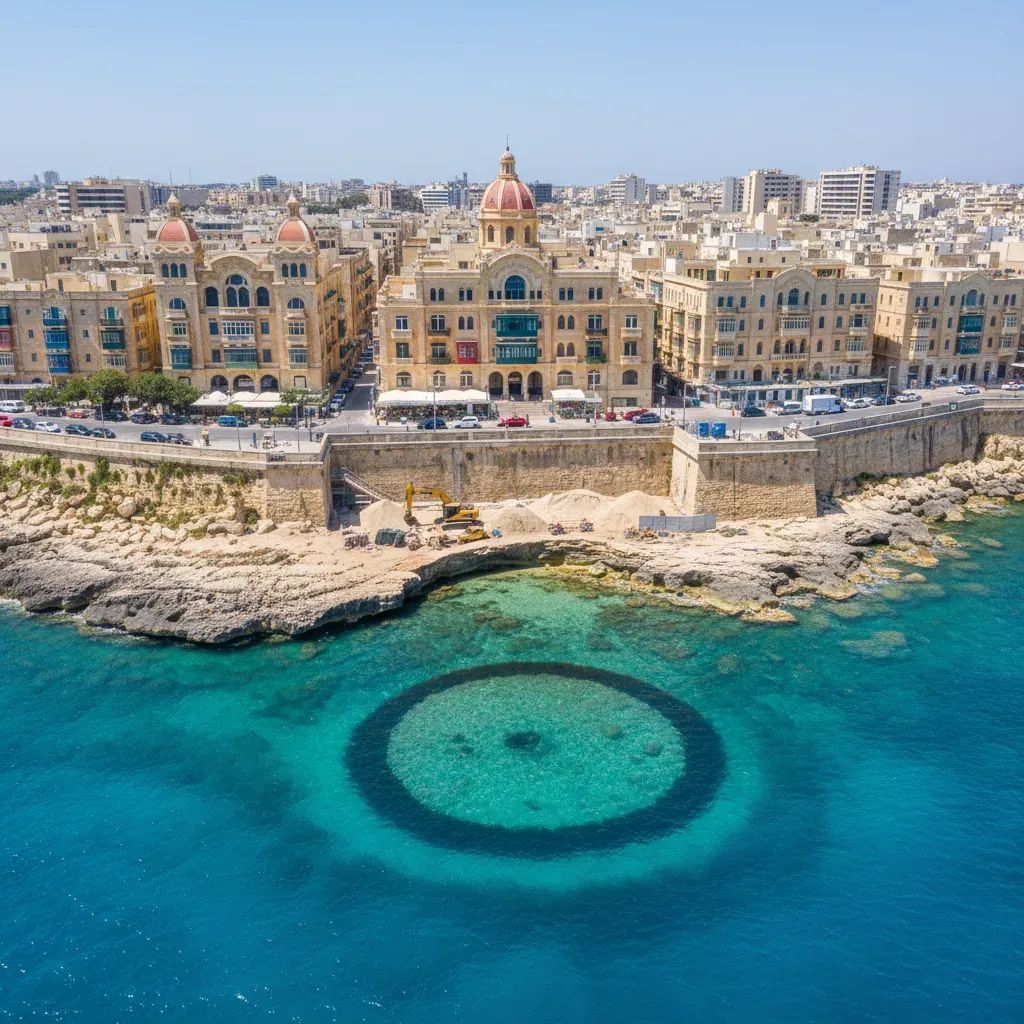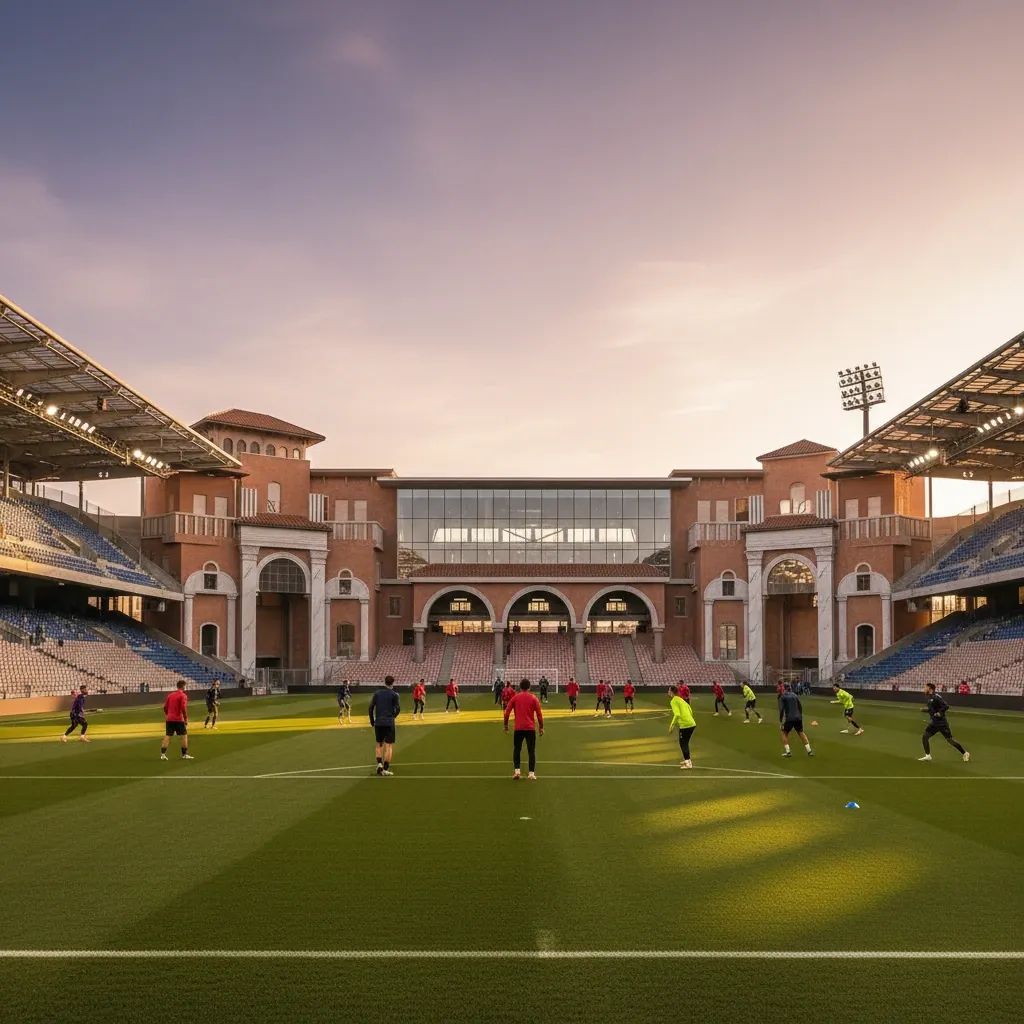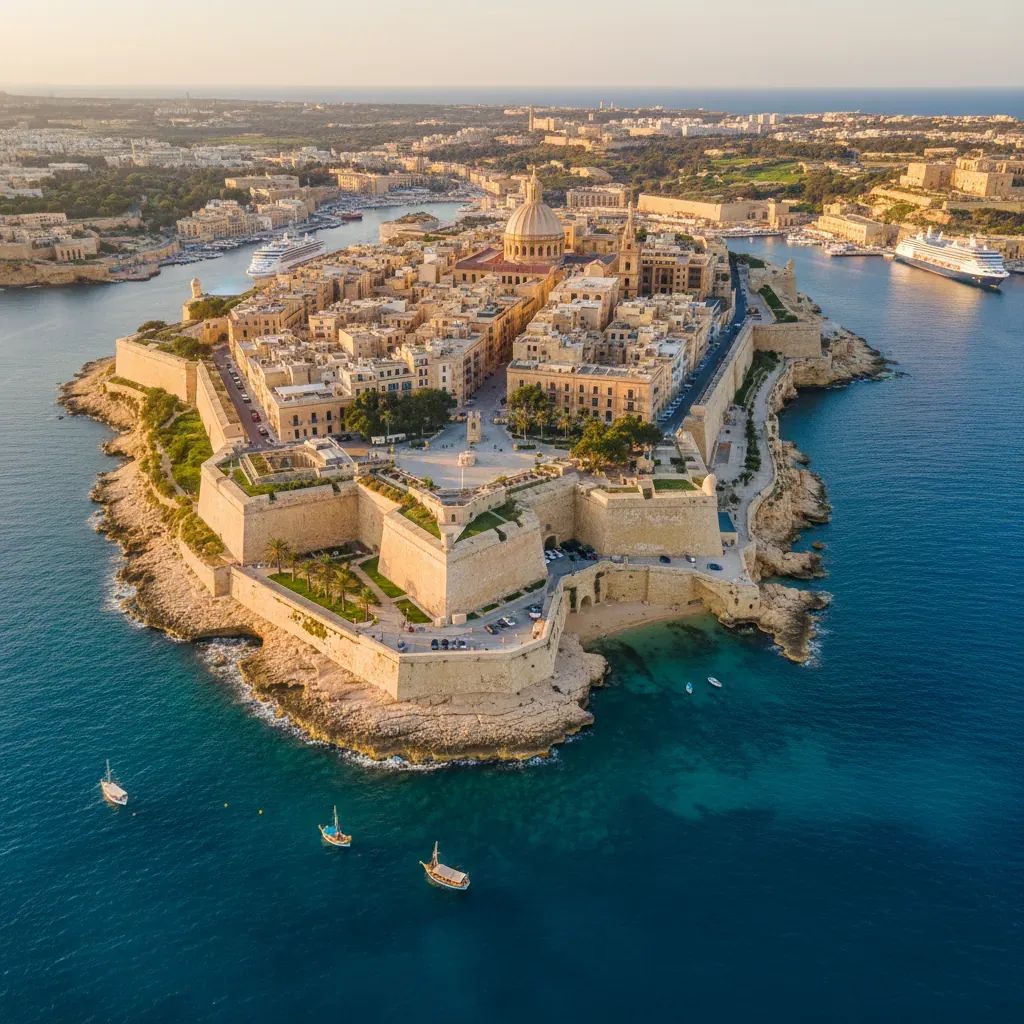
Gżira United FC has secured planning approval for 30 padel courts on Manoel Island, a move the club describes as essential to its financial survival after losing €10,000 in monthly revenue when the Malta Government terminated the MIDI concession agreement. The decision, approved by the Planning Authority on July 16, has ignited fierce debate over whether commercial sports infrastructure belongs on land earmarked to become a national park.
Why This Matters
• Financial lifeline: Gżira United FC faces "huge financial pressures" after MIDI's monthly payments ceased, pushing the club to commercialize its historic ground with padel facilities.
• Controversial approval: The PA sanctioned 20 illegally built courts and approved 10 additional ones, despite the site's planned conversion into public green space.
• €43M land deal: MIDI plc surrendered its 99-year lease on Manoel Island and Fort Tigné, with the government committing to a national park free of new development.
• Historical claim: Gżira United has occupied the Nicholl Ground site since 1976, but the courts project contradicts the island's intended public-access vision.
What Is Padel Tennis?
Before diving into the controversy, it's worth understanding why Gżira United chose this sport. Padel tennis is a racquet sport similar to tennis but played on a smaller, enclosed court with walls and a lower net. The sport has exploded in popularity across Europe, particularly in Spain and Italy, where it rivals tennis in recreational participation. For clubs and venues, padel generates strong revenue through court rentals, memberships, tournaments, and events—making it an attractive commercial venture for Gżira United seeking financial recovery.
The Revenue Crunch Behind the Courts
When MIDI plc relinquished control of Manoel Island, Gżira United FC lost more than a landlord. The club had been receiving €10,000 per month from MIDI under an arrangement that also promised construction of a full-size football pitch—a facility that never materialized. With that income stream abruptly cut off, the club's leadership, led by president Sharlon Pace, scrambled to find alternative revenue.
The solution was padel tennis. The club began constructing 20 courts on the 6,700 square meter Nicholl Ground site without securing planning permits, a move first flagged as illegal in March 2024. Despite the breach, construction continued, and the Planning Authority not only sanctioned the existing courts but also granted permission for 10 more. The club paid a €900 fine for the unauthorized work and committed €25,000 as a planning-gain contribution—penalties that critics argue are too modest for such a major development.
What This Means for Residents: Access and Timeline
One question central to residents' concerns: Will these courts be public or private? According to Gżira United's planning application, the padel courts will operate as a members-only facility with rental access for non-members at commercial rates. The club has not yet published specific pricing, but padel courts across Malta typically rent for €30–€50 per hour, making them accessible to residents seeking recreational options but not free public amenities.
Current access to Manoel Island remains limited while the national park plans are finalized. The government has committed to opening the island for public use once infrastructure improvements are complete, but a timeline for full public access has not been announced. The padel courts are expected to become operational within the coming months, and construction of the additional 10 courts is currently underway.
For residents seeking to use the courts or track developments, Gżira United has stated that more information will be available on the club's website once the facility is ready to receive members and bookings.
Understanding Malta's Planning Authority Structure
For those unfamiliar with Malta's governance, the Planning Authority is the government agency responsible for land-use decisions and development permits. Its board includes government appointees, independent experts, and—as in this case—representatives from environmental NGOs. This explains why Gżira Mayor Neville Chetcuti appears to have voted on the padel courts decision: mayors in Malta often serve as representatives on planning committees for projects affecting their localities, though this dual role has been controversial.
Moviment Graffitti and other environmental NGOs objected to the padel courts application through formal board representation. Notably, the sole dissenting vote came from the NGO representative, highlighting how the Planning Authority's structure allows environmental voices to be heard—even when outvoted.
What This Means for Manoel Island's Future
The approval places the Planning Authority at odds with the government's stated vision for Manoel Island. When the concession buyout was announced, officials emphasized that the island would become a national park prioritizing green and open spaces with no new development and full public access. Environmental groups have criticized the padel courts as a betrayal of that promise, arguing that commercial sports facilities undermine the public-good mandate.
The contradiction is stark: while the government paid €43M net (after VAT adjustments) to reclaim Manoel Island for public enjoyment, a football club has been permitted to expand commercial infrastructure on land that was supposed to remain undeveloped.
Enforcement Questions for Residents
A critical issue for residents accustomed to planning disputes: Is this enforcement approach typical in Malta? The €900 fine for illegal construction and €25,000 planning gain are considered modest penalties for a project of this scale. If developers and clubs can build first, pay modest fines, and retain profitable infrastructure, this raises questions about enforcement incentives.
For residents engaged in planning disputes or concerned about unauthorized construction in their neighborhoods, the padel courts case serves as a cautionary example. The penalty structure appears insufficient to deter similar violations, potentially setting a precedent that rewards rule-breaking with minimal financial consequences.
Gżira United's Historical Claim
Gżira United FC's connection to Manoel Island dates back to 1976, when the club established its presence on the Nicholl Ground. Over nearly five decades, the site has served as the club's home turf, giving the organization a strong historical claim even as the island's ownership and development plans shifted. Club officials argue that their longstanding presence justifies continued use of the land, particularly given the financial hardship caused by MIDI's exit and the government's lack of alternative compensation.
The padel courts, in this view, are not a land grab but a survival tactic. Without the monthly MIDI payments and with no replacement pitch, the club turned to a sport experiencing rapid growth across Malta and Europe. Padel generates revenue through court rentals, memberships, and events, offering Gżira United a path to financial stability that traditional football operations no longer provide.
The Broader Context: Football Club Finances in Malta
Gżira United's predicament reflects wider challenges facing Maltese football clubs, many of which operate on tight budgets and depend heavily on sponsorships, matchday revenue, and occasionally, government or developer support. The Malta Football Association has been pushing clubs to professionalize through the Sports Private Limited Liability Company (SPLLC) framework, which allows clubs to transition into commercial entities capable of attracting investment and diversifying income.
Other clubs have pursued youth academies, sponsorship deals, and community fundraising to shore up finances. Gżira United's pivot to padel represents a more aggressive commercialization strategy, one that leverages a valuable land asset but also risks alienating the public and environmental advocates who see Manoel Island as a rare opportunity for genuine open space in a densely developed region.
What Happens Next
The Planning Authority's approval does not end the controversy. Environmental groups are likely to continue pressing the government to honor its national park commitment, potentially challenging the padel courts through further appeals or public campaigns. The government has indicated that formal consultation on the national park masterplan will take place in the coming months, creating an opportunity for public feedback on how Manoel Island should develop.
For residents and visitors, the padel courts offer a new recreational option—but at a cost. The site occupies 6,700 square meters of prime waterfront land that could otherwise serve as public green space, walking paths, or natural habitat. Whether the club's financial survival outweighs the public interest in preserving Manoel Island as a national park is a question that divides opinion along lines of property rights, environmental priorities, and the role of private enterprise on public land.
The episode also raises questions about enforcement and planning discipline. If clubs, developers, or private entities can build first and seek forgiveness later—paying modest fines while retaining the profitable infrastructure—what incentive exists to follow the rules in the first place? For residents watching this case unfold, the outcome will signal whether Malta's planning system prioritizes legal compliance or pragmatic outcomes over strict adherence to rules.
The National Park Promise Under Pressure
The MIDI settlement was heralded as a win for public access and environmental conservation, a chance to reclaim one of Malta's most historically significant sites from decades of private control and stalled development. Fort Tigné and Manoel Island, with their bastions, fortifications, and waterfront views, have long been seen as underutilized assets that could serve both residents and tourists as open recreational spaces.
Yet the padel courts decision suggests that translating political promises into physical reality is fraught with complications. Gżira United's financial distress is genuine, and the club's historical ties to the island are undeniable. Balancing those claims against the broader public interest requires nuanced policymaking, not ad hoc planning approvals that reward illegal construction.
As the government moves forward with its national park plans—expected to include public consultations and a detailed masterplan in coming months—the fate of the padel courts will serve as an early test of its commitment. For residents eager to see Manoel Island developed as promised, the next steps will determine whether the national park vision becomes reality or remains an unfulfilled promise.