Why a Maltese Photographer in Tashkent Matters More Than You Might Think
A Maltese educator and photographer named John Charles Fenech has brought his visual record of Malta's urban transformation to the Academy of Arts in Tashkent, Uzbekistan. The choice of venue—nearly 5,000 kilometers from Valletta—may seem incongruous, but it arrives at a moment when Malta's rapid modernization has become a subject of international interest. What Fenech documents through his lens is the stark contrast between two versions of island life: the traditional Malta of village fiestas and historic architecture, and the contemporary Malta of high-rises, glass facades, and constant construction.
The Exhibition's Core Vision
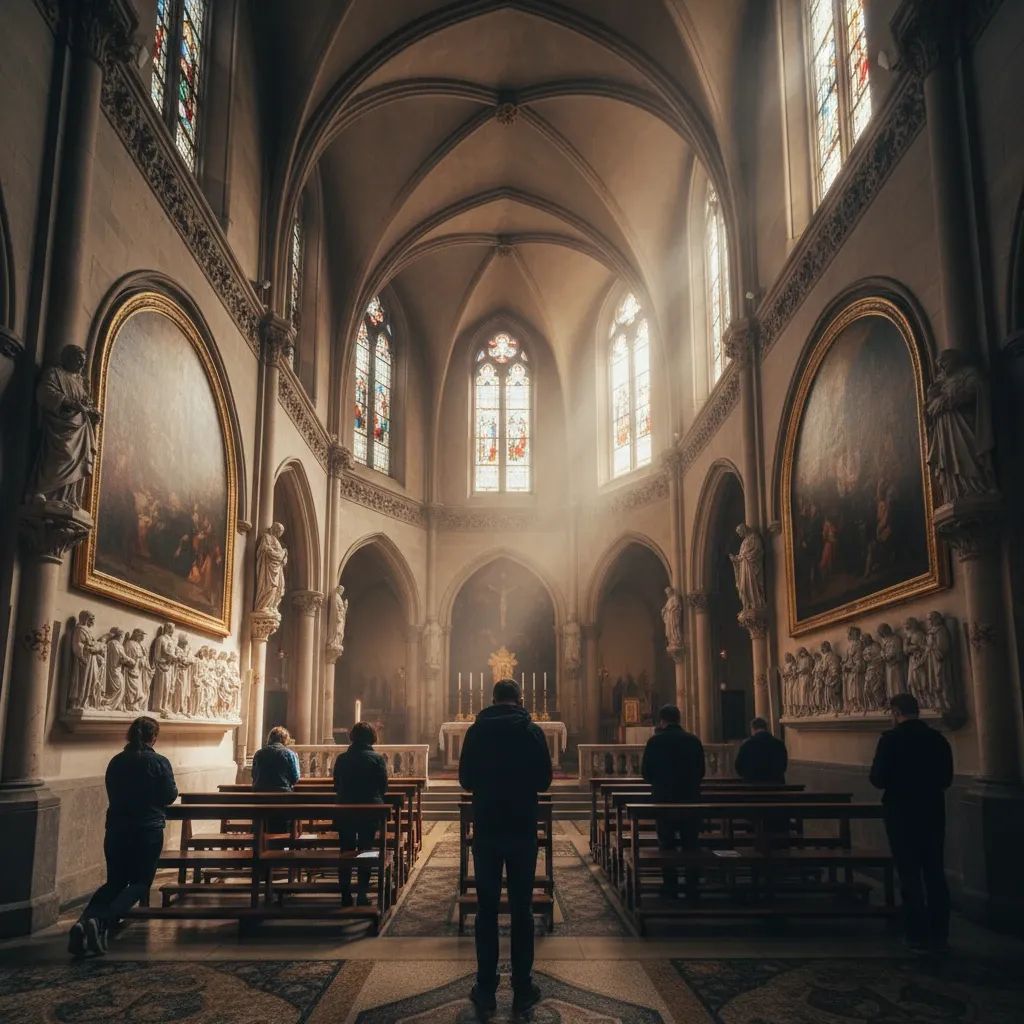
Fenech's photographic series juxtapose elements that feel increasingly distant from one another on an island of just 316 square kilometers. The traditional Maltese festa—those village celebrations anchored by centuries-old rituals, baroque church facades strung with crimson damask, brass bands, and ceremonial fireworks—represents a continuity rooted deep in Maltese cultural identity. These festivals express traditions that have persisted through centuries of foreign rule and now face the pressures of rapid modernization.
Then Fenech turns his camera toward Sliema and St Julian's, twin towns that have undergone dramatic transformation in recent decades. The landscape there now reads as distinctly contemporary: glass facades, international dining chains, luxury residential towers where the built environment has been entirely reshaped. This represents a commercial and residential epicenter that bears little resemblance to what existed just 15 years ago.
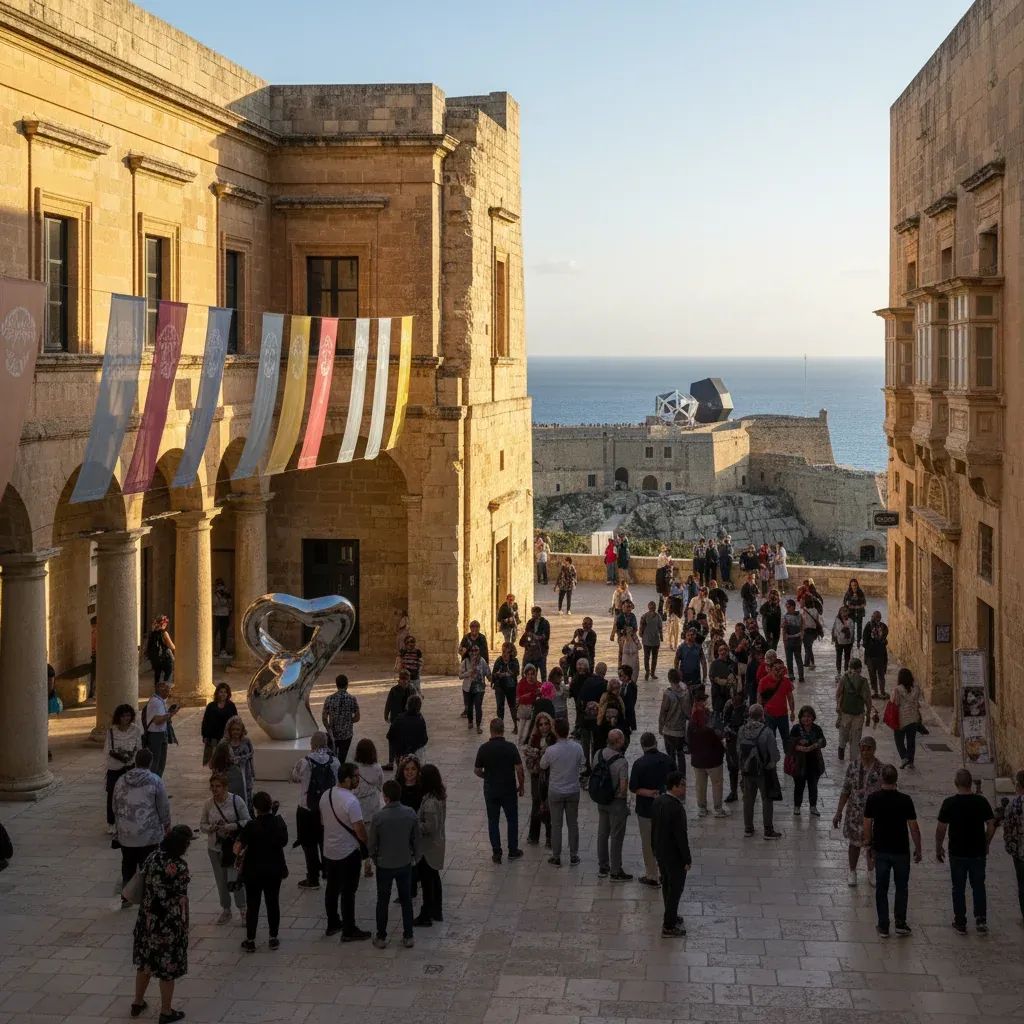
The photographer's vantage point—capturing these contrasts from Valletta's historic bastions—amplifies the sense of dislocation. A UNESCO-protected fortress city built by the Knights of St. John in the 16th century now overlooks a skyline transformed by construction and development. The symbolic weight is undeniable: the historic capital watches as the island's character shifts toward something fundamentally different.
Malta's Urban Growth in Context
Recent years have witnessed significant population and development changes across Malta. According to government statistics, the island has experienced substantial residential construction, with hundreds of thousands of new dwelling approvals over the past decade. Construction has accelerated across urban centers, reshaping neighborhoods and altering the visual character of towns like Sliema, Pembroke, and Paceville. Population density in developed areas has increased noticeably, placing strain on infrastructure from traffic to utilities.
This growth reflects broader economic trends: foreign investment in residential property, expansion of the financial services sector, and tourism development. However, these changes have also generated debate among residents about pace of development, preservation of green spaces, and whether rapid urbanization serves the interests of those actually living on the island.
Why Tashkent as an Exhibition Venue
Tashkent itself occupies a distinctive position in global urban geography. The city was largely rebuilt after an earthquake in 1966, creating a landscape where Soviet-era architecture coexists with restored Islamic heritage sites, where modern office towers stand alongside carefully preserved historic districts. It is a city navigating its own tensions between preservation and expansion, between economic development and historical authenticity.
By exhibiting Malta's transformation in Tashkent, Fenech engages in cross-cultural dialogue about modernization itself—the universal challenge that small nations face when balancing preservation against progress. The Uzbek audience, living in their own rapidly evolving city with competing pressures, recognizes this dilemma immediately.
Malta's Growing Role in International Contemporary Arts
Fenech's Tashkent exhibition reflects Malta's broader efforts to establish itself within international contemporary arts discourse. The Malta Biennale has positioned historical sites across Malta and Gozo as exhibition venues, attracting international artists and curators. The Malta International Contemporary Art Space (MICAS) opened in October 2024 and has already hosted significant international exhibitions. Malta maintains its presence at the Venice Biennale with work exploring themes of heritage and contemporary identity.
These platforms demonstrate Malta's commitment to using contemporary art as a lens through which to examine its own cultural identity and rapid social changes.
The Question Fenech's Work Raises
For residents living through Malta's transformation daily, Fenech's photographs offer both validation and discomfort. They visually confirm what many experience: that Malta is changing rapidly, that economic growth and cultural continuity present genuine tensions, and that the island's distinctive character faces pressure from real estate development and tourism-focused economic models.
Government policy embraces expansion as both inevitable and desirable, proposing various infrastructure and development initiatives to accommodate growth. Yet residents frequently express concern about congestion, environmental impacts, and whether neighborhoods are changing faster than communities can meaningfully adapt.
Fenech's exhibition, witnessed from thousands of kilometers away in Central Asia, offers an opportunity to view Malta with fresh perspective—to see the island as it actually is, not as tourism marketing presents it. His work forces a conversation about what rapid modernization means for a small Mediterranean nation with deep historical roots.
Whether Malta's current trajectory can be sustained while preserving what makes the island culturally distinctive remains an open question. What is clear is that Fenech's lens has ensured this conversation—the real one, not the sanitized political version—is now being heard far beyond the island itself. Sometimes distance provides the clarity to recognize what is at stake.