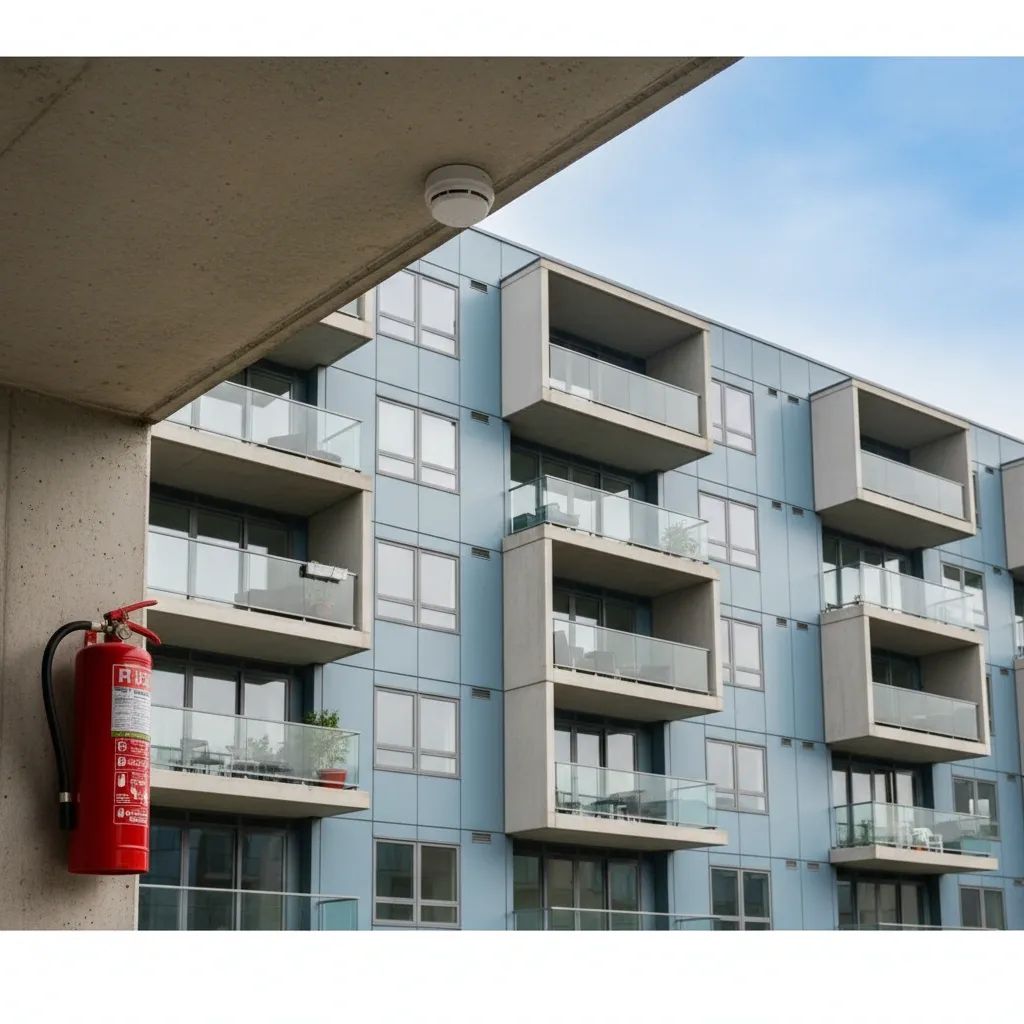
Public Buildings in Malta Now Under Real-Time Resource Monitor
Starting this year, every government building in Malta is being linked to a new digital system that records exactly how much electricity, water and fuel it uses. The EcoTrack platform, run by the Climate Action Authority, is now active across ministries, schools, health centres and municipal offices — marking the first time the entire public sector has a single, live view of its resource consumption.
The system tracks three key areas: daily power draw in public buildings, litres of water consumed, and fuel usage by the state vehicle fleet. Data flows automatically from meters and fuel cards, eliminating manual reporting and reducing errors.
Entities that tested the system in early 2026 have already used its tools to pinpoint underperforming facilities. For example, school buildings with outdated lighting or leaking pipes were flagged for upgrades — a process that could cut utility bills within months.
While the government has not released targeted savings figures for 2027, officials stress that the goal is to free up budget space. Savings from lower energy and water bills can be redirected into other public services, such as staffing or maintenance, without needing new funding.
How This Changes Daily Operations in Public Services
Before EcoTrack, departments relied on scattered invoices, delayed audits and rough estimates. Now, facility managers can compare their building’s performance directly with similar ones. A health centre in Valletta can see if it’s using more water than a comparable clinic in Msida — and why. This transparent benchmarking helps identify inefficiencies no one noticed before.
The platform doesn’t just measure consumption; it alerts staff to anomalies. A spike in overnight electricity use might indicate a faulty appliance. A drop in water pressure could signal a hidden leak. These are no longer waiting for annual inspections — they’re caught in real time.
A Regional Trend With Local Impact
Malta’s move mirrors EU-wide shifts. Countries like the Netherlands and Germany have long used digital dashboards to meet EU energy efficiency targets, but few have implemented a system as comprehensive and centrally managed across all public assets. Belgium’s IoT-enabled water leak detection in Mons, and Boston’s building reporting rules, are comparable — but Malta’s rollout is broader, covering fuel, water and power in one integrated system.
The trend isn’t about building anew — it’s about optimising what already exists. Smart retrofits, automated controls and data-driven scheduling allow public buildings to function more efficiently without major reconstruction. This means better comfort for staff and visitors, lower emissions and less strain on national resources.
What Comes Next
By December 2026, full integration is expected. All government departments must submit verified data, and public reports on overall savings will begin appearing early next year. Residents won’t see immediate changes on their utility bills, but the system’s long-term aim is clear: make the public sector a model of efficiency — and by doing so, reduce the tax burden indirectly through smarter spending.
The Climate Action Authority has not confirmed future expansion beyond public buildings — but if the pilot phase proves successful, the platform could one day support community centres, local councils and even state-run housing.
For now, the simple truth is this: the Maltese public sector no longer guesses how much it uses. It measures. And from that, action follows.